Keep up to date with our latest company news and relevant industry knowledge.
Time: 2026-05-27 07:31:35 Source: Henan Province Jianyun Cable Co., Ltd.
Author: Jianyun Cable
Control cable is a critical component in modern industrial automation and electrical control systems. It is widely used for transmitting control signals, monitoring equipment, and connecting machinery, sensors, instruments, and automation systems. In industrial environments, reliable signal transmission is essential for maintaining operational safety, efficiency, and system stability.
Unlike standard power cables that mainly transmit electrical energy, control cable is designed for low-voltage control circuits and signal applications. These cables are commonly installed in control panels, industrial equipment, automation lines, substations, and communication systems.
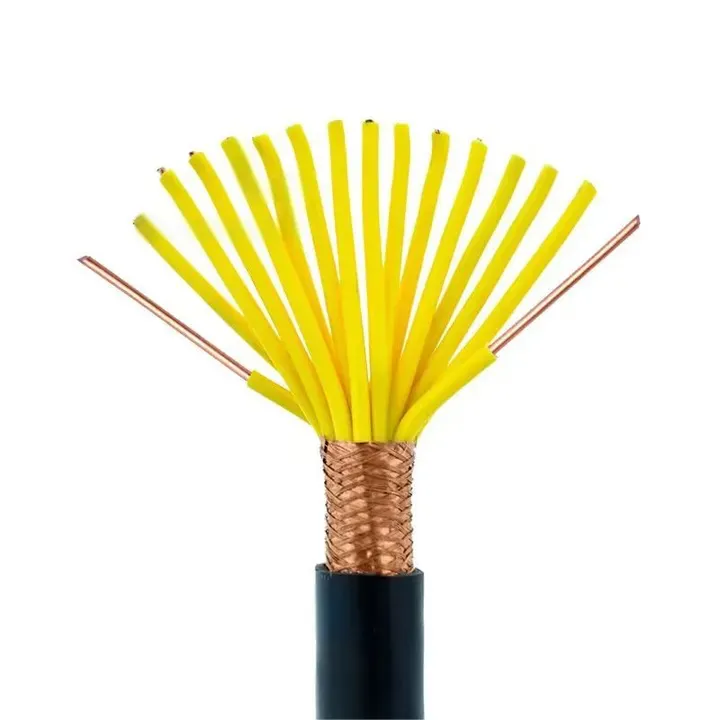
Jianyun Cable manufactures professional 450/750V Shielded Copper Control Cablesolutions for industrial and automation applications. This guide explains what control cable is, its construction, advantages, applications, and how to choose the right cable for your project.
Control cable is a type of electrical cable designed for transmitting control signals or controlling the operation of machinery, equipment, and automation systems. These cables are engineered to ensure stable low-voltage signal transmission where reliable system control is required.
Most control cables use copper conductors because of their excellent conductivity and flexibility. Depending on the installation environment, the cable may include shielding, armoring, flame-retardant materials, or flexible conductor structures.
Jianyun Cable’s control cable products include KVV, KVVP, KVVP2, KVV22, KVVR, and flame-retardant variants suitable for fixed and flexible industrial installations.
Control cable commonly uses stranded copper conductors because copper provides stable electrical conductivity and flexibility. Stranded conductors are especially useful where vibration or movement may occur.
Flexible copper structures also simplify installation in control cabinets and industrial wiring systems.
Insulation materials such as PVC or XLPE prevent electrical leakage and short circuits. PVC insulation is commonly used for general industrial control applications because of its practical balance of flexibility, durability, and cost efficiency.
XLPE insulation may be selected for applications requiring higher temperature performance and improved electrical characteristics.
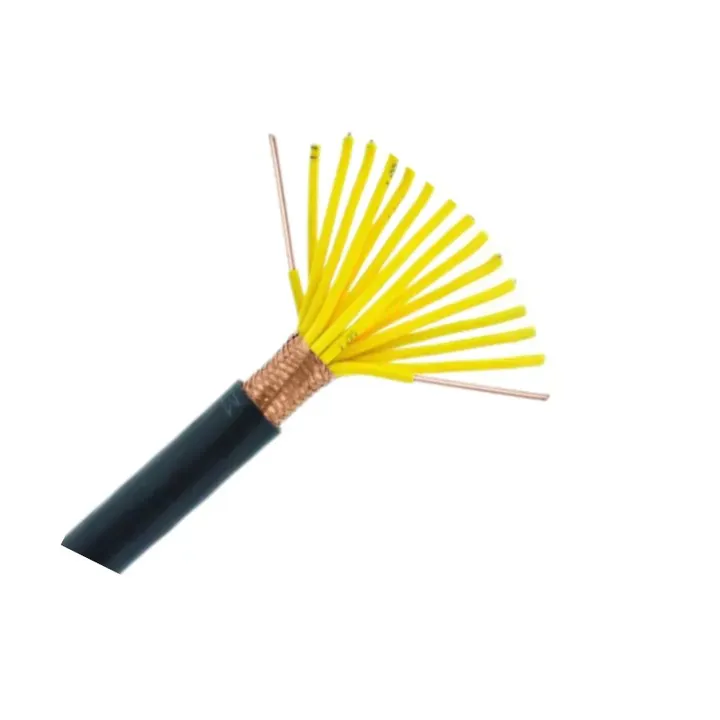
Shielded control cable includes copper braid or copper tape shielding to reduce electromagnetic interference (EMI). This is especially important for signal transmission and sensitive automation systems.
Shielding helps maintain signal accuracy and stable communication between equipment.
The outer sheath protects the cable from abrasion, moisture, oil, chemicals, and environmental damage during installation and operation.
PVC sheathing is commonly used in industrial control cable because it offers mechanical protection and installation flexibility.
Control cable is designed to support stable low-voltage signal transmission between equipment, control panels, and automation systems.
Reliable signal transmission helps maintain safe and efficient industrial operations.
Flexible control cable structures are suitable for applications involving movement, vibration, or complex routing requirements.
This simplifies installation and reduces stress during operation.
Shielded control cables reduce electromagnetic interference from nearby power systems, motors, and industrial equipment.
This improves signal integrity in automation and instrumentation systems.
Control cable is compatible with industrial automation systems, machine tools, instrumentation equipment, process control systems, and electrical control panels.
High-quality insulation and protective sheath materials help control cable operate reliably for long periods in industrial environments.
Control cable is widely used across industrial and infrastructure sectors:
Different applications may require flexible, shielded, armored, or flame-retardant cable structures depending on operational conditions.
Shielded control cable uses copper braid or copper tape shielding to reduce EMI and protect signal quality. It is commonly used in instrumentation and automation systems.
Flexible control cable uses fine-stranded conductors for applications involving movement or repeated bending. These cables are suitable for movable industrial equipment and machinery.
Armored control cable includes steel tape or wire protection for underground installations or environments with higher mechanical stress. :contentReference[oaicite:8]{index=8}
Flame-retardant control cable is designed to reduce flame spread in industrial facilities and safety-critical applications. :contentReference[oaicite:9]{index=9}
Most industrial control cable systems operate at 450/750V or similar low-voltage ranges. The cable rating must match system requirements.
For environments with electrical interference, shielded control cable is recommended to protect signal quality.
Underground installations, moving machinery, outdoor environments, or industrial facilities may require armored, flexible, or oil-resistant cable structures.
Jianyun Cable control cables are manufactured according to standards such as GB/T 9330-2008 and IEC 60502-1 with certifications including CCC and ISO9001.
Main product recommendation:
450/750V Shielded Copper Control Cable
Additional related products:
Related technical article:
Jianyun Cable is a professional cable manufacturer specializing in control cable, power cable, solar cable, electric wire, aerial bundled cable, and industrial cable solutions.
The company provides products manufactured according to international standards with stable quality control and technical support for industrial automation and infrastructure projects worldwide.
Its control cable products are designed for signal stability, industrial reliability, and long-term operational safety.
Control cable is essential for industrial automation, machinery control, instrumentation, and signal transmission systems. With copper conductors, PVC or XLPE insulation, shielding options, and flexible structures, modern control cable systems support reliable industrial operation and efficient automation control.
Choosing the correct control cable improves signal stability, installation reliability, and long-term system performance.
Request a quote today: Get Control Cable from Jianyun Cable
Control cable is used for transmitting control signals and connecting automation systems, machinery, instruments, and industrial control equipment.
Shielded control cable helps reduce electromagnetic interference and protects signal quality in industrial automation systems.
Flexible control cable is designed for movement and bending applications, while armored control cable provides additional mechanical protection for harsh environments and underground installation.
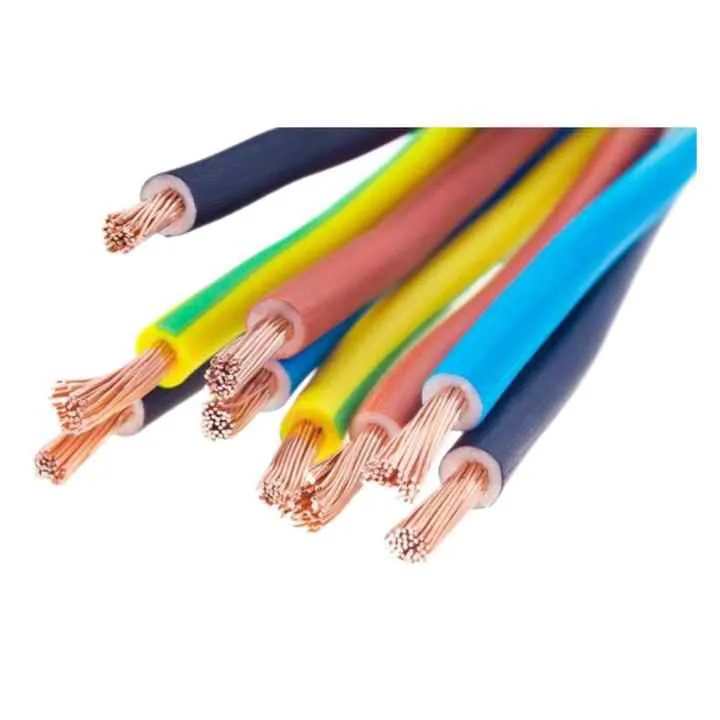
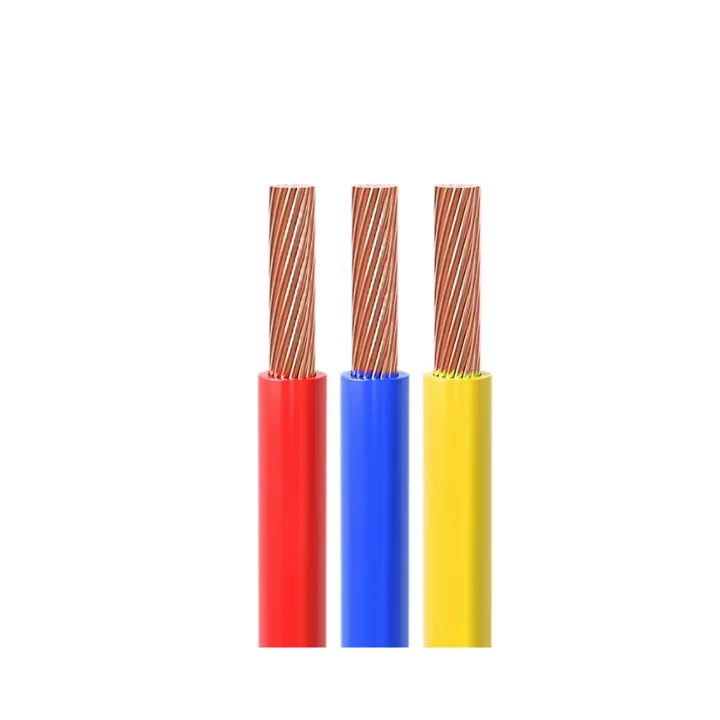
Flexible copper electrical wire with stranded copper conductor, PVC insulation a
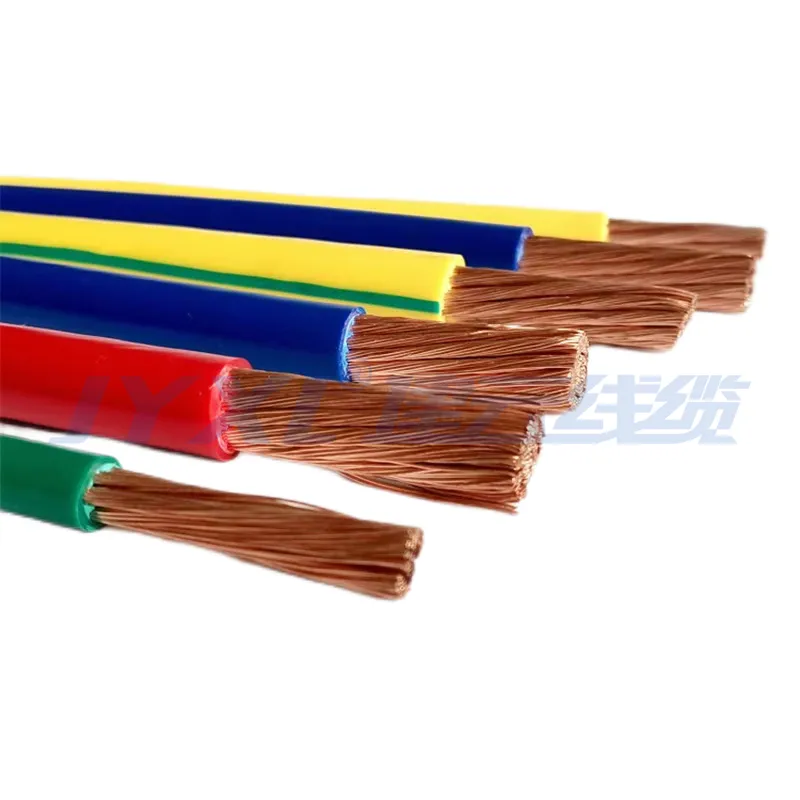
H07V-K flexible electrical wire with 1.5mm² and 2.5mm² stranded copper conductor
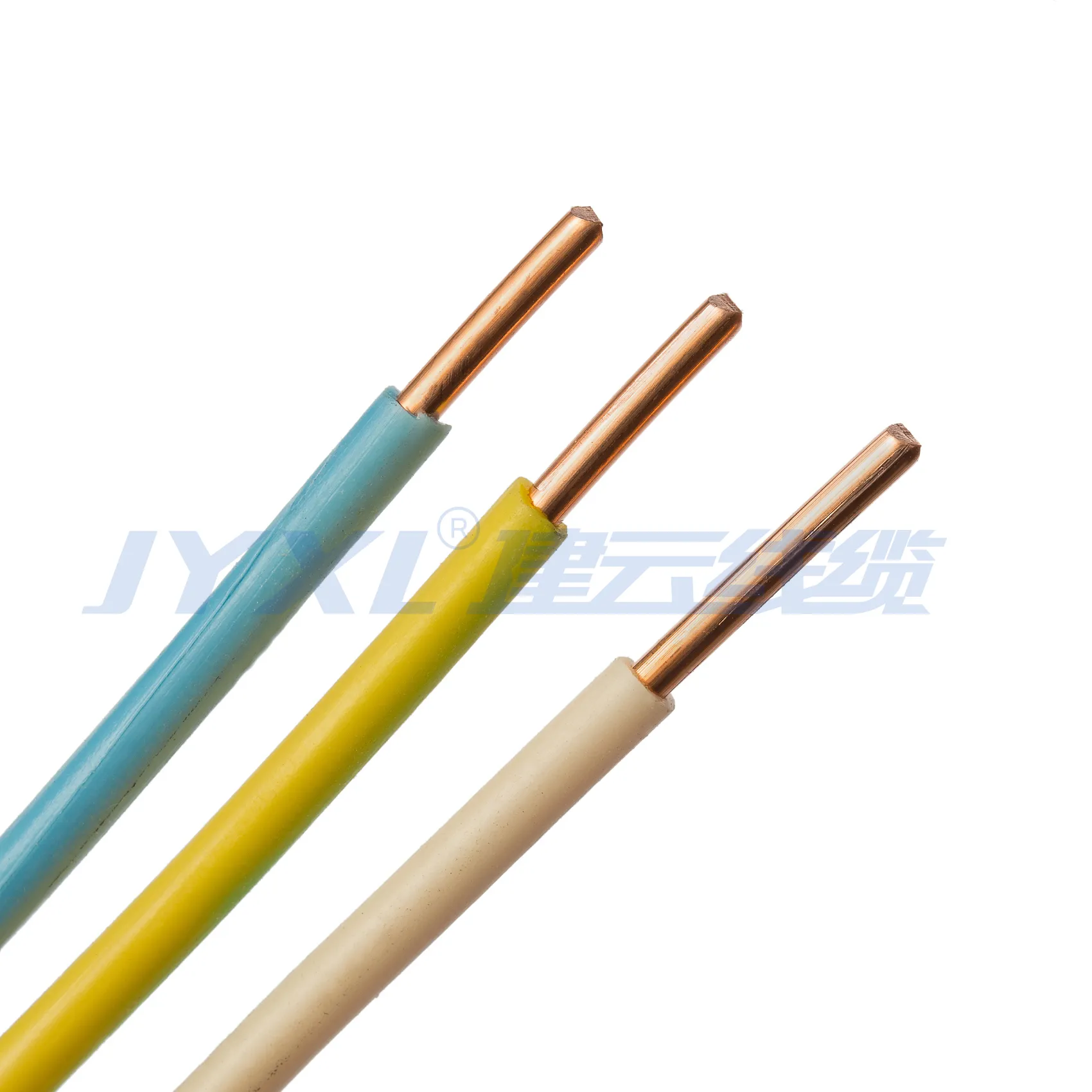
Jianyun H07V-U Solid Copper PVC Wire is a single core rigid electrical wire manu
CE Certification 450/750v H07VVF Flexible Copper PVC Insulated Ac Cable 3*2.5 Mm