Keep up to date with our latest company news and relevant industry knowledge.
Time: 2026-05-31 15:26:40 Source: Henan Province Jianyun Cable Co., Ltd.
Author: Jianyun Cable
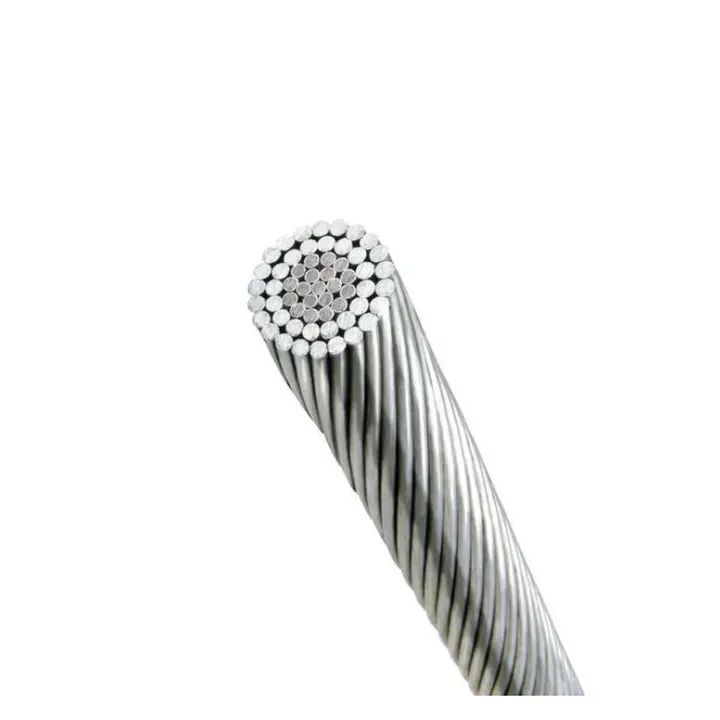
Bare cable is a fundamental conductor type used in overhead power transmission and distribution systems worldwide. Unlike insulated cables, bare cable has no external jacket, relying on air as the insulating medium. This design makes it cost‑effective, lightweight, and highly efficient for large‑scale electrical networks.
For utility engineers, system designers, and electrical contractors, selecting the right bare cable impacts line performance, reliability, long‑term maintenance, and overall system safety. Bare conductors remain the preferred choice for many grid systems because they balance electrical conductivity with mechanical strength.
Jianyun Cable offers the Bare Conductor designed for overhead transmission, distribution, substation connections, grounding, and utility infrastructure applications. This guide explains the structure, benefits, applications, and selection criteria for bare cable systems.
Bare cable, also referred to as a bare conductor, is an electrical conductor without external insulation. These cables are typically installed on poles, towers, and overhead structures where natural air and spacing act as insulation between conductors and the environment.
Bare conductors are commonly made from aluminum, aluminum alloy, or copper, depending on conductivity, weight, mechanical strength, and cost considerations.
The overhead installation approach allows bare cable to operate in open air, supporting widespread power transmission and distribution networks. It is important to select conductors that meet both electrical and mechanical requirements for the specific application.
All Aluminium Conductor (AAC) uses pure aluminum strands, providing excellent electrical conductivity and corrosion resistance. It is generally used for short spans and low mechanical load conditions.
ACSR combines stranded aluminum with a steel core, offering both good electrical conductivity and high tensile strength. This makes it suitable for long spans, heavy loads, and challenging terrain. Jianyun Cable’s ACSR products follow international standards for overhead power transmission applications.
AAAC uses aluminum alloy strands to provide improved mechanical strength and corrosion resistance compared with AAC, while maintaining good electrical performance.
Bare cable conductors made of aluminum and copper provide low electrical resistance, allowing efficient current transmission over long distances. This reduces energy losses in overhead systems.
Because bare cable does not include insulation materials, it is generally more economical than insulated cable for large‑scale overhead networks. It reduces material costs while maintaining reliable performance.
The absence of insulation allows heat to dissipate more efficiently into the open air. This helps maintain conductor temperature stability during high load conditions.
Conductors such as ACSR have high tensile strength due to their steel core, making them suitable for long spans, heavy wind loads, and difficult geographic conditions.
When properly installed and maintained, bare cable conductors can provide decades of reliable operation in utility and industrial environments.
Bare cable is widely used across utility and infrastructure sectors:
Its versatility and performance make bare cable a core component of modern power systems.
| Feature | Bare Cable | Insulated Cable |
|---|---|---|
| Insulation | No | Yes |
| Installation Type | Overhead | Underground / Indoor |
| Cost | Lower | Higher |
| Heat Dissipation | Better | Moderate |
| Mechanical Protection | Depends on conductor type | Provided by sheath |
| Typical Use | Utility networks | Building and buried systems |
Select the bare cable conductor size based on operating voltage, current carrying needs, and expected loading conditions.
Consider span distance, wind loading, ice accumulation, and terrain challenges when selecting conductor type and strength.
Rural, coastal, or industrial environments may require conductors with enhanced corrosion resistance, such as AAAC.
Ensure that the bare cable conductor meets applicable regional or international standards for power systems and utility networks.
Main product recommendation:
Bare Conductor for Overhead Power Systems
Additional related products:
Related article for deeper reading:
Jianyun Cable is a professional cable manufacturer specializing in bare conductors, power cables, solar cables, rubber cables, control cables, and electric wires. The company offers products manufactured to international quality standards with reliable performance and technical support for utility and industrial projects worldwide.
Jianyun Cable’s bare cable range supports various conductor types such as AAC, AAAC, and ACSR to match different mechanical and electrical requirements.
Bare cable is an essential conductor type in overhead transmission and distribution networks. Its efficient conductivity, mechanical performance, cost effectiveness, and long service life make it a preferred choice in utility systems, infrastructure projects, and industrial power networks.
Selecting the right bare cable enhances system reliability, reduces maintenance needs, and supports stable long‑term electrical operation across diverse environments.
Request a quote today: Get Bare Cable from Jianyun Cable
Bare cable is used for overhead transmission lines, distribution networks, substations, grounding systems, and rural electrification projects.
Bare cable provides cost‑effective conductivity, efficient heat dissipation, and strong mechanical performance for overhead power networks.
Common conductor types include AAC, AAAC, and ACSR, each offering different balances of conductivity, strength, and corrosion resistance.
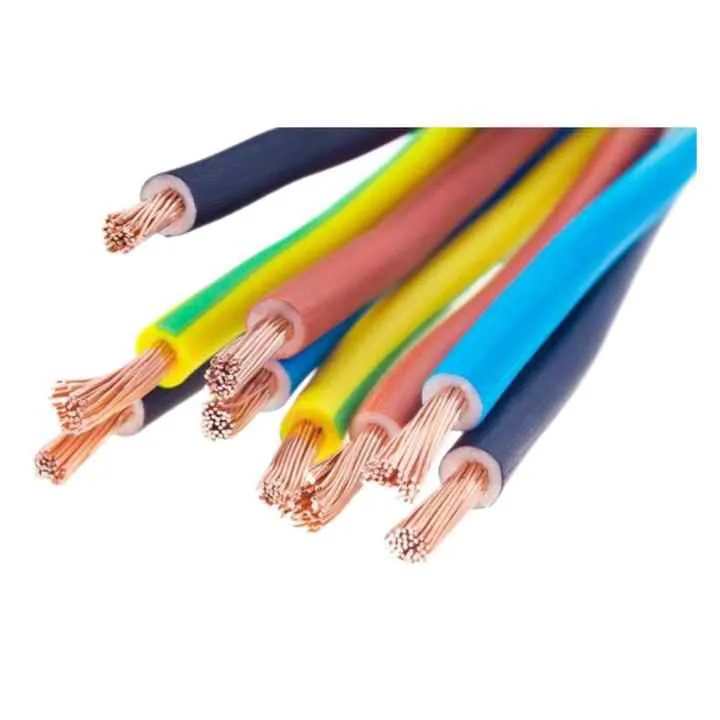
Flexible copper electrical wire with stranded copper conductor, PVC insulation a
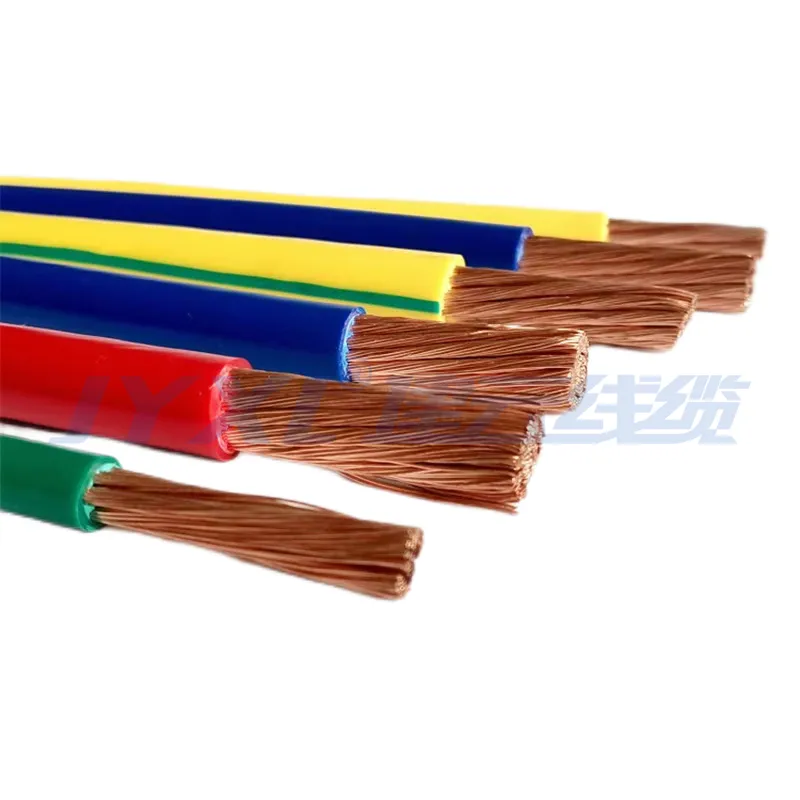
H07V-K flexible electrical wire with 1.5mm² and 2.5mm² stranded copper conductor
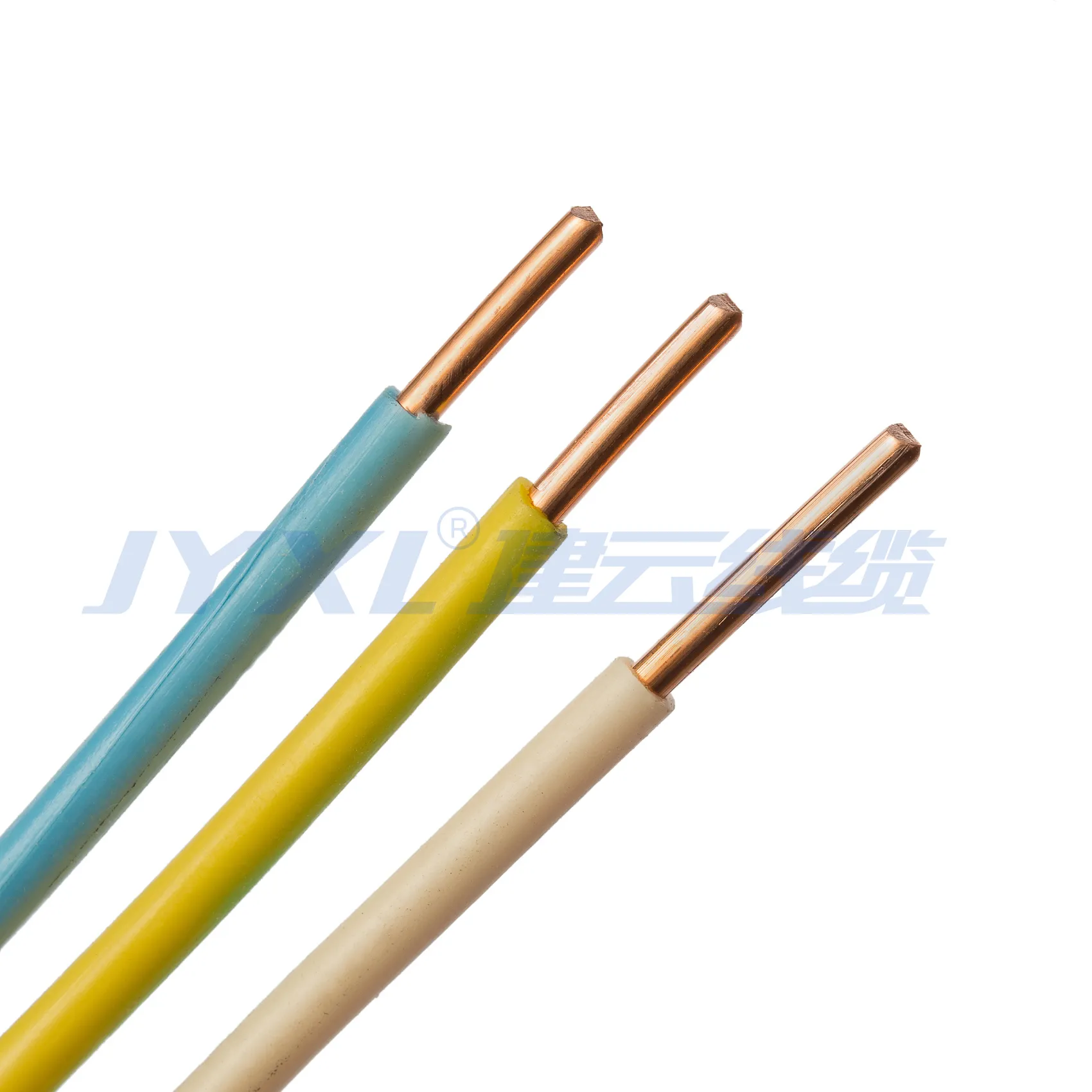
Jianyun H07V-U Solid Copper PVC Wire is a single core rigid electrical wire manu
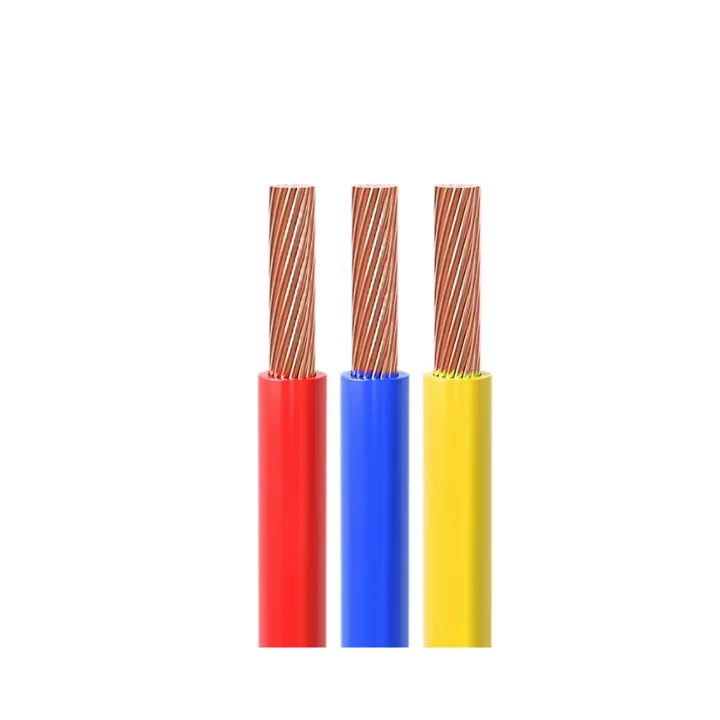
CE Certification 450/750v H07VVF Flexible Copper PVC Insulated Ac Cable 3*2.5 Mm