Keep up to date with our latest company news and relevant industry knowledge.
Time: 2026-05-19 11:56:16 Source: Henan Province Jianyun Cable Co., Ltd.
Author: Jianyun Cable
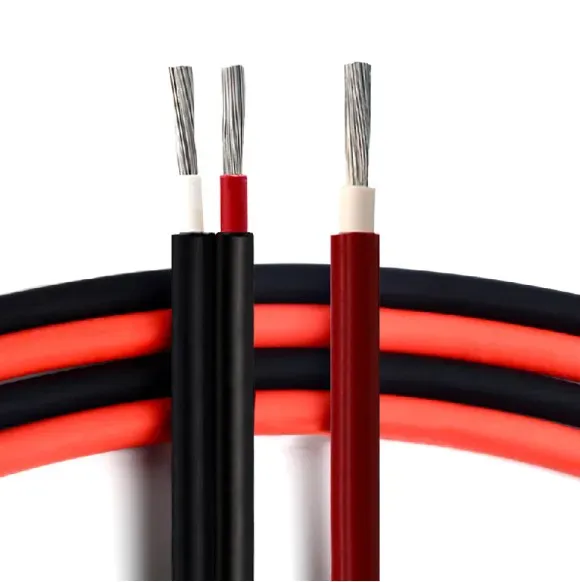
Solar cable is a critical component in every photovoltaic (PV) system. It carries direct current (DC) electricity from solar panels to combiner boxes, inverters, and battery storage systems. Because these cables operate outdoors for decades, they must resist ultraviolet radiation, temperature extremes, moisture, and mechanical stress.
Unlike ordinary building wire, solar cable is specifically engineered for harsh environmental conditions and long-term reliability. High-quality solar cable helps reduce voltage drop, minimize power loss, and improve the overall safety of solar installations.
Janyun Cable manufactures professional EN50618 ZZF Solar PV Cable (1.5KV) for rooftop, commercial, and utility-scale photovoltaic systems. This guide explains what solar cable is, why it matters, and how to choose the best cable for your solar project.
Solar cable, also called PV cable or photovoltaic cable, is a single-core insulated cable designed specifically for solar power systems. It connects solar modules, junction boxes, combiner boxes, inverters, and energy storage equipment.
Most premium solar cables use stranded tinned copper conductors combined with electron-beam cross-linked polyolefin insulation and sheath materials. This construction provides excellent flexibility, corrosion resistance, UV stability, and long service life.
Janyun Cable's EN50618 solar cable is rated at 600/1000V AC and 1000/1800V DC, making it suitable for modern photovoltaic installations up to 1.5kV DC.
Standard electrical wires are not designed to withstand prolonged outdoor exposure. Solar installations face continuous sunlight, rain, snow, heat, and freezing temperatures for 25 years or more.
Solar cable includes specialized insulation and sheath materials that remain stable under these demanding conditions. According to Janyun Cable, its solar PV cable operates from -45°C to +125°C and withstands short-circuit temperatures up to 280°C.
This combination of environmental durability and electrical performance makes solar cable essential for safe and efficient solar systems.
Tinned copper conductors provide excellent conductivity while resisting oxidation and corrosion. This is especially important in humid and coastal environments where ordinary copper may degrade over time.
Solar cable typically uses double insulation with electron-beam cross-linked polyolefin. This structure improves thermal stability, mechanical strength, and long-term reliability.
Solar cables are exposed directly to sunlight and harsh weather conditions. UV-resistant insulation prevents cracking and material degradation over time.
Janyun Cable's solar cable meets IEC 60332-1 flame resistance and IEC 61034 low smoke standards, helping improve safety in residential and commercial installations.
Modern PV systems commonly operate at up to 1500V DC. Proper voltage ratings are essential for system safety and regulatory compliance.
Solar cable is used in nearly every part of photovoltaic systems, including:
Whether for residential rooftops or large commercial projects, solar cable ensures efficient and safe transfer of DC power.
Common solar cable sizes include 2.5mm², 4mm², 6mm², 10mm², and 16mm². The most suitable size depends on current, cable length, and acceptable voltage drop.
| Cable Size | Typical Application |
|---|---|
| 2.5mm² | Small off-grid systems |
| 4mm² | Residential rooftop systems |
| 6mm² | Medium commercial systems |
| 10mm² | Long cable runs |
| 16mm² | Large-scale installations |
Janyun Cable offers a wide range of solar cable sizes to meet different project requirements.
Verify whether your system operates at 600V, 1000V, or 1500V DC. The cable must be rated accordingly.
Select a conductor size that can safely carry maximum current while minimizing voltage drop.
Outdoor exposure, temperature extremes, and moisture all affect cable performance.
Look for standards such as EN50618, IEC 62930, and TUV certification. Janyun Cable's solar PV cable is TUV certified and compliant with EN50618 requirements.
Recommended Products from Jianyun Cable
Main recommendation:
EN50618 ZZF Solar PV Cable (1.5KV)
Additional related products:
Related technical blog:
Its solar cable portfolio includes EN50618, H1Z2Z2-K, PV1-F, and Canadian RPV/RPVU cables for residential, commercial, and utility-scale solar projects.
Solar cable is far more than just wire. It is a specialized component that directly affects the efficiency, safety, and lifespan of photovoltaic systems. By using UV-resistant, double-insulated, tinned copper solar cable, installers can reduce energy losses and ensure decades of reliable operation.
Whether you are building a rooftop solar system or a large utility-scale power plant, selecting certified solar cable is a critical design decision.
Request a quote today: Get High-Quality Solar Cable from Janyun Cable
Solar cable connects photovoltaic panels, combiner boxes, inverters, and batteries in solar power systems.
No. Standard electrical wire lacks the UV resistance, weather protection, and temperature tolerance required for outdoor PV systems.
Modern solar cables are commonly rated up to 1.5kV DC for residential, commercial, and utility-scale systems.
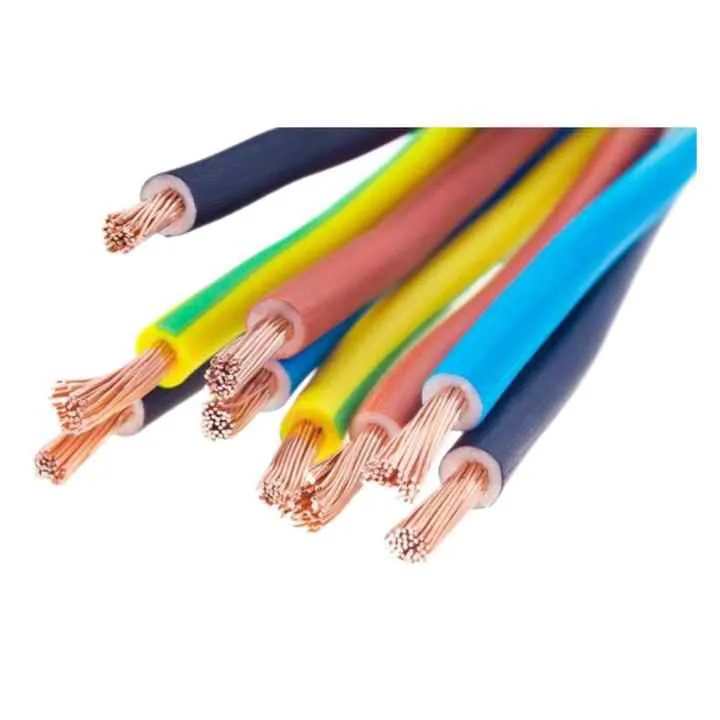
Flexible copper electrical wire with stranded copper conductor, PVC insulation a
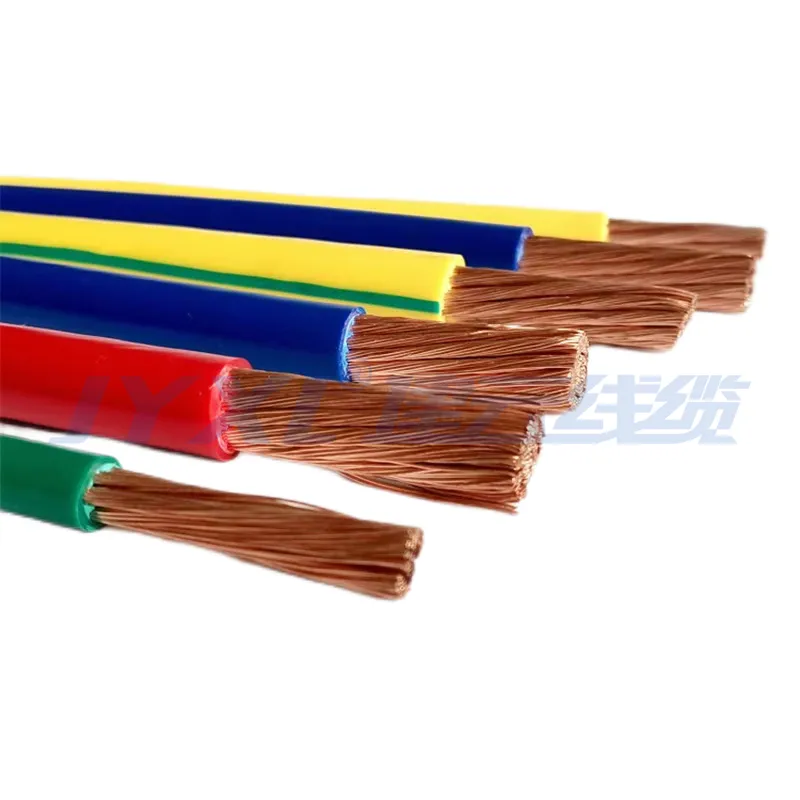
H07V-K flexible electrical wire with 1.5mm² and 2.5mm² stranded copper conductor
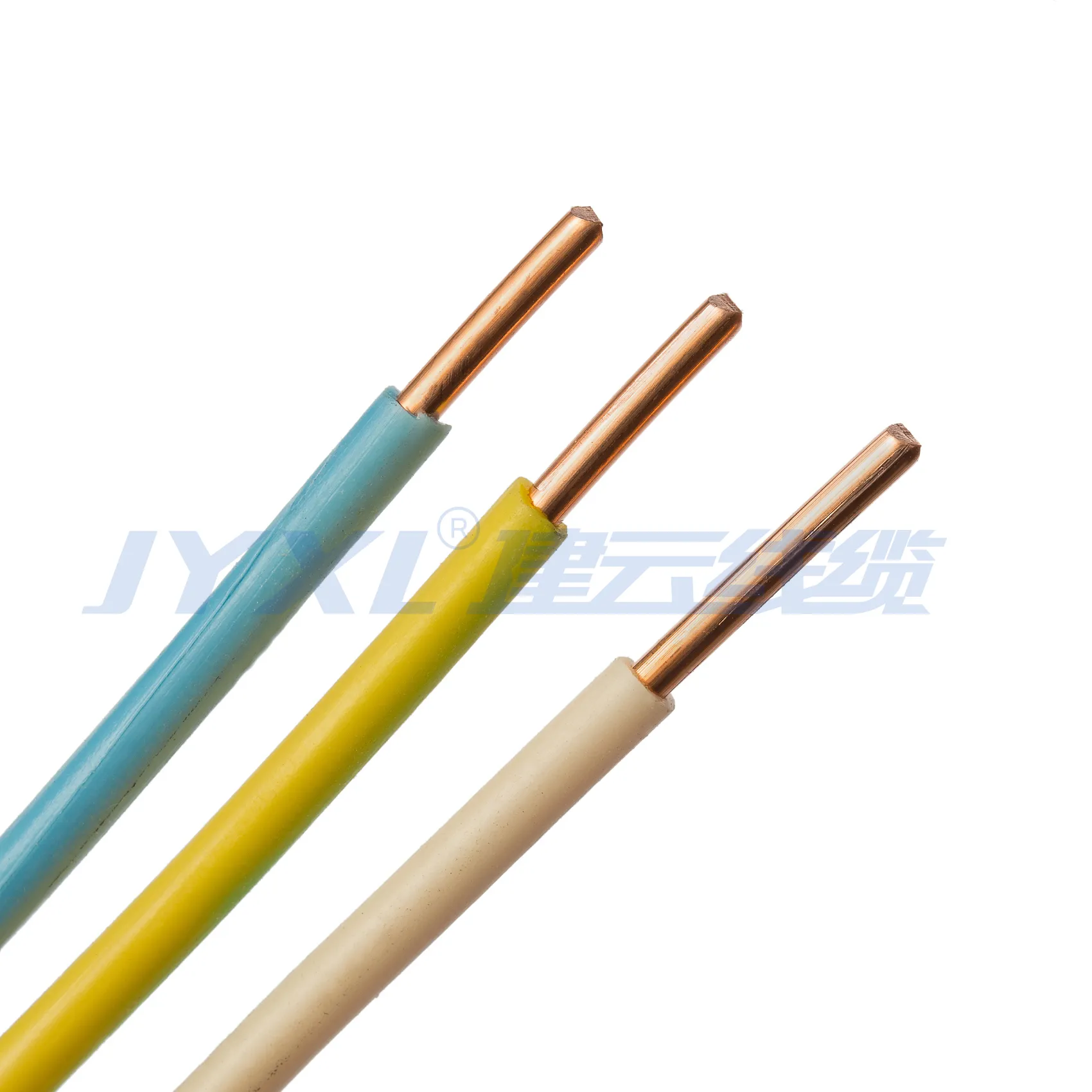
Jianyun H07V-U Solid Copper PVC Wire is a single core rigid electrical wire manu
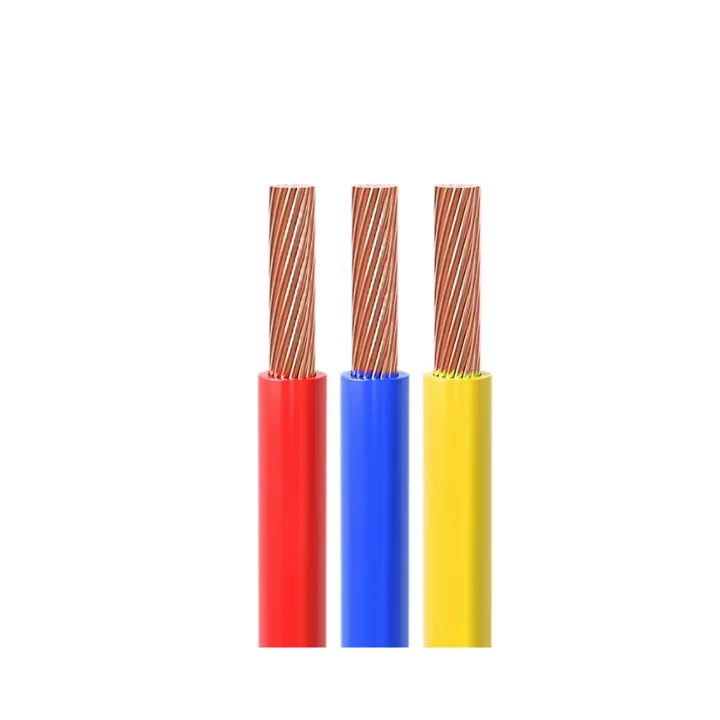
CE Certification 450/750v H07VVF Flexible Copper PVC Insulated Ac Cable 3*2.5 Mm