Keep up to date with our latest company news and relevant industry knowledge.
Time: 2026-05-18 07:31:39 Source: Henan Province Jianyun Cable Co., Ltd.
Author: Jianyun Cable
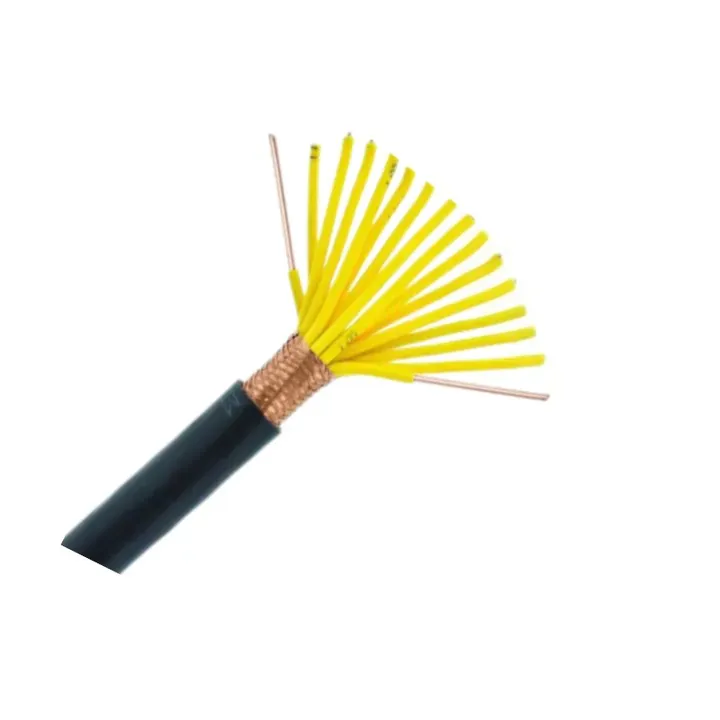
Control cable is an essential component in industrial automation, machinery control panels, and equipment signal circuits. It delivers low-voltage power and precise signal control, helping systems operate safely and efficiently. For electrical engineers, plant managers, and automation professionals, choosing the right control cable impacts performance, reliability, and long-term maintenance.
With modern automation trends, control cables must handle frequent signal changes, mechanical stress, vibration, and environmental factors. Selecting a cable that meets these operational demands improves system uptime and reduces troubleshooting time.
Janyun Cable offers high-quality Control Cable options designed for industrial automation, equipment control circuits, instrumentation, and signal systems. This guide explores what control cable is, key features, applications, and how to pick the right product for your project requirements.
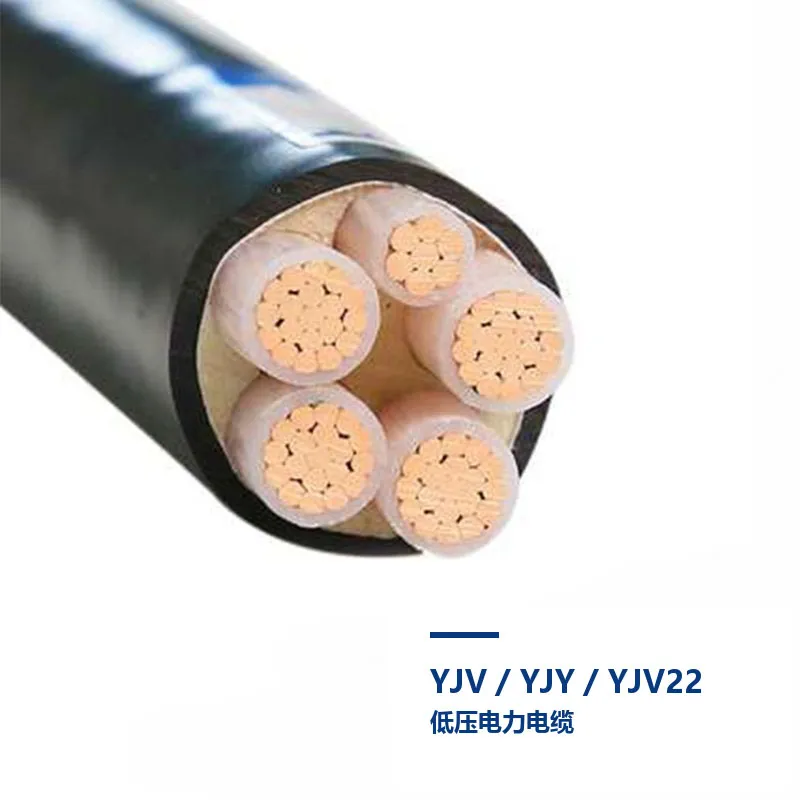
Control cable refers to a type of electrical cable used to transmit control signals, manage low-voltage power to devices, and connect control systems. Unlike power cables that deliver high current, control cables focus on signal integrity and responsive control feedback.
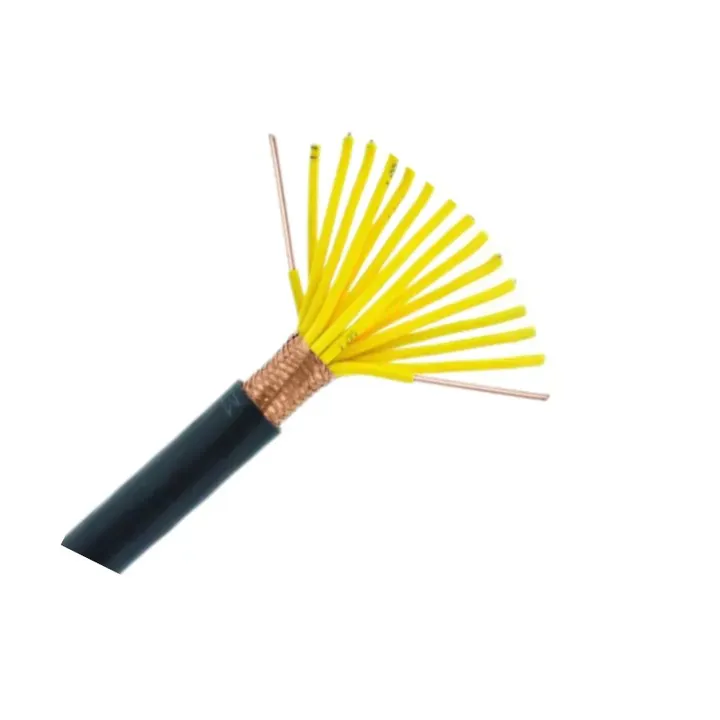
These cables commonly include multiple insulated conductors, shielding to reduce interference, and durable sheathing to protect against abrasion and external stress. Control cable designs vary based on installation environment, voltage rating, conductor size, and mechanical demands.
As industrial systems evolve, control cables play an important role in connecting sensors, actuators, motor drives, control panels, and automation equipment. Reliable control cables contribute to safer operations and better performance across complex electrical systems.
Control cables typically use several conductors inside one cable jacket. This allows multiple signals to travel through the same cable, reducing installation complexity for control panels and systems.
The conductors are insulated with materials like PVC or XLPE to protect against electrical faults, abrasion, heat, and environmental impacts. The outer sheath adds another protective layer to ensure long-term cable durability.
In applications where electromagnetic interference (EMI) or radio frequency interference (RFI) could impact signal quality, control cables may include shielding. Shielded control cables help maintain signal accuracy in noisy industrial environments.
Control cables are often designed for flexibility so they can be routed easily through conduits, cable trays, and control panel enclosures without damage.
In factories and automated facilities, control cables are used to connect PLCs, sensors, motor drives, and remote I/O units. Signal control and data feedback are critical in automated production lines and robotics systems.
Control panels often contain multiple circuits and devices that need organized wiring. Control cables simplify panel installations by combining multiple signal and control lines into one structured cable system.
Machinery such as conveyor systems, packaging equipment, CNC machines, and industrial presses rely on control cables to transmit start/stop commands, safety interlocks, and status signals.
Sensors and instrumentation require cables that can carry low-voltage signals with minimal interference. Control cables designed with shielding help preserve signal accuracy and reduce noise.
High-quality control cables help ensure stable signal transmission between control equipment and devices. This improves response accuracy and system performance in automated applications.
Control cables with proper insulation and shielding reduce the risk of electrical interference, short circuits, and unexpected malfunctions. This enhances overall safety in industrial environments.
Control cables are designed to withstand mechanical stress, vibration, and environmental factors. Durable insulation and sheathing help prolong cable life and reduce maintenance costs.
With multiple conductors bundled in one cable, control cable installations are more organized and efficient. This reduces the time required for wiring control systems and panels.
Before selecting a control cable, confirm the voltage and current demands of your control system. This helps ensure the cable’s conductor size and insulation rating are appropriate for the application.
Different environments require different cable properties. In industrial plants with high vibration, shielding and flexible design may be necessary. For outdoor installations, weather-resistant sheathing is important.
Shielded control cables help protect signal quality in environments with electromagnetic interference, such as near motors, power inverters, or high-frequency equipment.
Choose control cables that meet applicable electrical standards and certifications. Janyun Cable control cables are manufactured according to recognized industry standards to ensure safety and performance.
Janyun Cable’s Control Cable is engineered for reliable signal control in industrial automation, control panels, machinery, and equipment wiring systems. With stable conductors, durable insulation, and flexible design, this cable supports a wide range of electrical control needs.
Other related products include:
For deeper technical insights, you may also refer to our related blog on cable selection practices.
Plan cable routing to avoid sharp bends, excessive twisting, or pinch points, which could damage insulation or conductors.
Keep control cables separated from high-power conductors if possible to reduce electrical noise and interference.
Proper termination techniques at control panels and devices help maintain signal integrity and reduce connection issues.
Periodic inspection of control cables helps detect wear, insulation damage, or loose connections early, improving system reliability.
Control cable plays a vital role in modern electrical systems where precise signal control, automation, and safety matter. It supports communications between devices, programmable controllers, industrial equipment, and control panels, improving operational reliability and efficiency.
Whether your system involves factory automation, complex machinery, or instrument signal wiring, selecting the right control cable enhances performance and reduces maintenance issues. For dependable options, consider Janyun Cable’s Control Cable designed for industrial and automation applications.
Control cable is used to transmit signals, low-voltage control power, and data between control systems, sensors, PLCs, machinery, and automation equipment.
Control cables are designed for signal integrity and control applications and often have multiple conductors and shielding. Power cables focus on delivering high current at higher voltages.
Shielding may be necessary when electromagnetic interference or noise could affect the cable’s signal performance. Shielded control cables help maintain signal integrity in noisy environments.
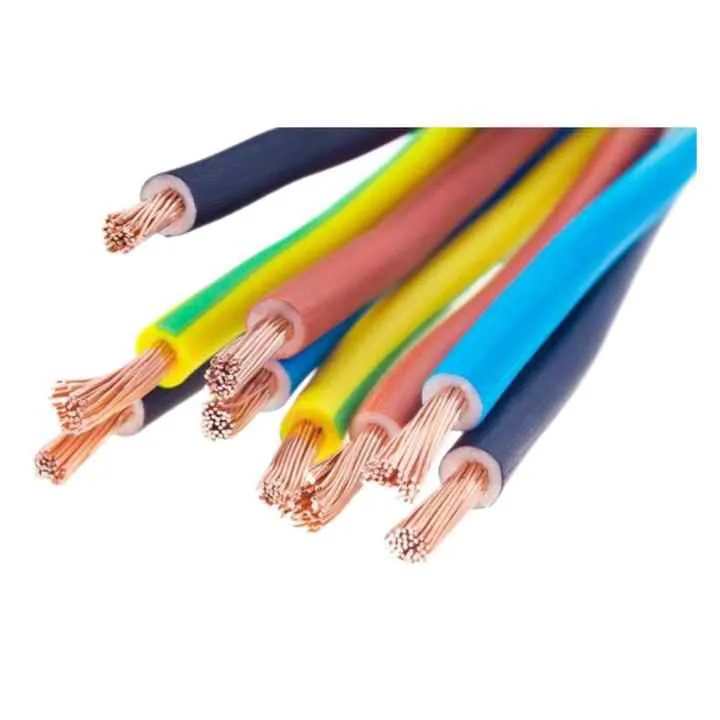
Flexible copper electrical wire with stranded copper conductor, PVC insulation a
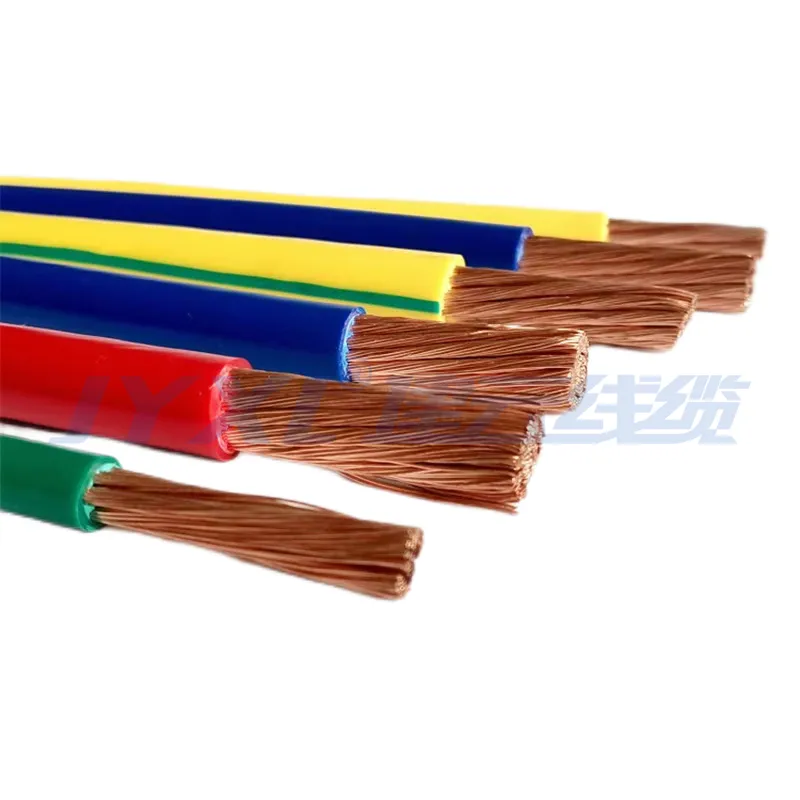
H07V-K flexible electrical wire with 1.5mm² and 2.5mm² stranded copper conductor
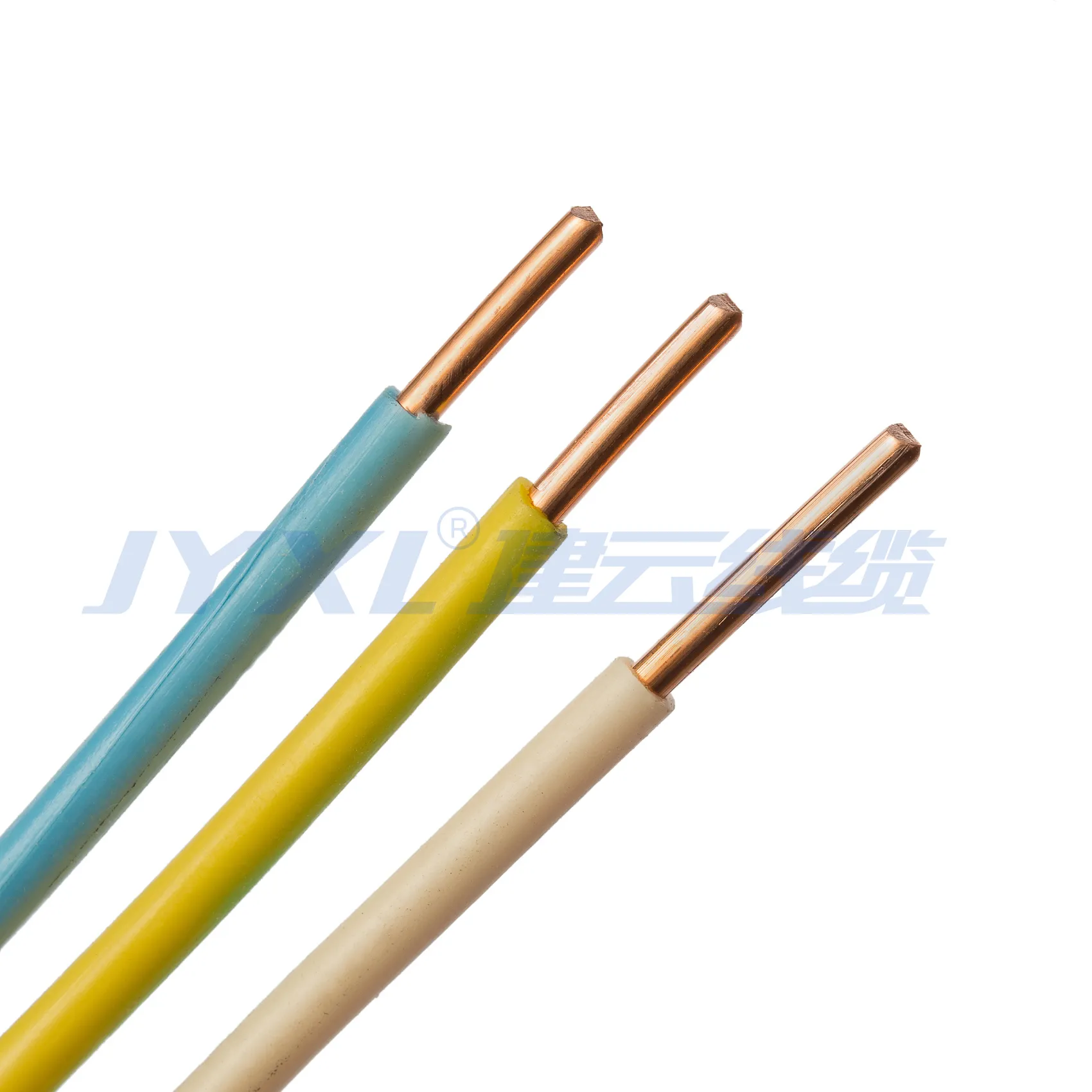
Jianyun H07V-U Solid Copper PVC Wire is a single core rigid electrical wire manu
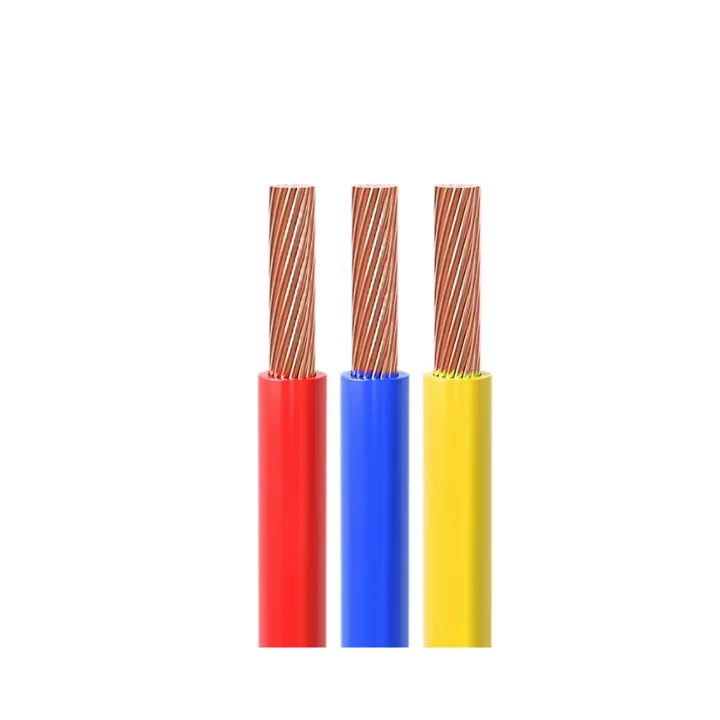
CE Certification 450/750v H07VVF Flexible Copper PVC Insulated Ac Cable 3*2.5 Mm