Keep up to date with our latest company news and relevant industry knowledge.
Time: 2026-05-20 08:33:28 Source: Henan Province Jianyun Cable Co., Ltd.
Author: Jianyun Cable
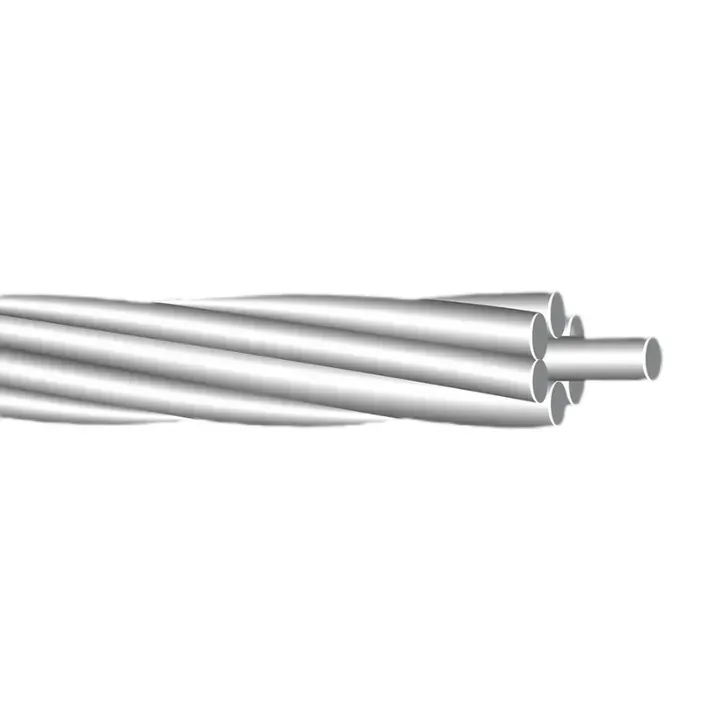
Bare cable is one of the most important conductor types used in overhead power transmission and distribution systems. Unlike insulated power cables, bare cable has no outer insulation layer, allowing it to provide efficient electrical conductivity while reducing material cost and weight. It is widely used by utilities, contractors, railway systems, and industrial power projects around the world.
For long-distance transmission lines, mechanical strength is just as important as electrical performance. Conductors must withstand wind, ice, tension, and temperature changes while maintaining stable current transmission. This is why bare cable products such as ACSR conductors remain a preferred choice for overhead power infrastructure.
Jianyun Cable manufactures professional ACSR Bare Cable for power transmission, distribution, and infrastructure projects. This guide explains what bare cable is, its advantages, applications, and how to choose the right conductor for your project.
Bare cable, also known as bare conductor, is an electrical conductor without an insulating jacket. These conductors are typically installed in open air on poles or transmission towers, where air itself acts as the insulating medium.
Bare cable is commonly manufactured from aluminum, copper, or aluminum reinforced with steel. Because there is no insulation, the conductor remains lightweight and cost-effective, making it ideal for large-scale utility projects.
Among the most popular types is ACSR (Aluminum Conductor Steel Reinforced), which combines high electrical conductivity with excellent mechanical strength.
Electric utilities rely on bare cable because it offers an efficient and economical solution for overhead lines. Compared with insulated cables, bare conductors can be produced in larger sizes and installed over longer spans.
The absence of insulation reduces weight and improves heat dissipation, allowing the conductor to carry higher currents under appropriate operating conditions.
For transmission and distribution networks, bare cable provides an optimal balance of conductivity, strength, and cost efficiency.
ACSR stands for Aluminum Conductor Steel Reinforced. It consists of aluminum strands surrounding a steel core. The aluminum carries electrical current, while the steel core provides tensile strength.
This design makes ACSR one of the most widely used bare cable types for overhead transmission lines and long-span installations.
All Aluminum Alloy Conductor (AAAC) uses aluminum alloy strands to provide improved corrosion resistance and mechanical strength without a steel core.
All Aluminum Conductor (AAC) offers high conductivity and is often used for shorter spans where maximum mechanical strength is not required.
Bare cable provides excellent conductivity, especially when manufactured from aluminum or copper. Lower resistance helps reduce transmission losses.
Without insulation materials, bare cable is generally more economical for large-scale overhead networks.
Exposure to open air allows conductors to dissipate heat efficiently, which can improve current-carrying performance.
Steel-reinforced bare cable such as ACSR can withstand significant mechanical stress, making it suitable for long spans and difficult terrain.
When properly installed and maintained, bare cable can operate reliably for decades in utility and industrial environments.
Bare cable is used extensively in:
Its versatility makes it a core component of electrical infrastructure worldwide.
Jianyun Cable's High Strength ACSR Bare Cable is designed for overhead transmission and distribution applications. It combines aluminum conductivity with steel reinforcement to deliver dependable electrical and mechanical performance for utility projects.
Additional related products:
Related technical article:
| Feature | Bare Cable | Insulated Cable |
|---|---|---|
| Outer Insulation | No | Yes |
| Typical Use | Overhead Lines | Underground/Building Wiring |
| Cost | Lower | Higher |
| Weight | Lighter | Heavier |
| Heat Dissipation | Excellent | Moderate |
| Maintenance | Low | Application Dependent |
Select the conductor size according to system voltage, current load, and acceptable voltage drop.
Consider span length, wind loading, ice accumulation, and installation tension when choosing conductor type.
Corrosive or coastal environments may require specialized conductor materials or protective considerations.
Ensure the product meets project standards and utility specifications before purchasing.
Jianyun Cable specializes in power cables, electric wires, solar cables, control cables, and bare conductors for global infrastructure projects. The company offers products manufactured to international standards with consistent quality control and technical support.
Its bare conductor portfolio includes ACSR, AAC, and AAAC solutions for utility, industrial, and railway applications.
Bare cable remains a fundamental solution for overhead power transmission because it offers high conductivity, strong mechanical performance, and cost-effective installation. Products such as ACSR conductors are particularly valuable where long spans and high tensile strength are required.
Whether your project involves utility transmission lines, rural electrification, railway systems, or industrial power networks, selecting high-quality bare cable is essential for safe and reliable operation.
Request a quote today: Get Premium Bare Cable from Janyun Cable
Bare cable is primarily used for overhead transmission and distribution lines, substations, grounding systems, and utility infrastructure.
Bare cable has no insulation and is typically used in open-air overhead installations, while insulated cable includes protective jackets for enclosed or underground applications.
ACSR combines aluminum conductivity with a steel core, providing both efficient electrical transmission and excellent tensile strength for long-span overhead lines.
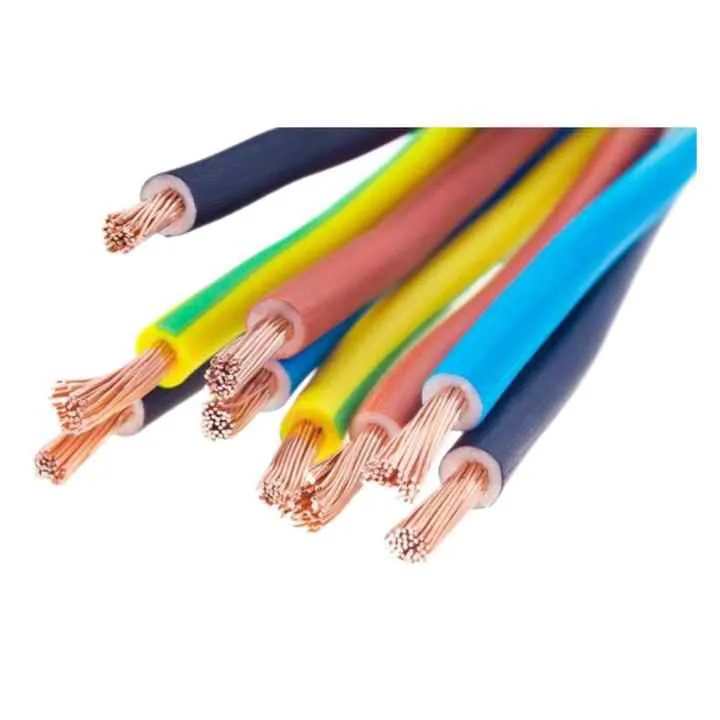
Flexible copper electrical wire with stranded copper conductor, PVC insulation a
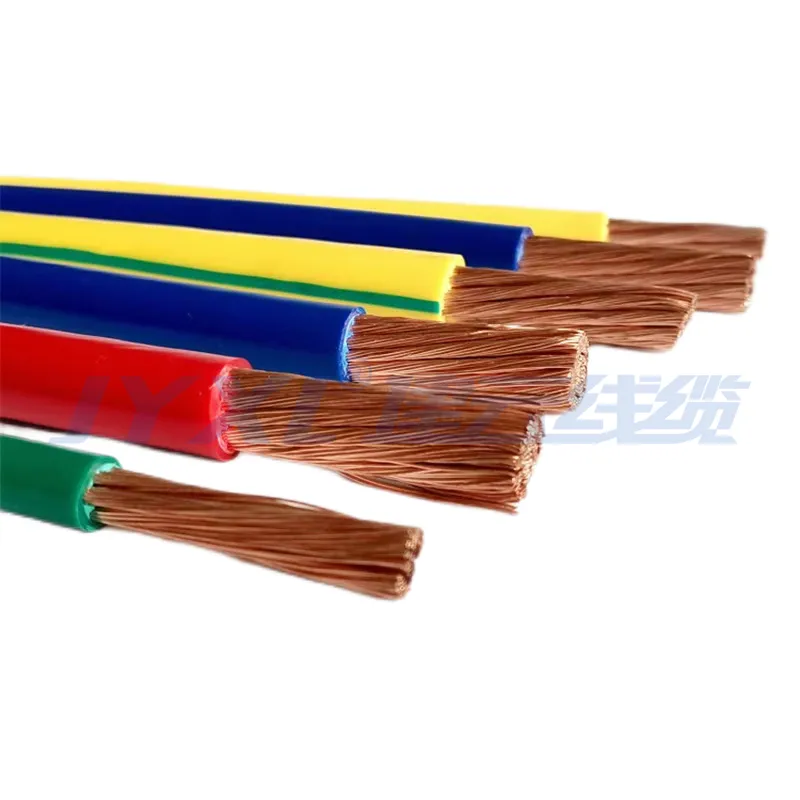
H07V-K flexible electrical wire with 1.5mm² and 2.5mm² stranded copper conductor
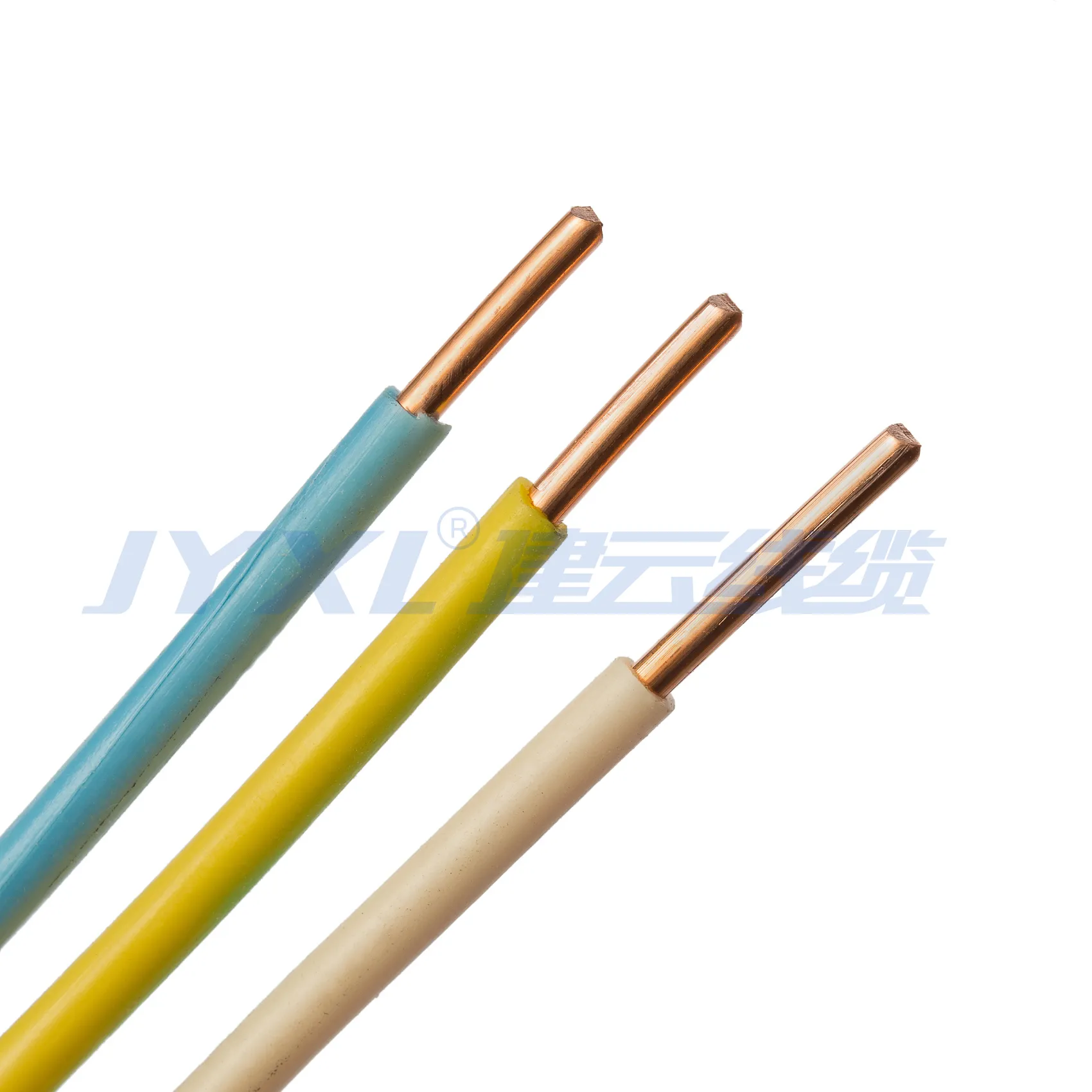
Jianyun H07V-U Solid Copper PVC Wire is a single core rigid electrical wire manu
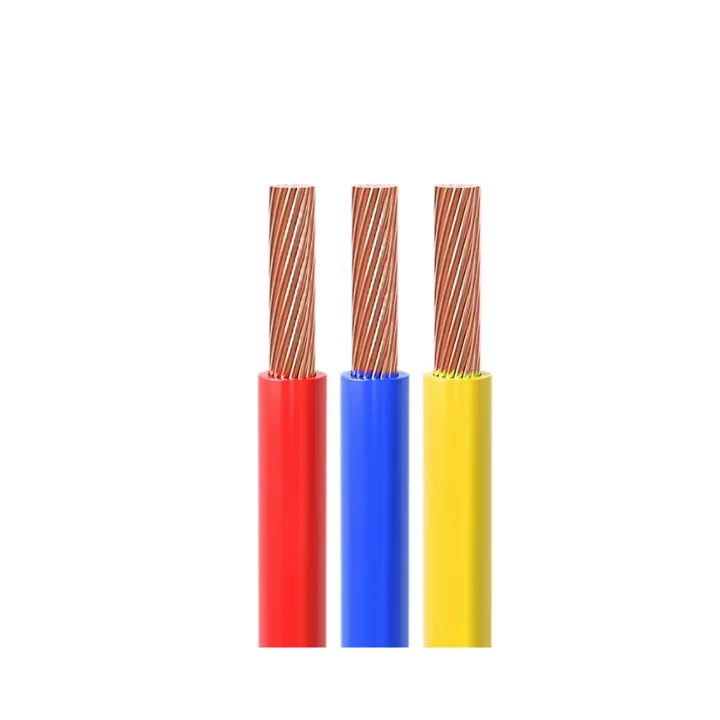
CE Certification 450/750v H07VVF Flexible Copper PVC Insulated Ac Cable 3*2.5 Mm