Keep up to date with our latest company news and relevant industry knowledge.
Time: 2026-08-05 08:38:32 Source: Henan Province Jianyun Cable Co., Ltd.
Author: Jianyun Cable
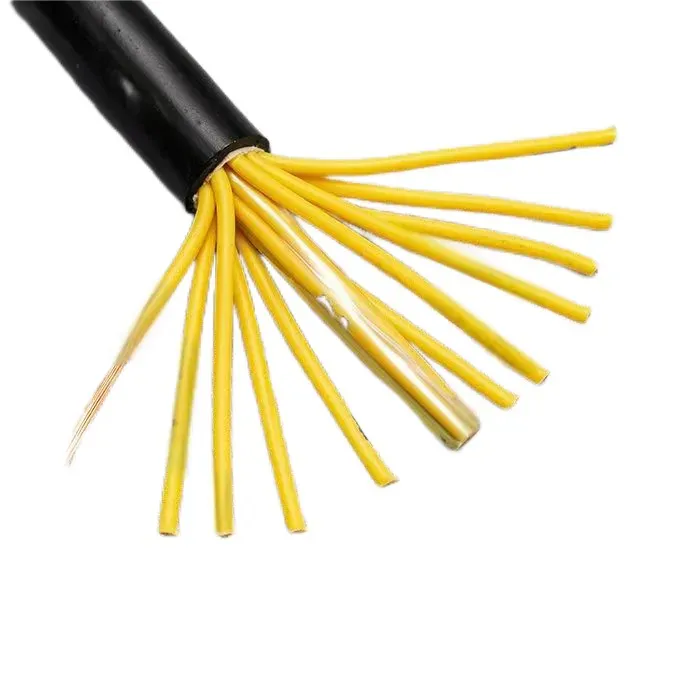
Control cable is an important part of industrial automation, machinery, electrical cabinets, monitoring systems, and process-control equipment. It carries control commands, switching signals, and low-voltage electrical signals between controllers, relays, switches, motors, sensors, and other devices.
Unlike a power cable, which is mainly designed to transfer electrical energy to major loads, a control cable focuses on dependable signal transmission and accurate equipment operation. The correct cable structure helps reduce operational errors, improve installation organization, and support long-term system reliability.
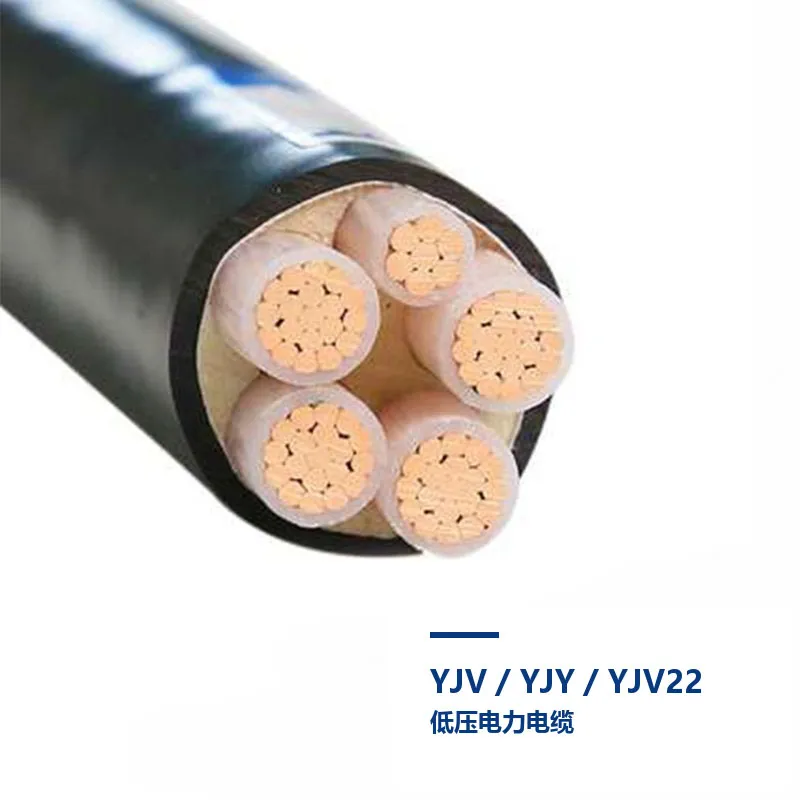
Jianyun Cable supplies copper conductor PVC insulated and sheathed control cable for industrial facilities, automobile-related equipment, electrical panels, cable ducts, trenches, and fixed control installations.
Recommended Control Cable:
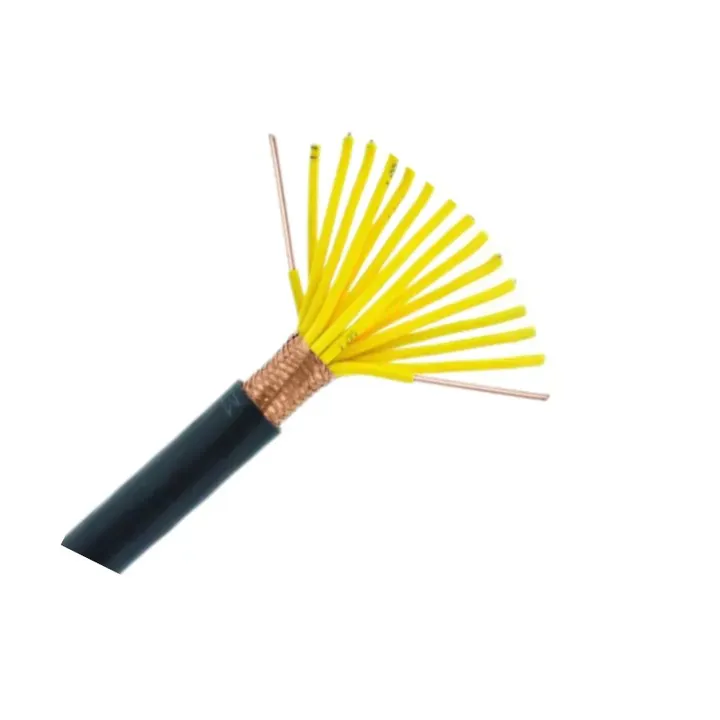
KVV Copper PVC Control Cable from Jianyun CableA control cable is a multi-core electrical cable designed to transmit control signals and operating commands within an electrical system. It connects control devices with machinery, motors, instruments, switches, and monitoring equipment.
Most industrial control cables contain several insulated copper conductors assembled under one protective outer sheath. Depending on the installation environment, additional shielding, armor, flexibility, or flame-retardant performance may be included.
PVC control cable is widely used because it provides practical electrical insulation, stable mechanical performance, convenient installation, and compatibility with many indoor and industrial environments.
| Component | Main Function |
|---|---|
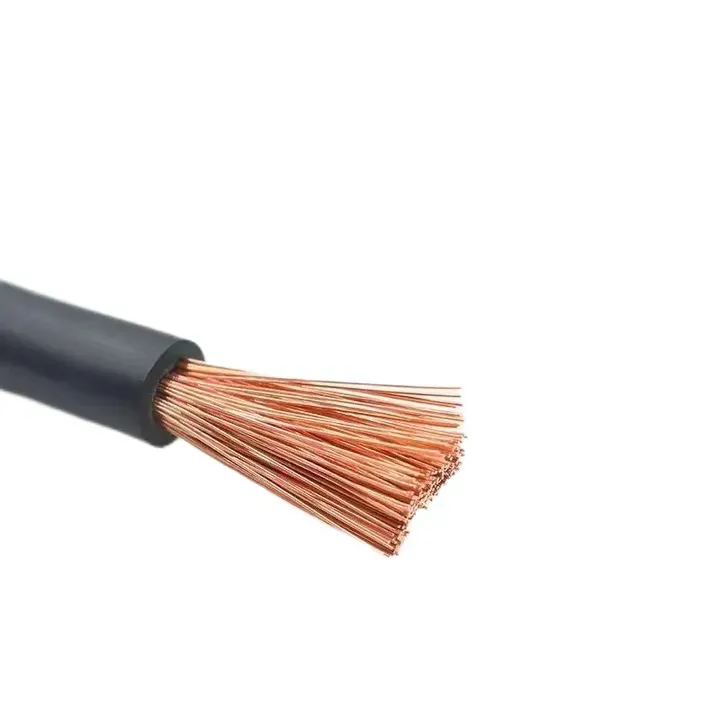
| Stranded copper conductor | Carries control current and electrical signals reliably |
| PVC or PE insulation | Separates individual conductors and provides electrical protection |
| Multi-core assembly | Combines several control circuits within one cable |
| Optional shielding | Helps reduce electromagnetic interference |
| Optional steel tape armor | Provides protection against external mechanical force |
| PVC outer jacket | Protects the complete cable against moisture, wear, and environmental exposure |
| Advantage | Practical Benefit |
|---|---|
| Copper conductor | Provides stable conductivity for control circuits |
| Multi-core construction | Simplifies wiring between multiple devices |
| PVC insulation and sheath | Provides dependable protection for general industrial use |
| Shielded options | Improve signal stability near motors and electrical equipment |
| Armored options | Support installation in trenches, ducts, and mechanically demanding areas |
| Flexible options | Make routing easier in movable or compact equipment |
| Cable Type | Construction | Typical Application |
|---|---|---|
| KVV | Copper conductor, PVC insulated and PVC sheathed | Fixed installation indoors, in trenches, and in ducts |
| KVVP | Copper conductor control cable with braided shielding | Fixed systems requiring interference protection |
| KVVP2 | PVC control cable with steel tape shielding | Industrial control circuits requiring screened construction |
| KVV22 | PVC control cable with steel tape armor | Trenches, ducts, ground installation, and mechanically demanding locations |
| KVVR | Flexible copper conductor PVC control cable | Indoor movable and flexible connections |
| ZR-KVV | Flame-retardant PVC insulated and sheathed control cable | Fixed installations requiring flame-retardant performance |
| Feature | Shielded Control Cable | Unshielded Control Cable |
|---|---|---|
| Interference protection | Higher protection against electromagnetic interference | Suitable for environments with limited interference |
| Cable structure | Includes braided or steel tape shielding | Standard insulated and sheathed construction |
| Typical use | Motors, instrumentation, automation, and control equipment | General fixed control wiring |
| Project cost | Generally higher due to additional shielding | More economical for standard installations |
| Feature | Armored Control Cable | Non-Armored Control Cable |
|---|---|---|
| Mechanical protection | High | Standard |
| Typical installation | Trenches, ducts, ground, and industrial areas | Indoor panels and protected cable routes |
| Cable weight | Higher | Lower |
| Selection priority | External mechanical protection | Simple routing and lower installation cost |
| Feature | Control Cable | Power Cable |
|---|---|---|
| Primary function | Transmits control commands and operating signals | Transmits electrical power to loads |
| Core quantity | Often contains many small conductors | Usually contains fewer, larger conductors |
| Typical application | Automation, monitoring, control panels, and machinery | Building, industrial, and utility power distribution |
| Shielding requirement | Frequently selected for sensitive signals | Depends on voltage and cable design |
| Selection Factor | Recommendation |
|---|---|
| Rated voltage | Choose 450/750V or 0.6/1kV according to the control system |
| Number of cores | Include all active circuits plus suitable spare conductors |
| Conductor size | Select according to current, circuit length, and allowable voltage drop |
| Electromagnetic interference | Use shielded cable near motors, transformers, and variable-frequency drives |
| Mechanical risk | Choose armored cable for trenches, ground installation, or exposed routes |
| Flexibility | Select KVVR or another flexible design for movable equipment |
| Fire performance | Specify a ZR flame-retardant model when required |
| Applicable standard | Confirm IEC 60227, GB 9330, BS, VDE, or project specifications |
| Specification | Available Option |
|---|---|
| Product name | KVV CU/PVC control cable |
| Rated voltage | 450/750V or 0.6/1kV |
| Conductor material | Copper |
| Conductor construction | Stranded copper |
| Insulation | PVC or PE |
| Outer jacket | PVC |
| Working temperature | 0°C to 70°C |
| Color options | Black, red, white, or customized colors |
| Reference standards | IEC 60227, GB 9330, BS, VDE, or customized standards |
Jianyun Cable supplies copper conductor control cable for industrial automation, electrical control panels, automobile-related equipment, machinery, monitoring systems, trenches, ducts, and fixed installations.
Standard, shielded, steel-tape armored, flexible, and flame-retardant cable designs can be supplied according to the electrical environment and installation requirements.
View Product Details and Request a Quote:
450/750V and 0.6/1kV KVV Copper PVC Control CableControl cable helps industrial equipment, control panels, sensors, relays, motors, and monitoring systems exchange commands and operating signals reliably. Selecting the correct conductor size, core quantity, shielding, armor, flexibility, and fire performance is essential for dependable system operation.
Jianyun Cable supplies KVV copper PVC control cable in standard, shielded, armored, flexible, and flame-retardant configurations for industrial and fixed electrical installations.
Request Your Control Cable Quotation:
Contact Jianyun Cable for KVV Copper PVC Control CableControl cable is used to transmit operating commands and control signals between electrical panels, switches, relays, motors, sensors, machinery, and industrial automation equipment.
KVV is a standard copper conductor PVC insulated and sheathed control cable. KVVP includes an additional copper-wire braided shielding layer to reduce electromagnetic interference.
KVV22 should be considered for trenches, ducts, ground installation, and locations where the cable may be exposed to heavier external mechanical force.
Yes. KVVR uses a flexible copper conductor and is suitable for movable indoor connections and installations that require easier bending.
The product can be supplied for rated voltages including 450/750V and 0.6/1kV, depending on the cable model and project requirements.
Control cable should be selected according to rated voltage, core quantity, conductor size, signal type, electromagnetic interference, installation environment, mechanical risk, fire requirements, and applicable standards.
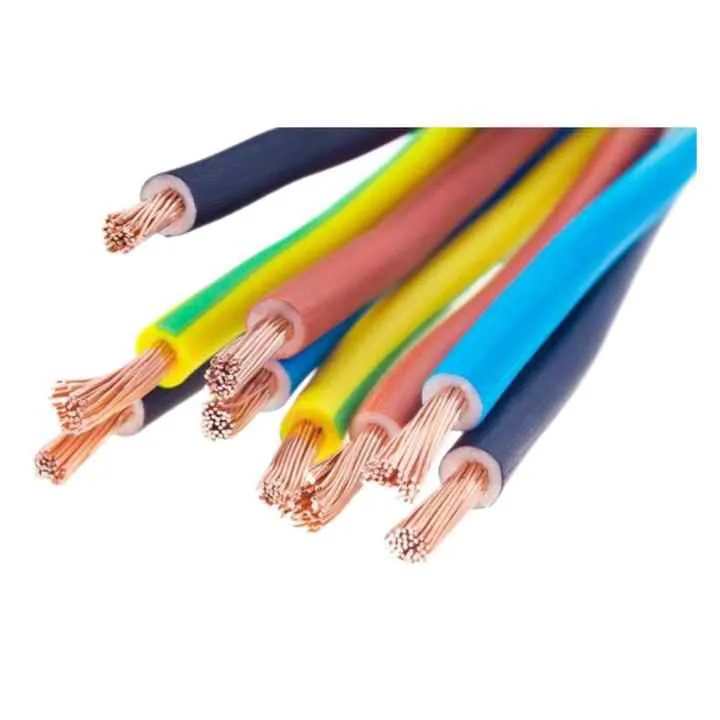
Flexible copper electrical wire with stranded copper conductor, PVC insulation a
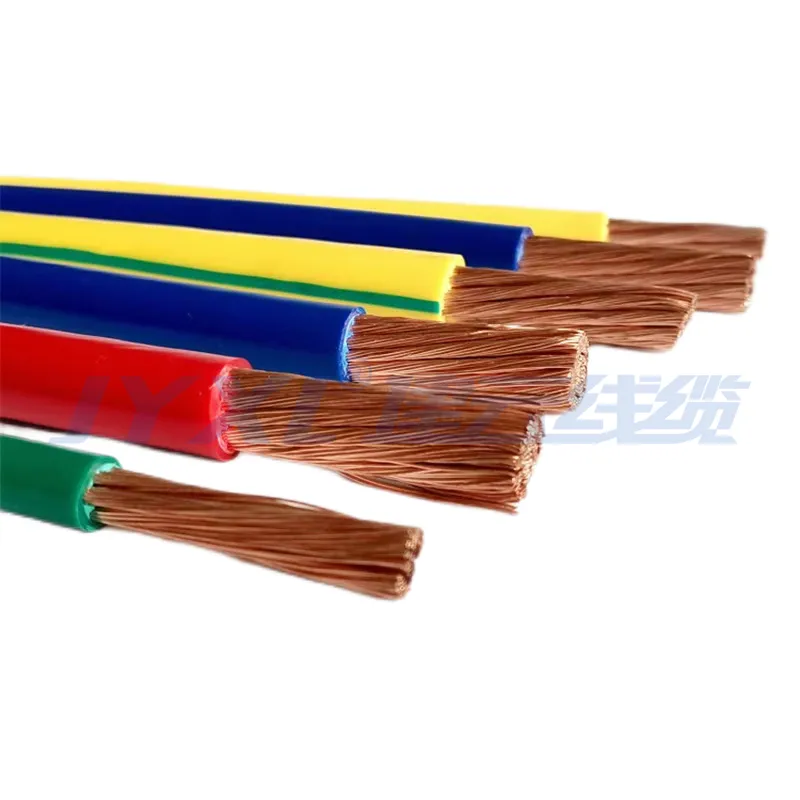
H07V-K flexible electrical wire with 1.5mm² and 2.5mm² stranded copper conductor
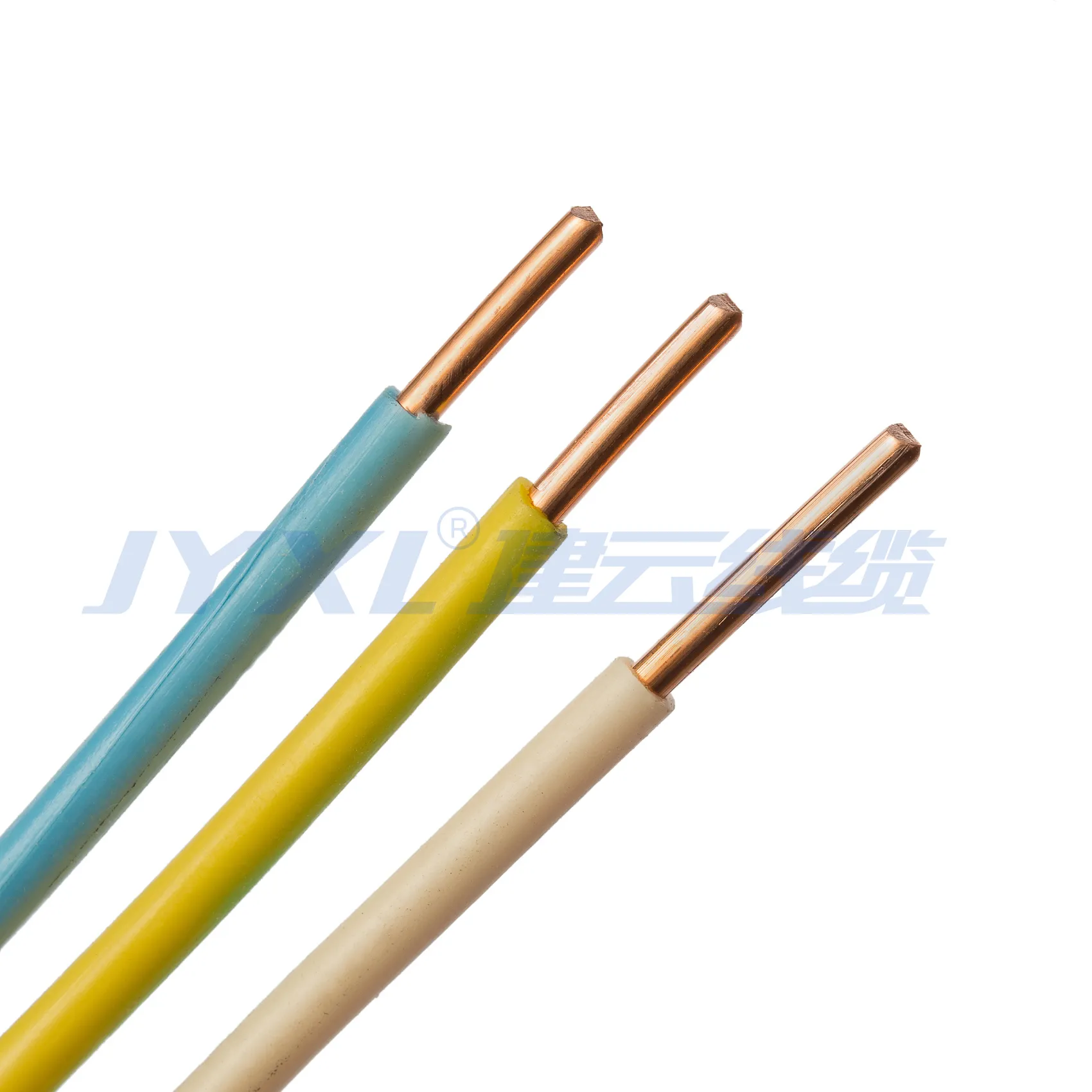
Jianyun H07V-U Solid Copper PVC Wire is a single core rigid electrical wire manu
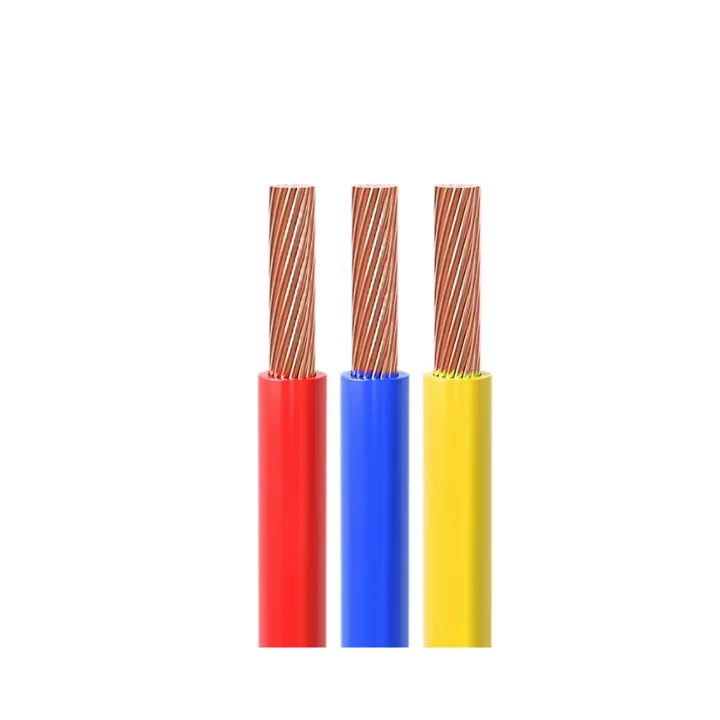
CE Certification 450/750v H07VVF Flexible Copper PVC Insulated Ac Cable 3*2.5 Mm