Keep up to date with our latest company news and relevant industry knowledge.
Time: 2025-11-10 03:58:22 Source: Henan Province Jianyun Cable Co., Ltd.
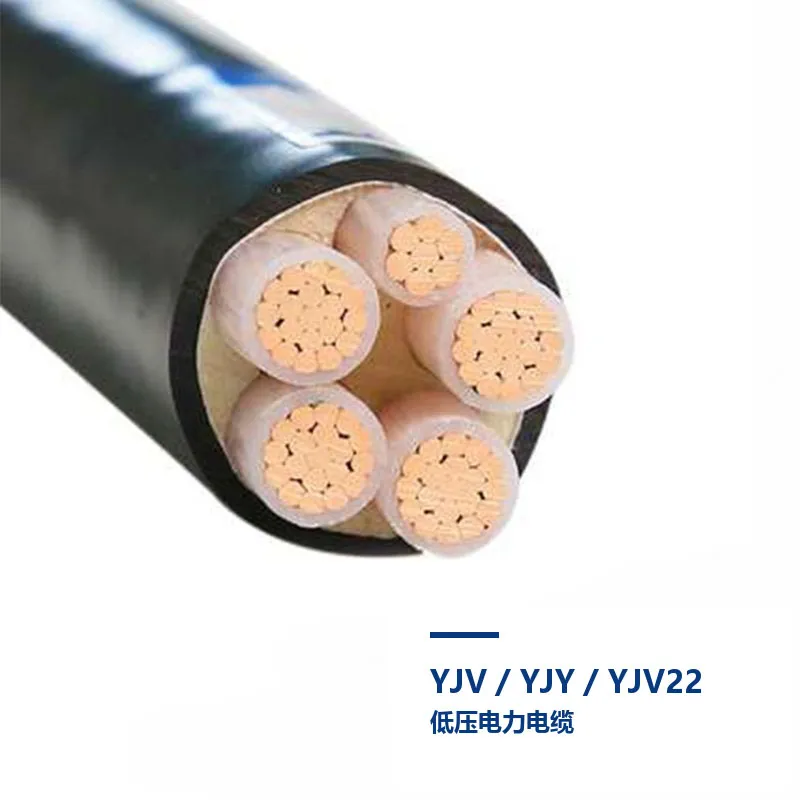
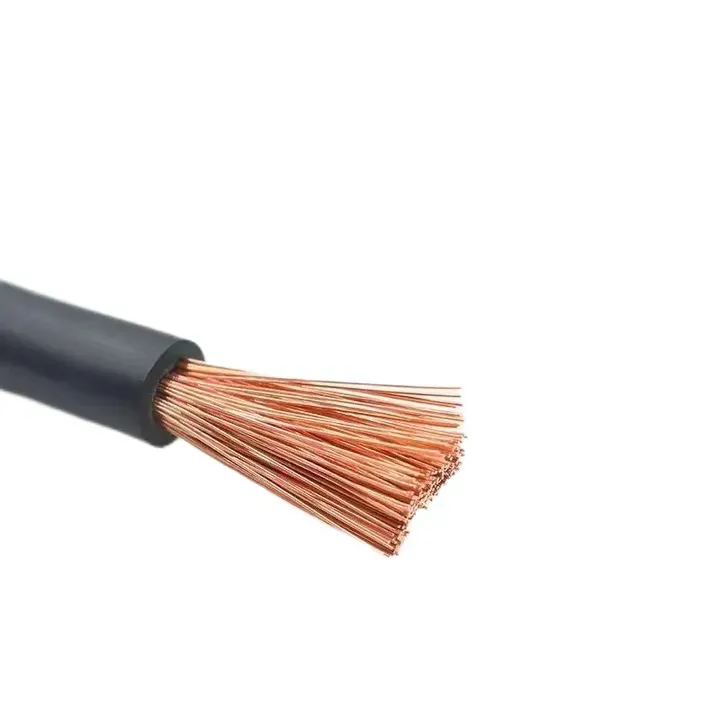
Electrical cables serve as critical components in the transmission of power and data across diverse sectors, supporting infrastructure development and technological advancement. As of November 2025, their applications span residential, commercial, industrial, and specialized domains, driven by evolving demands for efficiency, sustainability, and connectivity. This article provides a structured overview of key applications, highlighting cable types and benefits in each context.
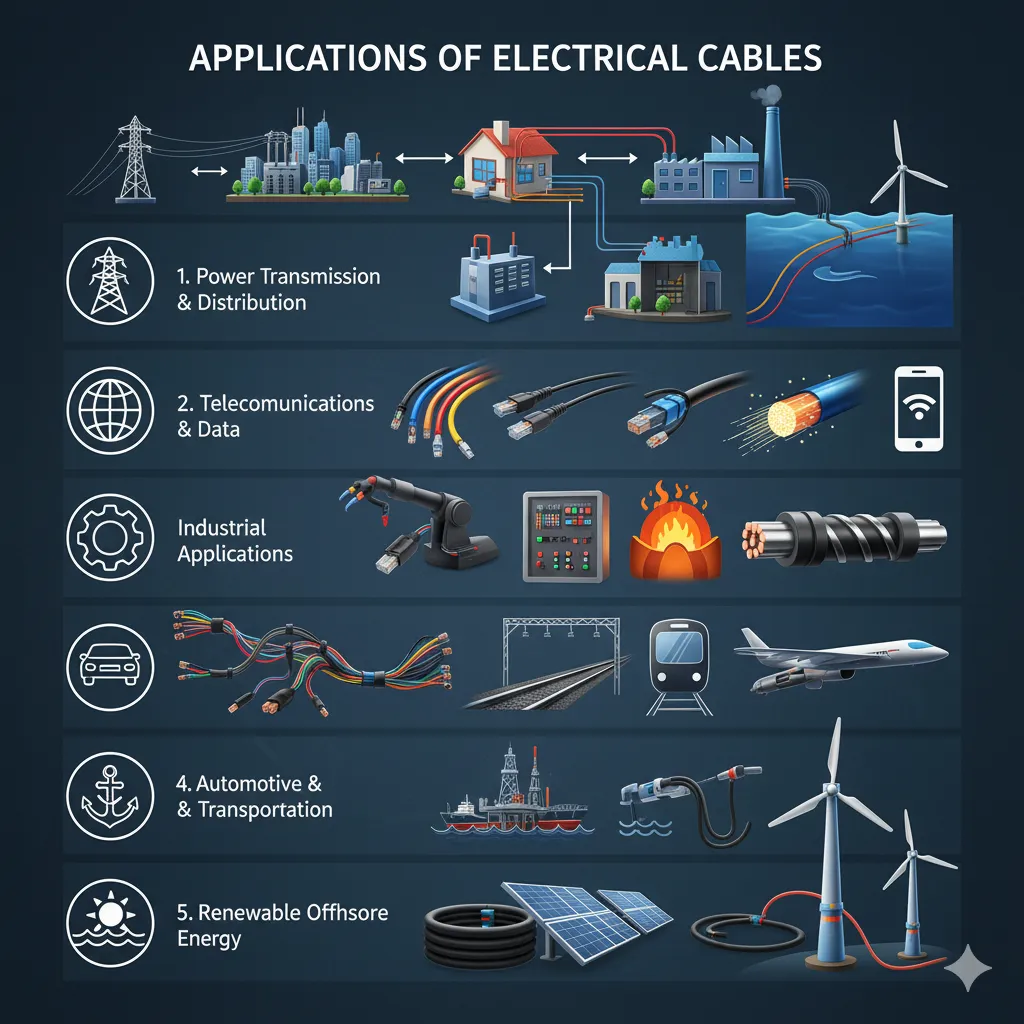
In residential settings, electrical cables facilitate safe power distribution for lighting, appliances, and entertainment systems. Common types include NM-B (Romex) for indoor wiring and UF-B for underground feeds to outbuildings.
Commercial buildings require robust cabling for lighting, HVAC, and office equipment. Metal-clad (MC) cables provide durability in exposed areas, while flexible conduits support data networking.
Industrial environments demand cables resistant to heat, chemicals, and mechanical stress. Armored cables (e.g., TECK) are used in manufacturing plants for machinery and control systems.
High-voltage cables enable efficient long-distance power transfer in utility grids. Submarine and underground HVDC cables minimize losses in renewable integration.
Fiber optic and twisted-pair cables support high-speed data transfer. Coaxial and Ethernet cables form the backbone of internet and telephony networks.
Cables play a pivotal role in sustainable energy and mobility. Solar and wind farm cables withstand environmental extremes, while EV charging cables support high-power delivery.
Advanced cables address niche requirements in medical, military, and marine sectors.
| Sector | Application Examples | Cable Features |
|---|---|---|
| Medical | MRI machines, surgical equipment | Biocompatible, low-noise |
| Marine | Submarine communication, offshore platforms | Water-resistant, high-pressure tolerant |
| Military | Radar systems, unmanned vehicles | EMI-shielded, ruggedized |
| Emerging | IoT sensors, space exploration | Lightweight, high-bandwidth |
Electrical cables underpin virtually all modern technologies, with applications evolving alongside innovations in materials and design. Selecting appropriate cables ensures reliability, safety, and performance across sectors. For project-specific guidance, consultation with engineering professionals is recommended.
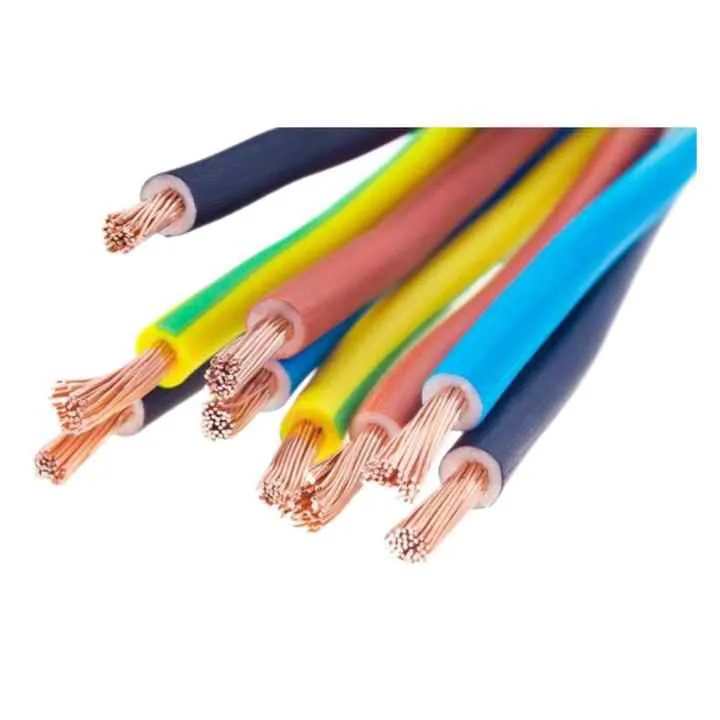
Flexible copper electrical wire with stranded copper conductor, PVC insulation a
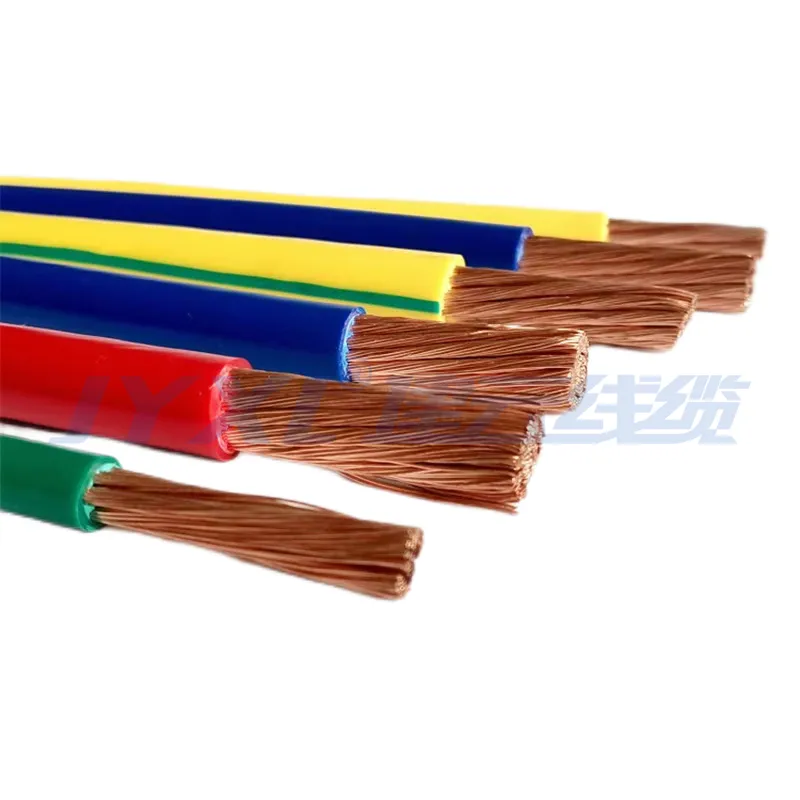
H07V-K flexible electrical wire with 1.5mm² and 2.5mm² stranded copper conductor
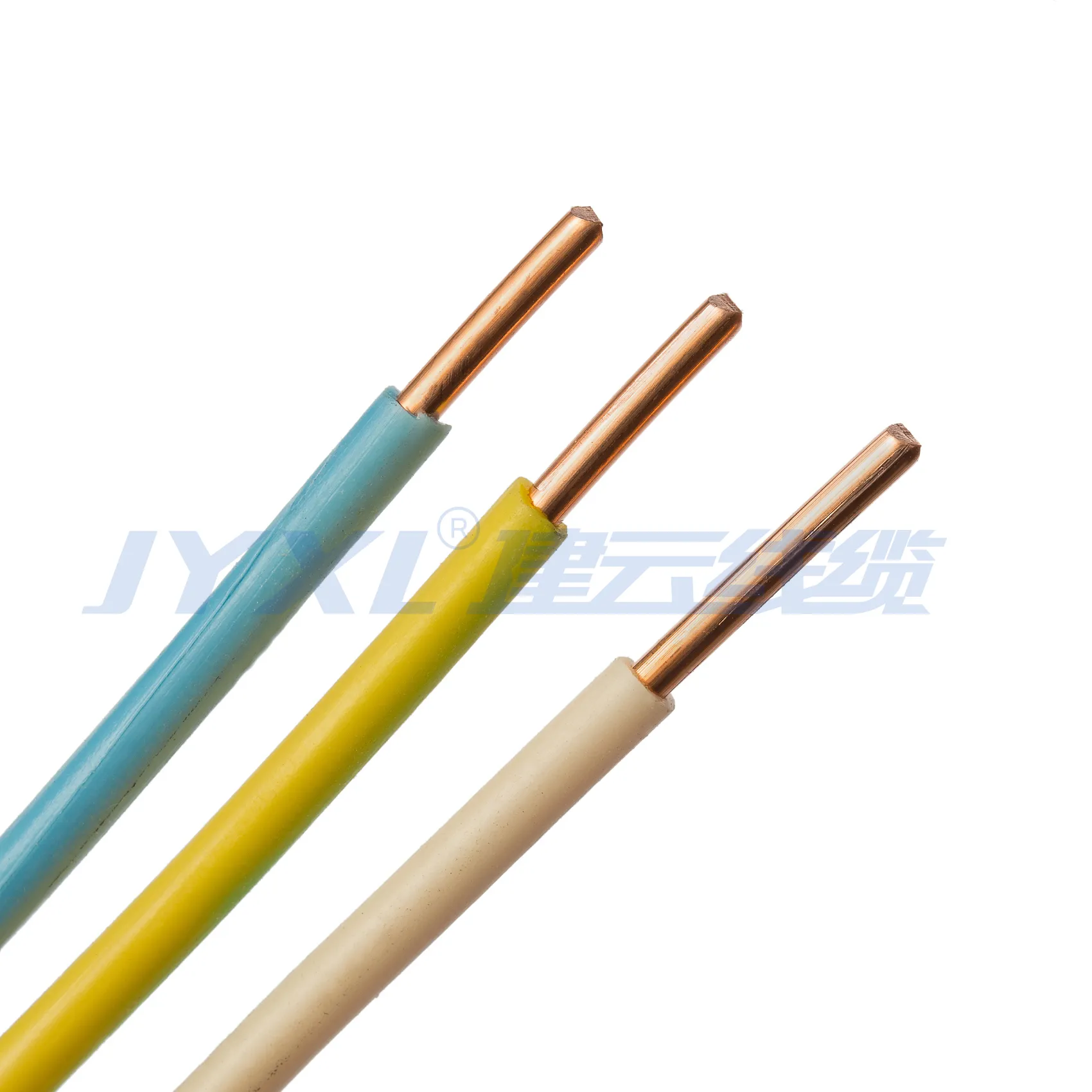
Jianyun H07V-U Solid Copper PVC Wire is a single core rigid electrical wire manu
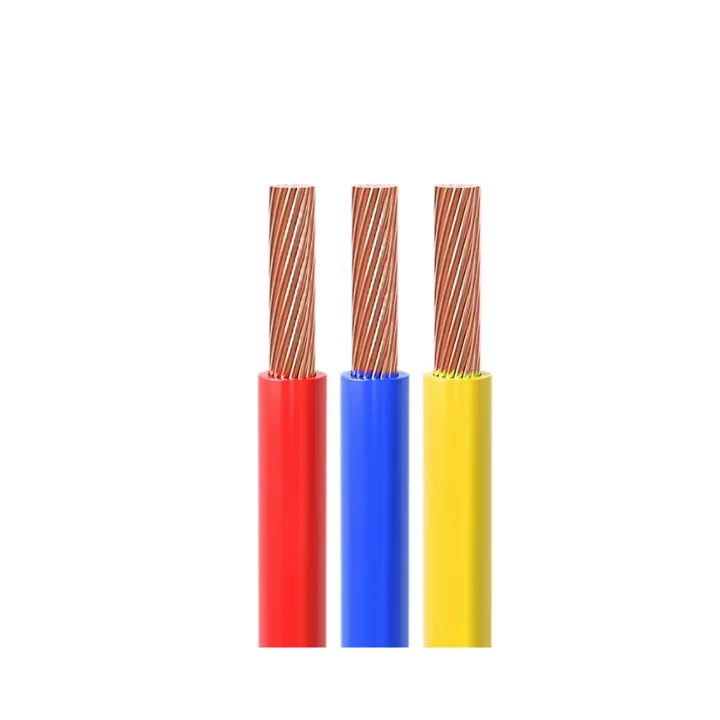
CE Certification 450/750v H07VVF Flexible Copper PVC Insulated Ac Cable 3*2.5 Mm