Keep up to date with our latest company news and relevant industry knowledge.
Time: 2025-11-10 03:43:03 Source: Henan Province Jianyun Cable Co., Ltd.
Electrical wires serve as the fundamental pathways for electric current in circuits, enabling the transmission of power and signals essential to modern infrastructure. As of November 2025, these conductors remain indispensable in applications ranging from residential wiring to industrial systems. This article examines the primary functions of electrical wires, their operational principles, types, and critical role in ensuring safety and efficiency.
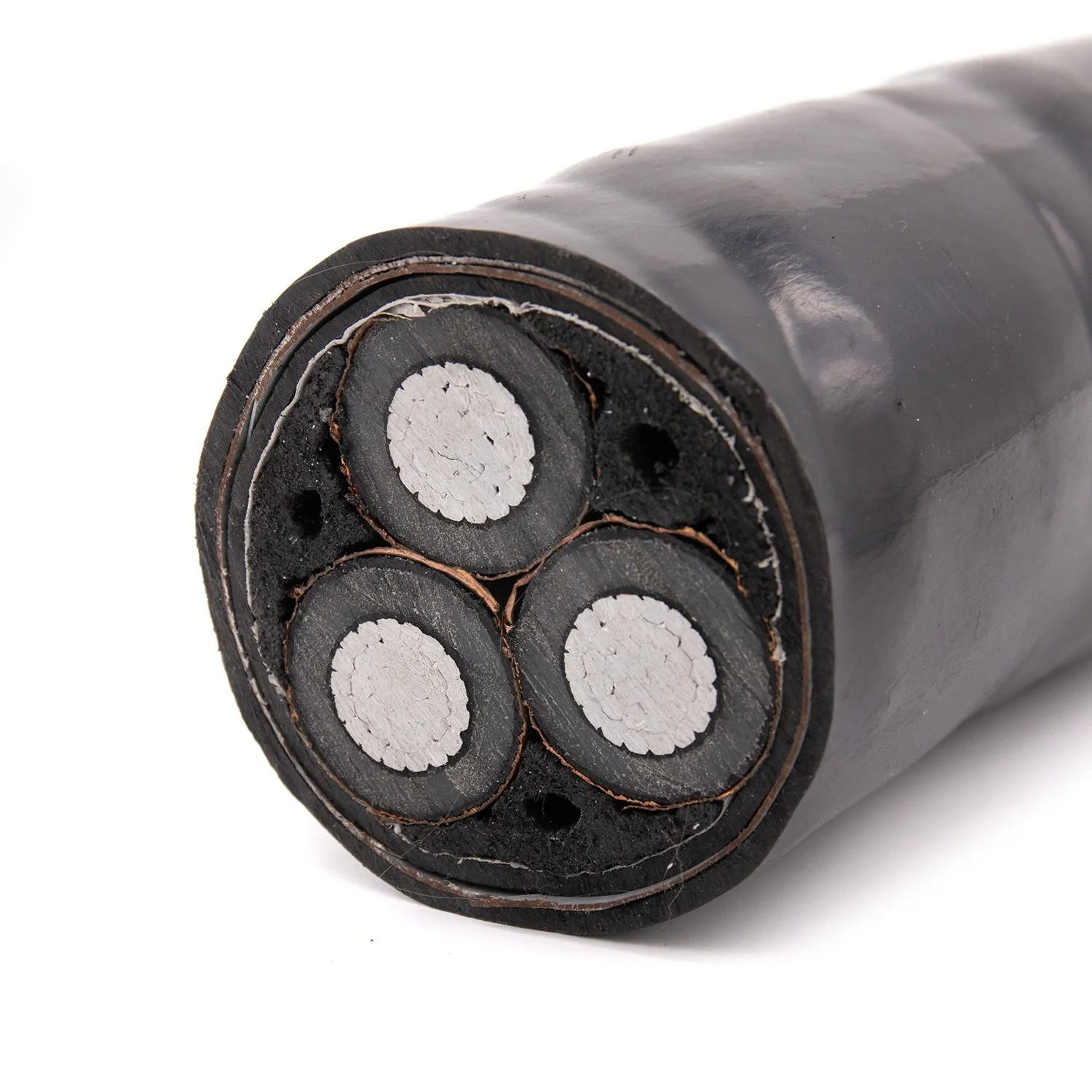
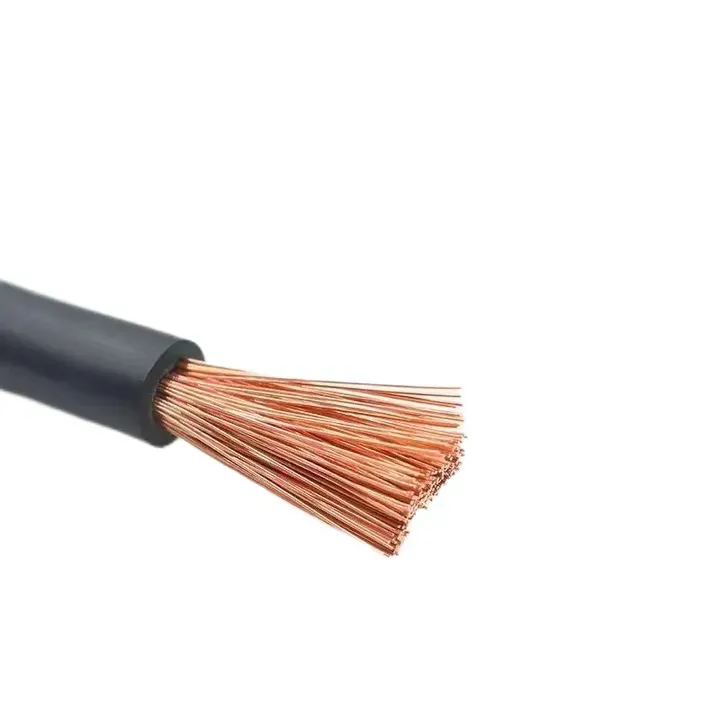
An electrical wire is a slender conductor, typically made of copper or aluminum, designed to carry electric current with minimal resistance. Its primary function is to provide a low-resistance pathway for electrons to flow from a power source to a load, completing the circuit and enabling energy transfer. Wires connect components such as switches, outlets, and appliances, facilitating the distribution of electricity in safe and controlled manners.
In electrical circuits, wires operate based on Ohm's Law (V = IR), where they minimize voltage drop and heat generation by offering low resistance. Live wires deliver power, neutral wires return current to the source, and ground wires provide a safe path for fault currents. This balanced flow prevents overloads and ensures efficient energy delivery.
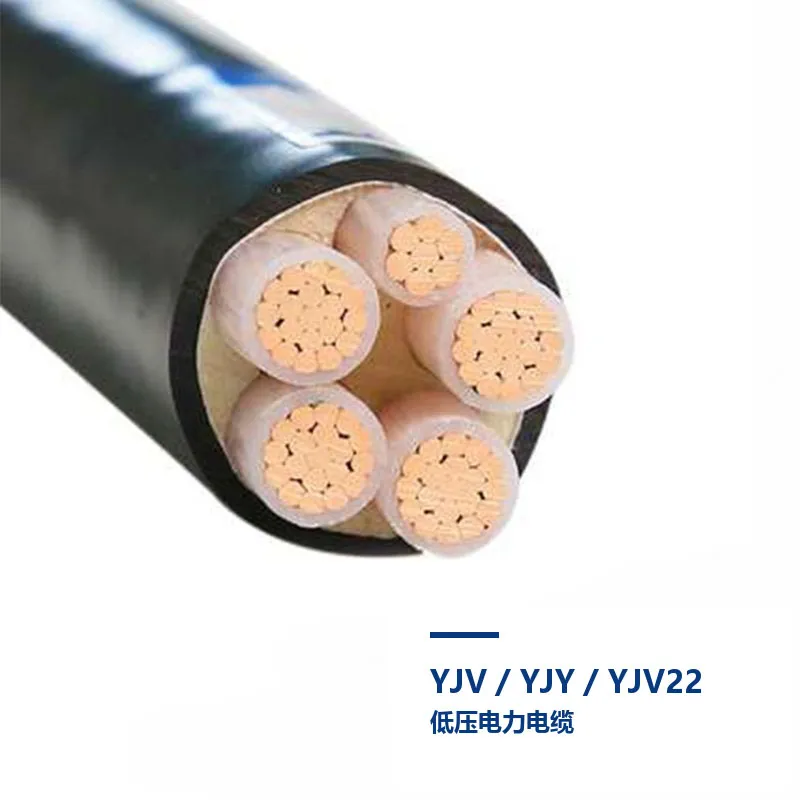
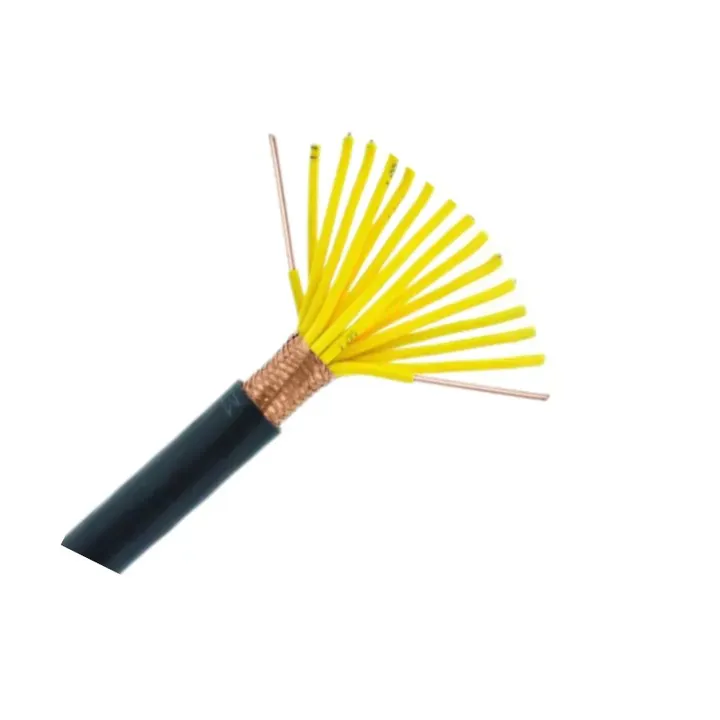
Wires consist of a conductive core surrounded by insulation. The table below summarizes essential elements:
| Component | Description | Common Materials | Function |
|---|---|---|---|
| Conductor | Core material carrying current | Copper, aluminum | Facilitates electron flow with low resistance |
| Insulation | Protective layer preventing leakage | PVC, rubber, XLPE | Ensures electrical isolation and safety |
| Sheathing (optional) | Outer protection in cables | Thermoplastic | Shields from mechanical damage |
Different wires serve specialized roles based on design and application:
Proper wire sizing and insulation prevent overheating, fires, and shocks. Compliance with standards like the National Electrical Code ensures wires handle rated currents without excessive resistance or voltage drop.
Wires enable power distribution in homes, data transmission in telecommunications, and control systems in automation. Their reliable function supports renewable energy integration and electric vehicles.
Electrical wires perform the essential function of conducting current safely and efficiently, forming the backbone of all electrical systems. Understanding their roles promotes informed design and maintenance. For complex installations, consultation with certified professionals is advised.
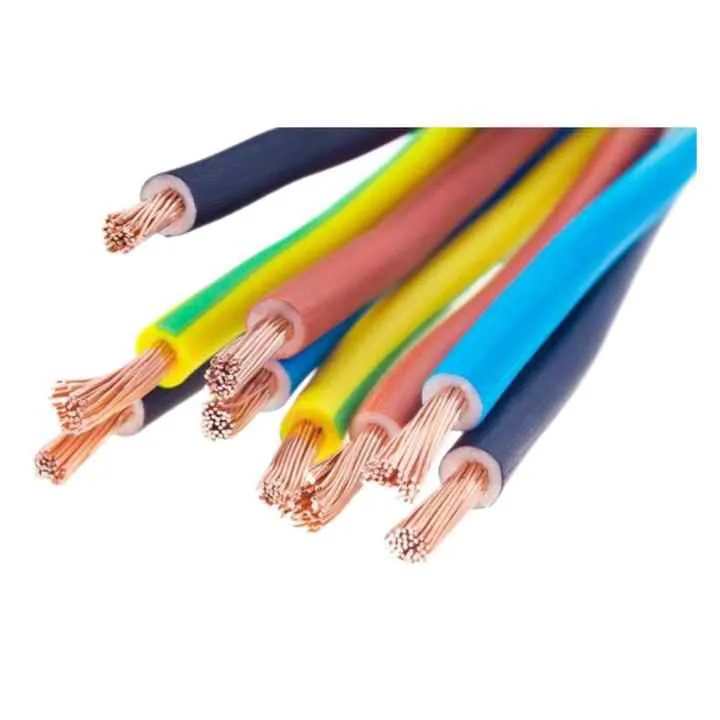
Flexible copper electrical wire with stranded copper conductor, PVC insulation a
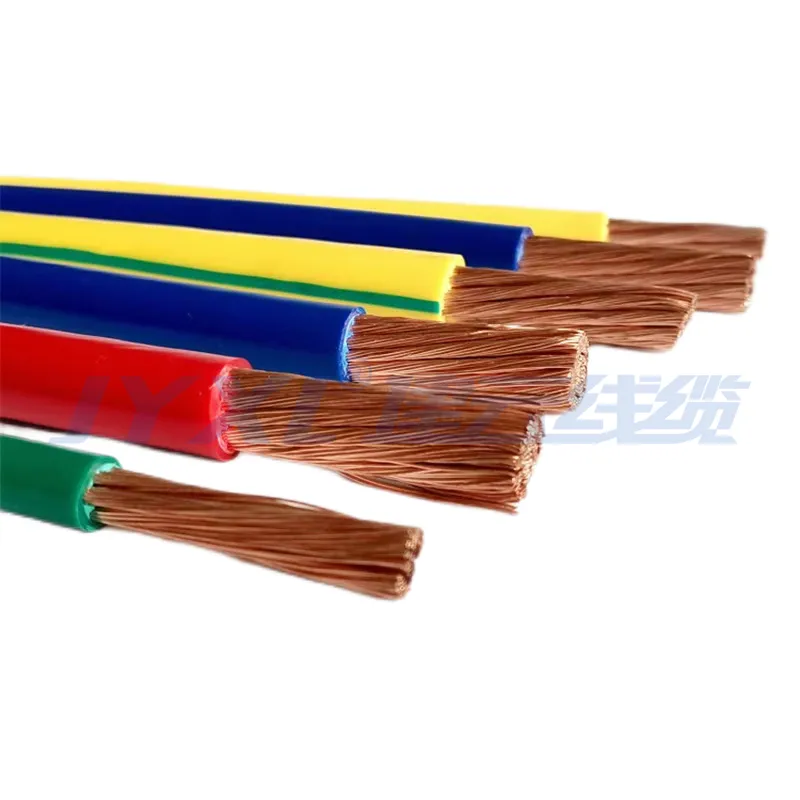
H07V-K flexible electrical wire with 1.5mm² and 2.5mm² stranded copper conductor
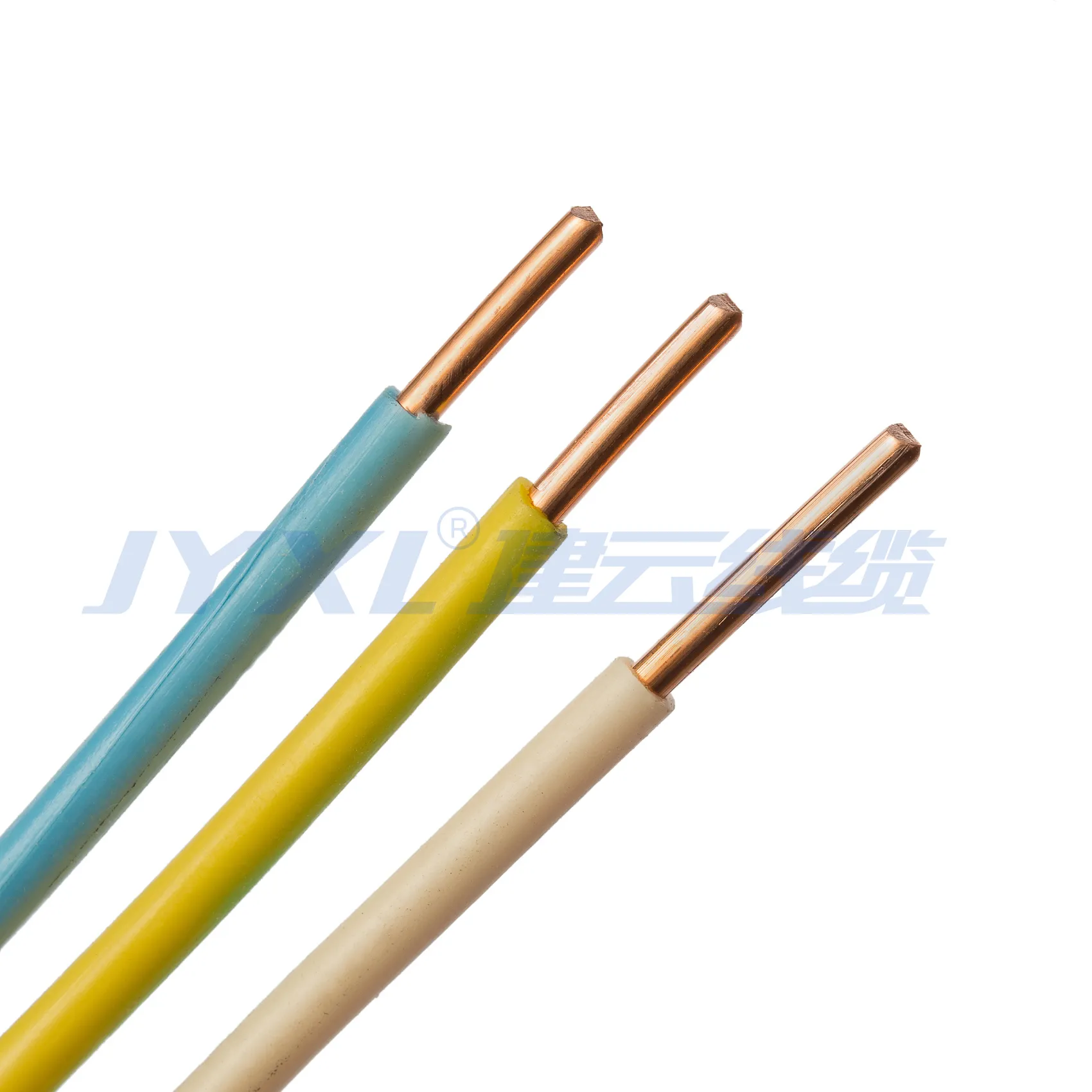
Jianyun H07V-U Solid Copper PVC Wire is a single core rigid electrical wire manu
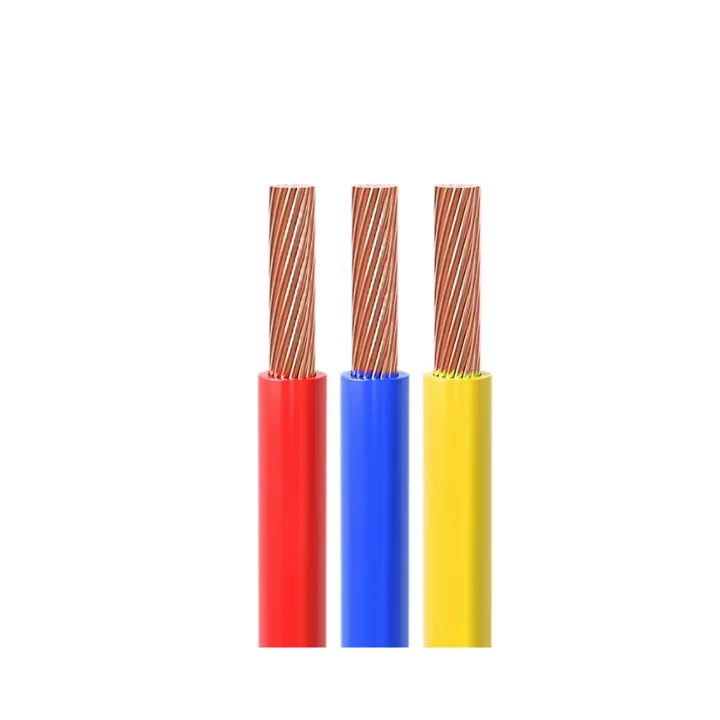
CE Certification 450/750v H07VVF Flexible Copper PVC Insulated Ac Cable 3*2.5 Mm