Keep up to date with our latest company news and relevant industry knowledge.
Time: 2025-11-24 06:45:55 Source: Henan Province Jianyun Cable Co., Ltd.
Imagine electrical wiring as the hidden plumbing of your home – invisible but vital. In the UK, these “pipes” follow some of the most distinctive and safety-focused rules in the world. At the centre is BS 7671 (IET Wiring Regulations, 18th Edition + Amendment 2, continuously updated into 2025). This article explains everything clearly – especially the uniquely British “ring circuit”.
BS 7671 is the UK’s legally enforceable national code for electrical installations up to 1000 V AC or 1500 V DC. It is backed by the Electricity at Work Regulations 1989 and Part P of the Building Regulations. Supporting standards include IEC 60364, BS EN 50575 (CPR fire performance), and mandatory UKCA/CE marking.
Cable size is calculated based on current, voltage drop, installation method, and ambient temperature. The most common domestic cable is PVC twin & earth (T&E).
| Circuit Type | Cable Size | Breaker Rating | Max Floor Area / Points | Typical Use |
|---|---|---|---|---|
| Lighting | 1.0 – 1.5 mm² | 6 A | Max 10 points | Indoor lighting circuits |
| Ring Final Circuit (Ring Main) | 2.5 mm² | 32 A | 100 m² / Unlimited 13 A sockets | General power outlets |
| Radial Socket Circuit (small) | 2.5 mm² | 20 A | 75 m² | Bedrooms, small rooms |
| Radial Socket Circuit (large) | 4.0 mm² | 32 A | 100 m² | Kitchens, utility rooms |
| Cooker / Electric Shower | 6.0 mm² or larger | 32–50 A | Dedicated circuit | Ovens, showers, high-power appliances |
Older installations may still have red (live) and black (neutral) – always label clearly when working on mixed systems.
Born after World War II due to copper shortages, the ring final circuit allows a 2.5 mm² cable to safely carry up to 32 A by feeding power from both ends of the loop. This clever design saves ~20% copper compared to equivalent radial systems while supplying an entire floor with unlimited 13 A sockets.
Key advantages:
Radial circuits remain popular for kitchens, garages, and high-power loads where fault-finding simplicity is preferred.
UK electrical standards blend post-war ingenuity with modern safety. Whether you love or debate the ring circuit, following BS 7671 keeps homes safe, insurance valid, and opens access to one of Europe’s most demanding markets.
Need cables that fully meet BS 7671 and UKCA standards? Contact Henan Province Jianyun Cable Co., Ltd. for competitive pricing and expert technical support.
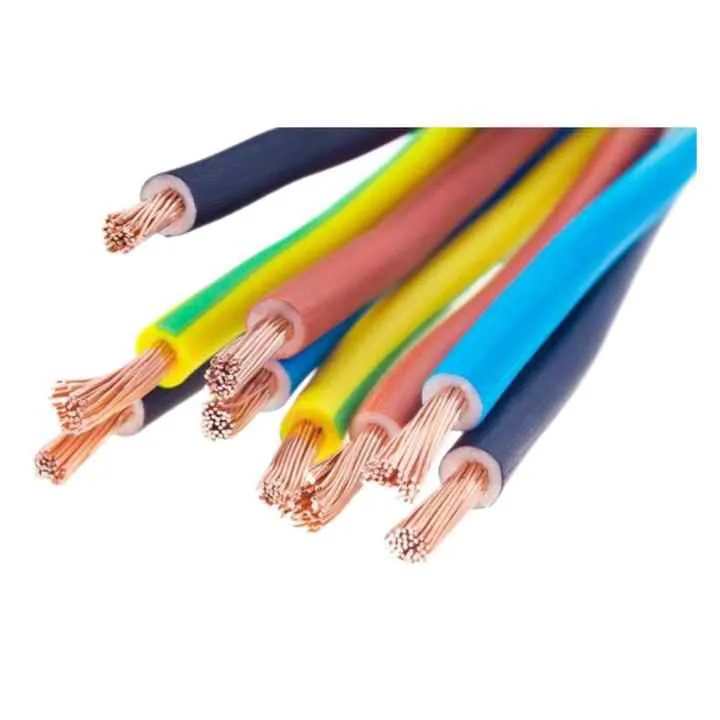
Flexible copper electrical wire with stranded copper conductor, PVC insulation a
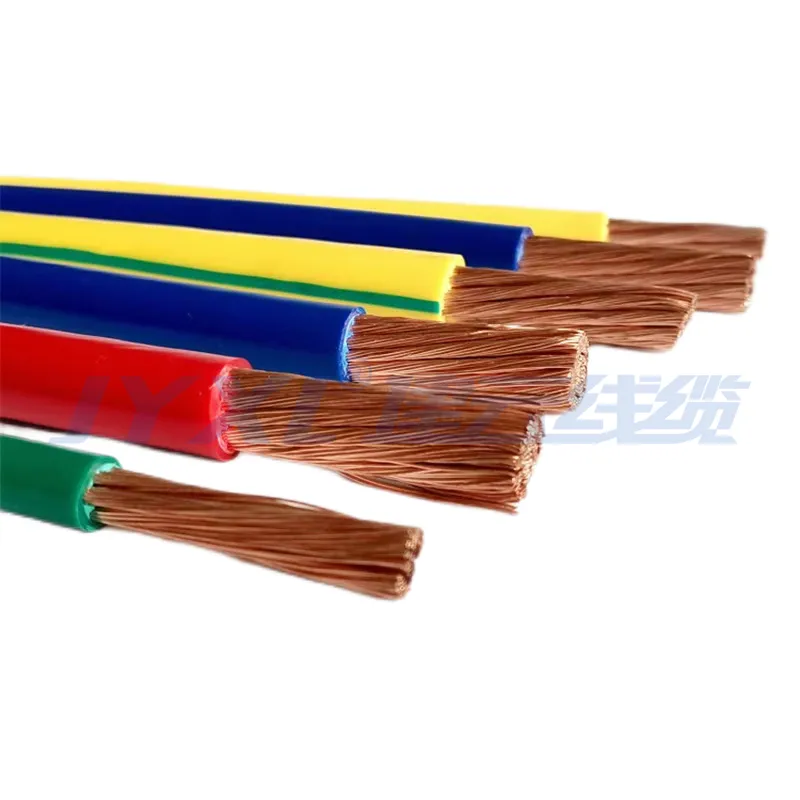
H07V-K flexible electrical wire with 1.5mm² and 2.5mm² stranded copper conductor
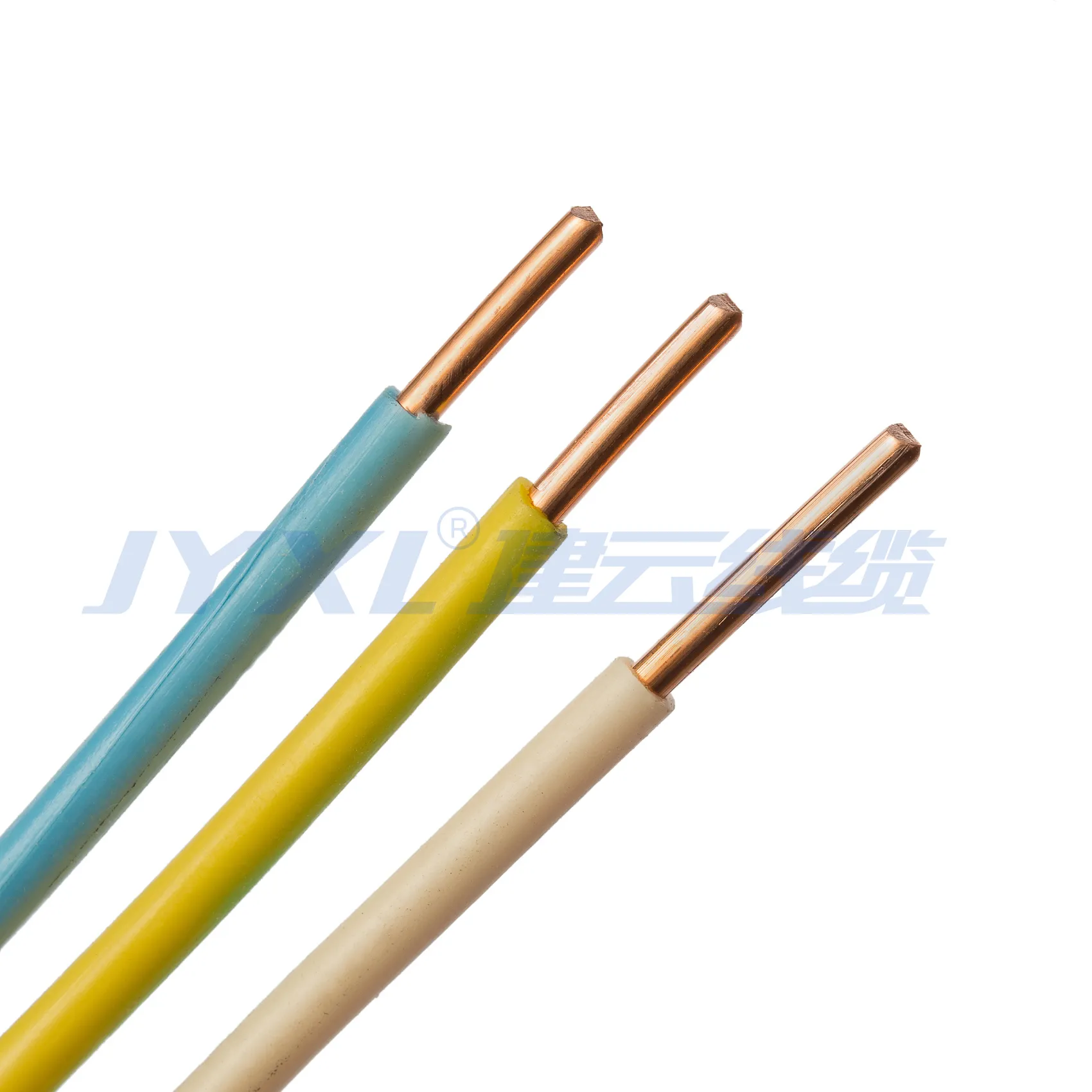
Jianyun H07V-U Solid Copper PVC Wire is a single core rigid electrical wire manu
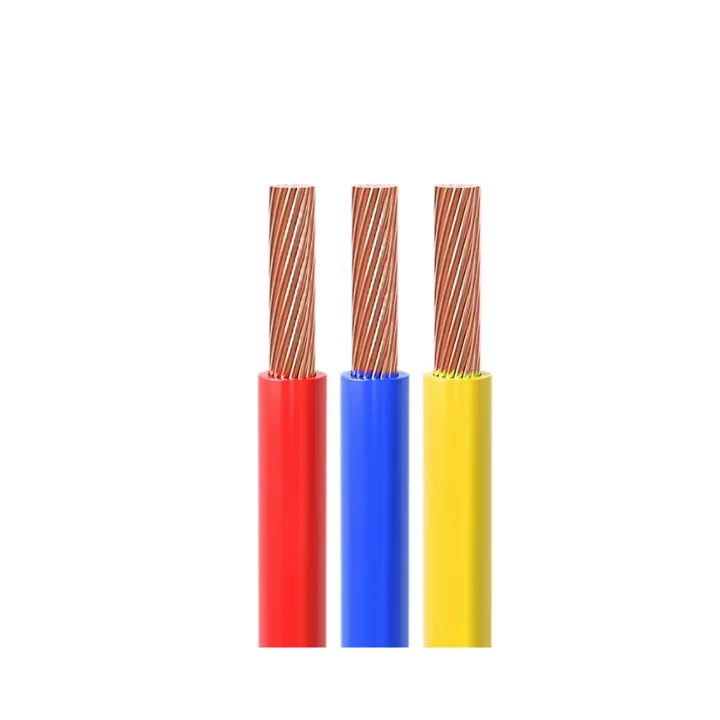
CE Certification 450/750v H07VVF Flexible Copper PVC Insulated Ac Cable 3*2.5 Mm