Keep up to date with our latest company news and relevant industry knowledge.
Time: 2026-06-30 10:47:30 Source: Henan Province Jianyun Cable Co., Ltd.
Author: Jianyun Cable
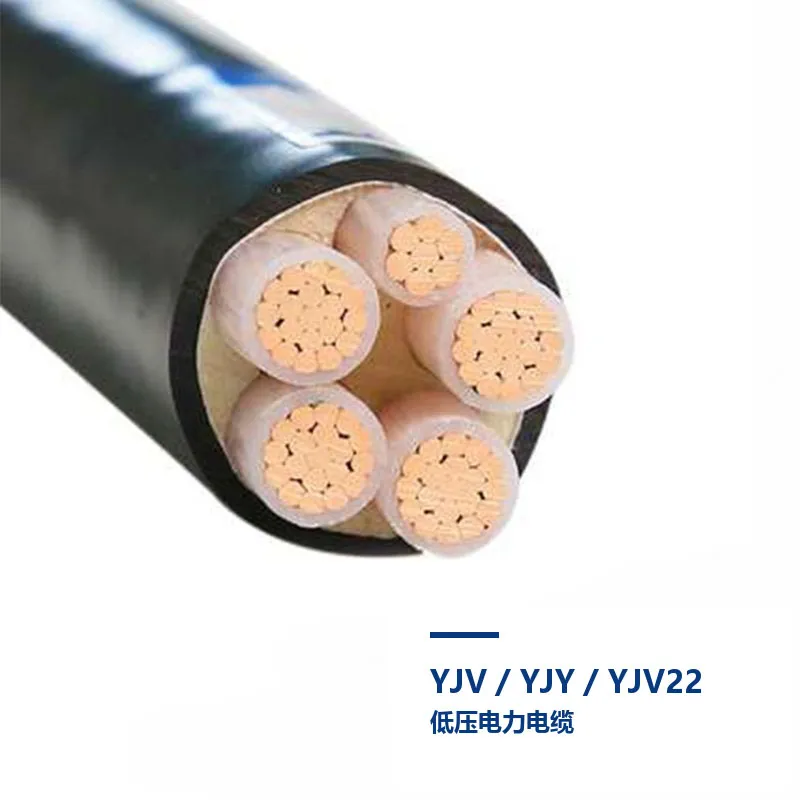
Low power cable is widely used in electrical distribution systems operating up to 0.6/1kV. It delivers stable power transmission for residential buildings, commercial facilities, industrial plants, and utility infrastructure while offering a practical and cost-effective solution for fixed installations.
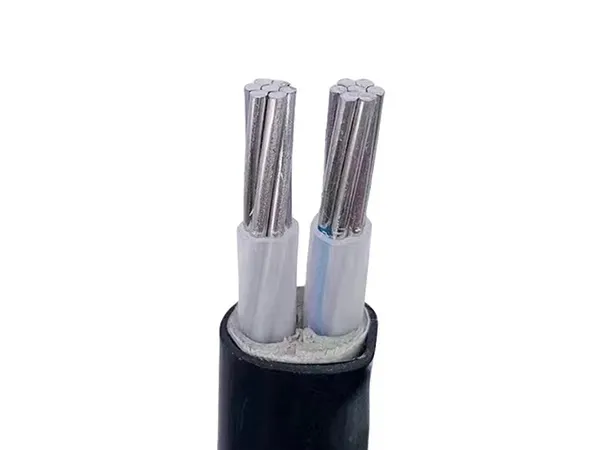
Jianyun Cable's 0.6/1kV AL/PVC/PVC Cable features an aluminum conductor with PVC insulation and PVC outer sheath, providing reliable performance for a wide range of low-voltage applications.
Product Link:
https://www.jianyuncable.com/low-voltage-power-cable/al-pvc-pvc-cable.html
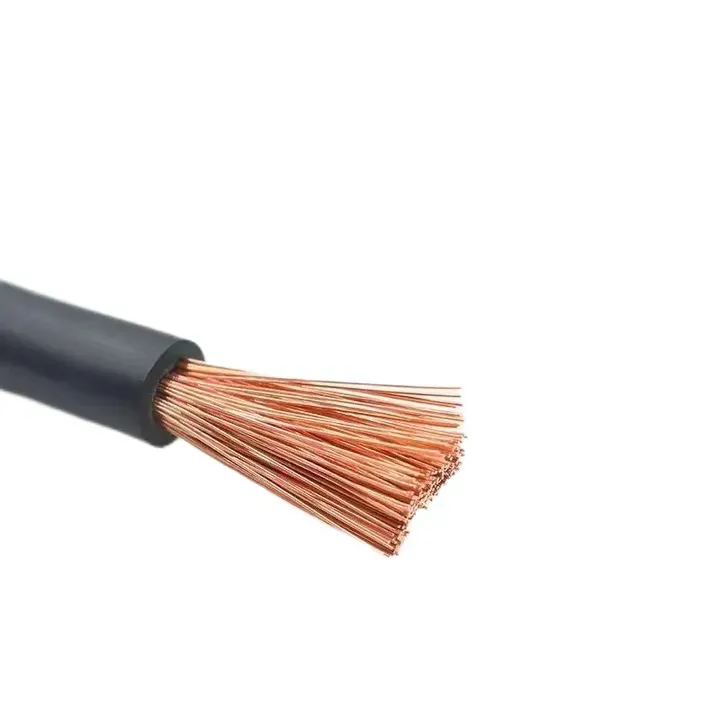
Low power cable is designed for electrical systems with rated voltages up to 1kV. It commonly consists of an aluminum or copper conductor, PVC insulation, and a protective PVC sheath, making it suitable for fixed power distribution installations.
| Component | Function |
|---|---|
| Aluminum Conductor | Lightweight and economical power transmission |
| PVC Insulation | Reliable electrical insulation |
| PVC Outer Sheath | Moisture and environmental protection |
| Compact Design | Easy installation and handling |
| Advantage | Benefit |
|---|---|
| Cost Effective | Aluminum reduces project costs |
| Lightweight | Easier transportation and installation |
| Reliable Insulation | Stable electrical performance |
| Easy Installation | Suitable for fixed wiring systems |
| Long Service Life | Lower maintenance requirements |
Low power cable is commonly used in:
Residential buildings
Commercial facilities
Industrial plants
Underground distribution
Cable trays
Utility substations
Infrastructure projects
| Feature | Aluminum Cable | Copper Cable |
|---|---|---|
| Weight | Lighter | Heavier |
| Cost | Lower | Higher |
| Conductivity | Good | Excellent |
| Installation | Easier for large projects | Common for smaller systems |
| Factor | Recommendation |
|---|---|
| Voltage Rating | Match system requirements |
| Conductor Material | Aluminum or copper |
| Installation Method | Indoor, outdoor, tray, or underground |
| Environment | Consider moisture and temperature |
| Standards | Verify IEC or project specifications |
https://www.jianyuncable.com/low-voltage-power-cable/al-pvc-pvc-cable.html
Suitable for:
Building power distribution
Industrial facilities
Commercial projects
Utility substations
Infrastructure construction
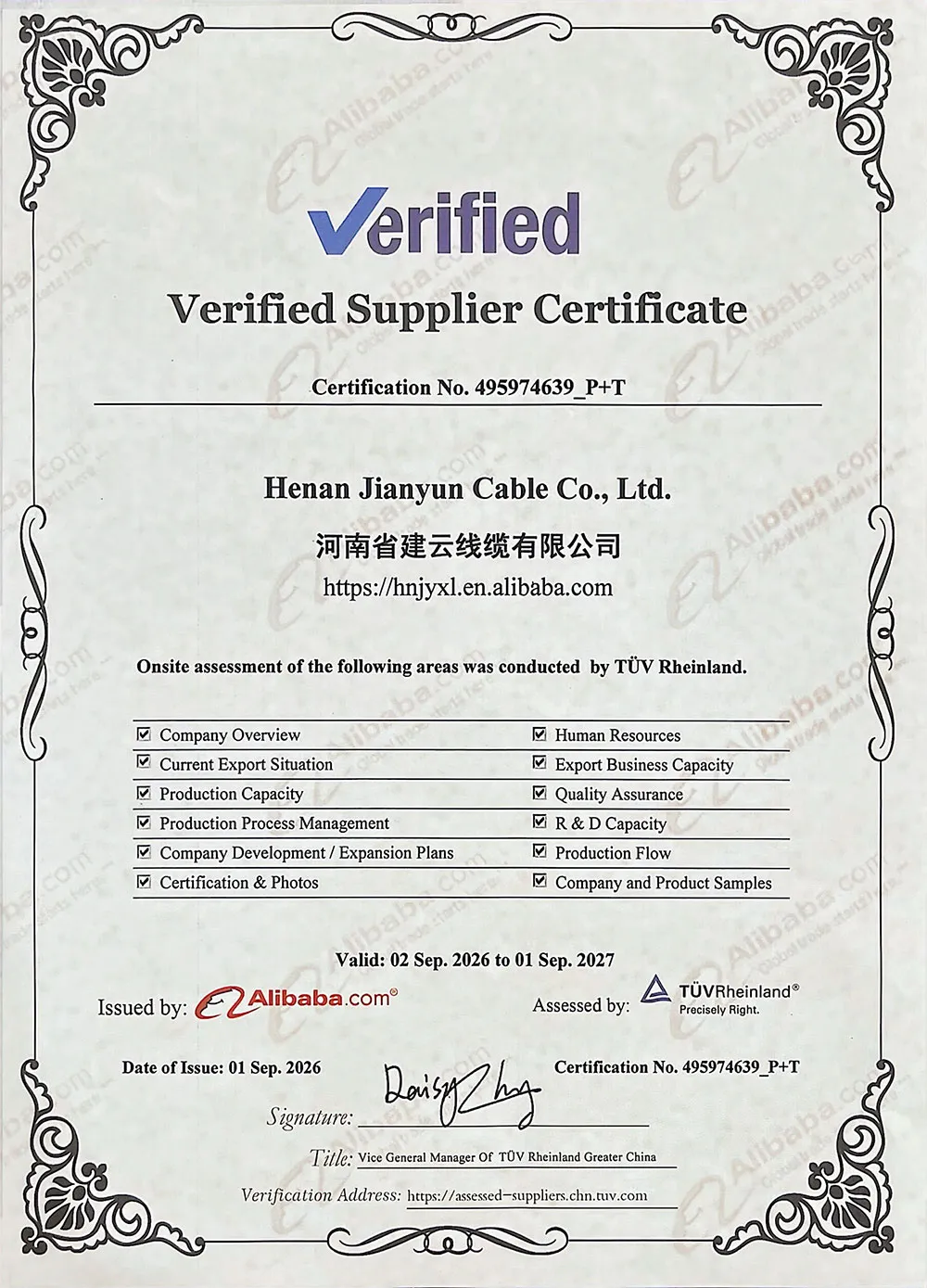
Jianyun Cable manufactures high-quality low power cable solutions for electrical distribution projects worldwide. The company focuses on stable product quality, international manufacturing standards, and reliable long-term performance for industrial and commercial applications.
Low power cable is an economical and dependable solution for modern electrical distribution systems. With its lightweight aluminum conductor, durable PVC insulation, and protective outer sheath, Jianyun Cable's AL/PVC/PVC Cable delivers safe and efficient power transmission for a wide variety of applications.
Request a Quote Today:
https://www.jianyuncable.com/low-voltage-power-cable/al-pvc-pvc-cable.html
Low power cable is used for electrical distribution in residential, commercial, industrial, and utility power systems operating up to 1kV.
Aluminum conductor cables are lightweight, cost-effective, and widely used for large-scale electrical distribution projects where installation efficiency and project cost are important.
It is suitable for fixed installations indoors, outdoors, cable trays, underground, substations, and industrial facilities where there is no significant risk of mechanical damage.
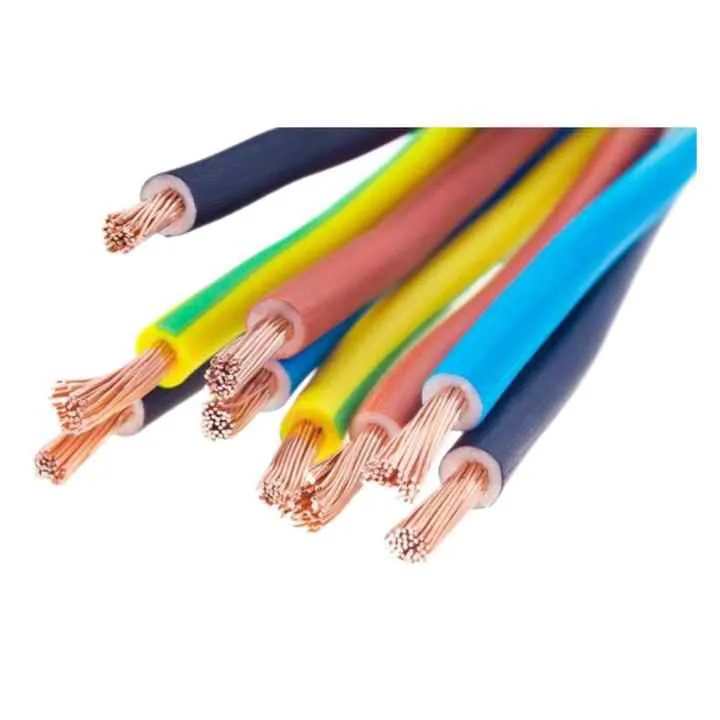
Flexible copper electrical wire with stranded copper conductor, PVC insulation a
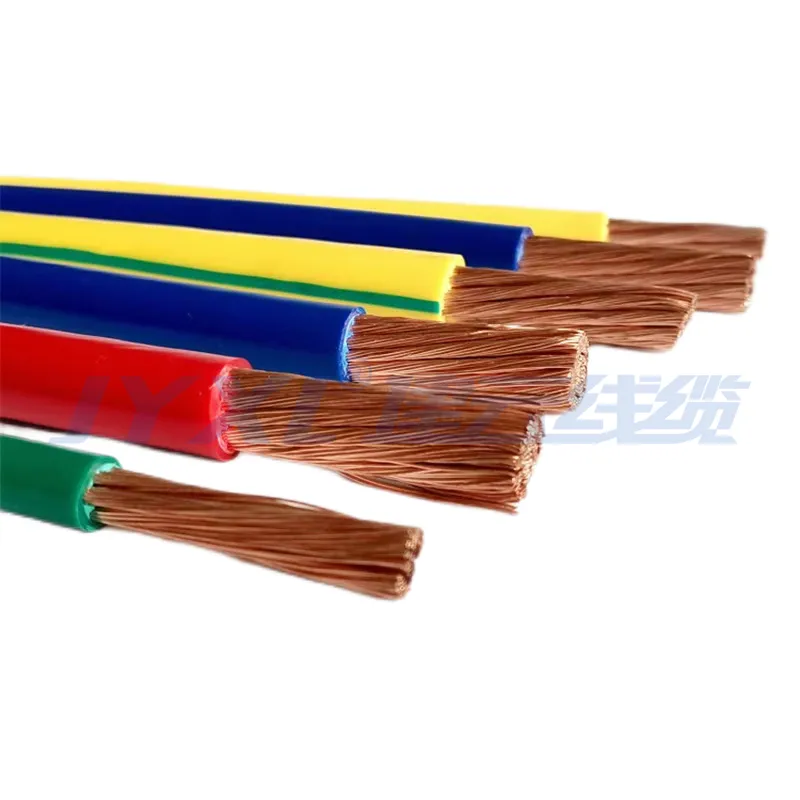
H07V-K flexible electrical wire with 1.5mm² and 2.5mm² stranded copper conductor
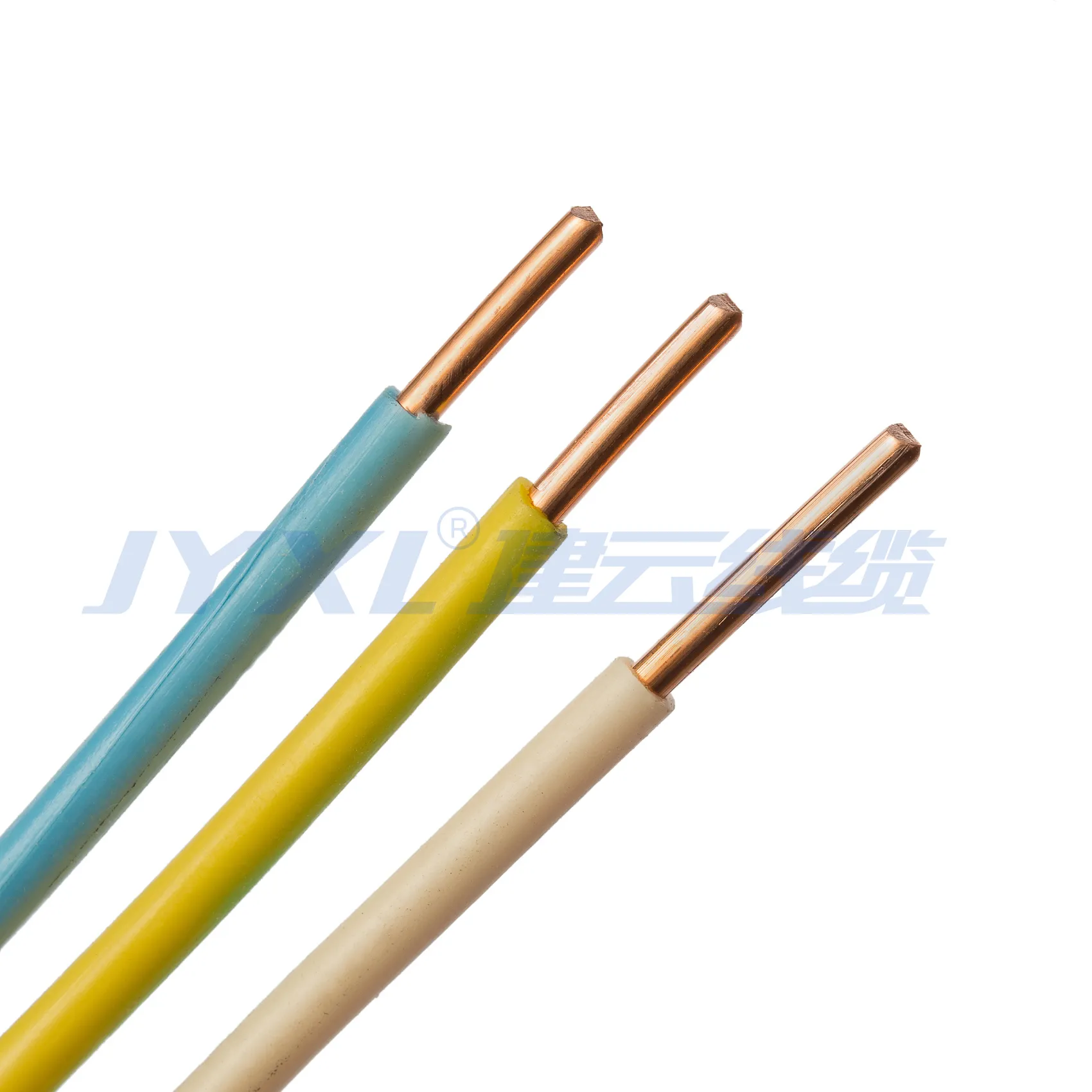
Jianyun H07V-U Solid Copper PVC Wire is a single core rigid electrical wire manu
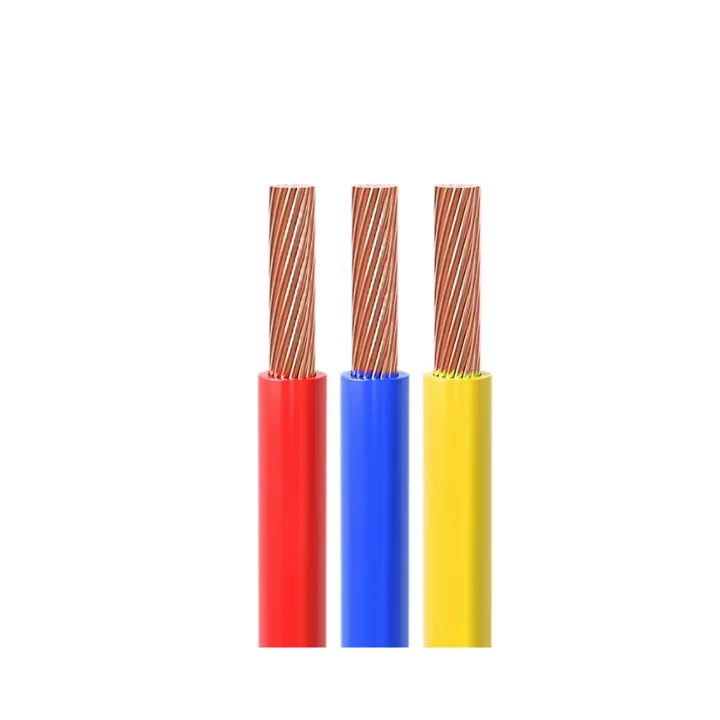
CE Certification 450/750v H07VVF Flexible Copper PVC Insulated Ac Cable 3*2.5 Mm