Keep up to date with our latest company news and relevant industry knowledge.
Time: 2025-12-02 06:56:25 Source: Henan Province Jianyun Cable Co., Ltd.
Brazil's tropical environment – with soaring temperatures, high humidity, and frequent storms – poses unique challenges for electrical installations, demanding cables that withstand heat-induced derating and moisture without compromising safety. The NBR 5410, Brazil's national standard for low-voltage electrical installations, addresses these head-on, providing guidelines for resilient cable selection. Updated in recent revisions (with ongoing 2025 alignments for renewables and public infrastructure), NBR 5410 ensures protection against shocks, overloads, and fires. This guide highlights tropical-specific cable considerations, aiding engineers, installers, and exporters in Brazil's $15B+ market.
NBR 5410, published by ABNT (Brazilian Association of Technical Standards), sets minimum safety requirements for low-voltage systems up to 1000V AC/1500V DC in buildings and similar structures. It covers design, erection, verification, and maintenance, emphasizing protection in harsh conditions. Legally referenced in NR-10 (electrical safety at work), it mandates INMETRO certification for components. 2025 revisions expand to public road installations and enhance tropical resilience, aligning with IEC 60364 while adapting to Brazil's climate.
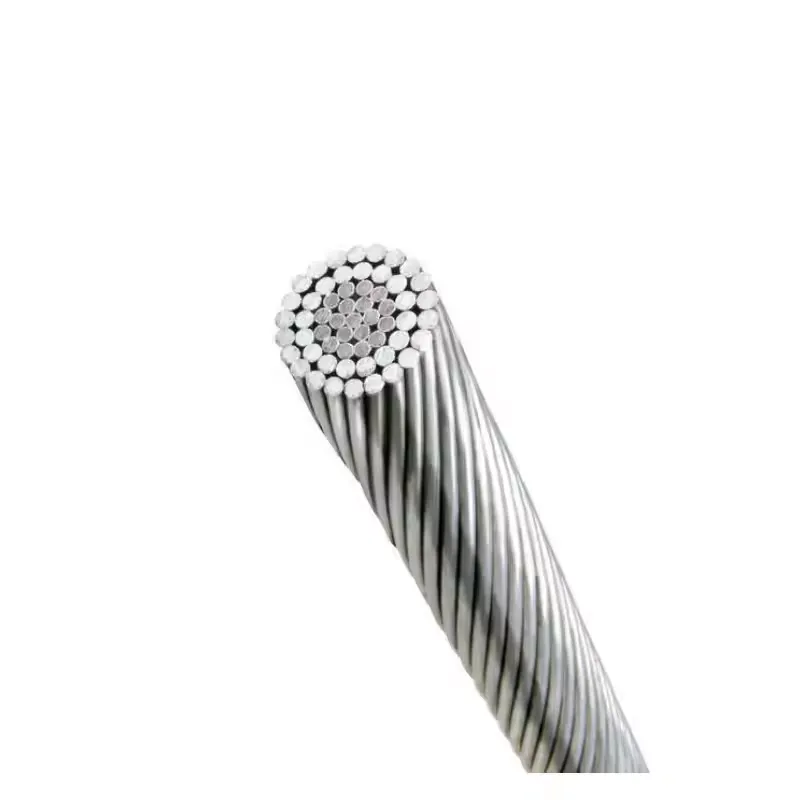
In Brazil's tropics (ambient up to 40°C, humidity 80%+), NBR 5410 requires derating ampacity by 0.82 for PVC cables above 30°C, preventing overheating and voltage drops. Select moisture-resistant XLPE/PVC sheaths to combat corrosion; UV-stabilized for outdoor use. Seismic zones (e.g., Northeast) demand flexible, stranded conductors. Fire-rated cables (FR) mandatory in high-rises; humidity tests ensure insulation integrity (>100 MΩ/km). Oversize by 20% for future loads – vital in humid, heat-stressed environments to avoid faults.
Section 6 mandates sizing via ampacity tables (e.g., Table 36 for PVC), factoring derating (K=0.82 at 40°C), voltage drop (max 4%), and method (conduit/buried). Minimum 1.5 mm² for lighting; use copper for reliability in tropics.
| Circuit Type | Cable Size (mm²) | Ampacity (30°C) | Derated (40°C) | Typical Use |
|---|---|---|---|---|
| Lighting | 1.5 | 17.5 A | 14.4 A | Indoor lights |
| Socket-Outlets | 2.5 | 24 A | 19.7 A | General plugs |
| Kitchen/High-Load | 4.0 | 32 A | 26.2 A | Ovens, appliances |
| Air Conditioning | 6.0 | 41 A | 33.6 A | Tropical cooling units |
| Earth (PE) | Min 2.5 | N/A | N/A | Grounding |
Per Section 6.2.10, harmonized with IEC: Brown (phase), blue (neutral), green/yellow (PE). Multi-phase: Brown (L1), black (L2), grey (L3). Full-length coloring; markings for legacy systems. Ensures fault identification in humid conditions.
Section 8 requires radial circuits, conduits for walls (<50 mm deep protected), and 30 mA DRCs for sockets/bathrooms. Tropical adaptations: Waterproof glands, elevated conduits against flooding. TT/TN-S earthing; separation from pipes 300 mm. 2025: Enhanced EV provisions.
Section 6.11 mandates flame-retardant cables (IEC 60332); low-smoke in public areas. XLPE/CV for heat resistance; bundle tests limit propagation. In tropics, humidity-resistant FR cables reduce short risks by 35%.
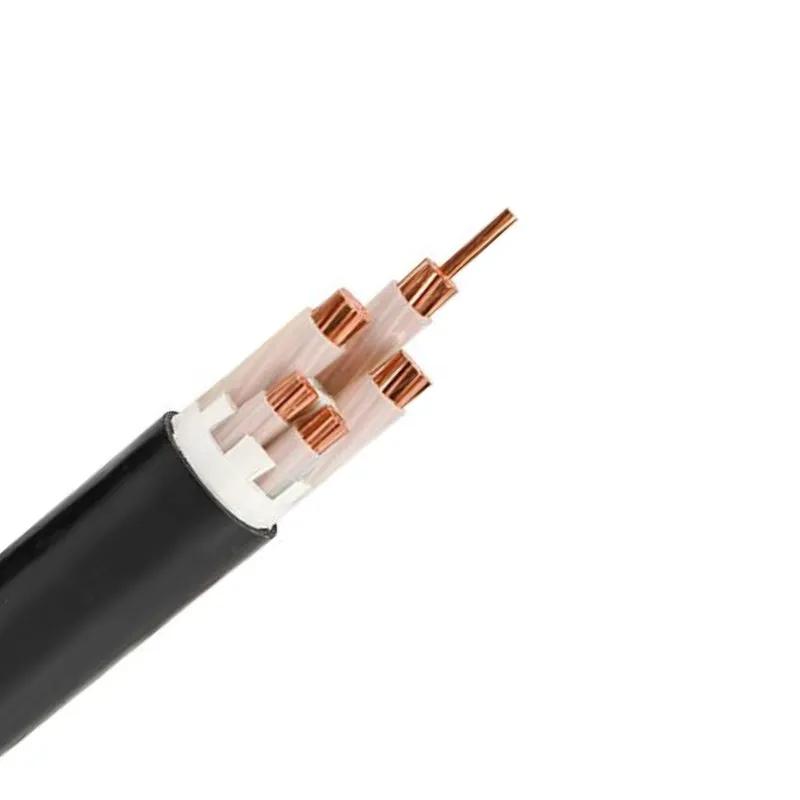
NBR 5410's tropical tweaks – from derating to moisture-proofing – safeguard Brazil's vibrant grids against heat and humidity. Selecting resilient cables isn't just compliance; it's resilience in the rainforest heartland. For Brazil's growing renewables, master these for safe, sustainable power.
Need NBR 5410-compliant cables for tropical use? Contact Henan Province Jianyun Cable Co., Ltd. for tailored solutions and quotes.
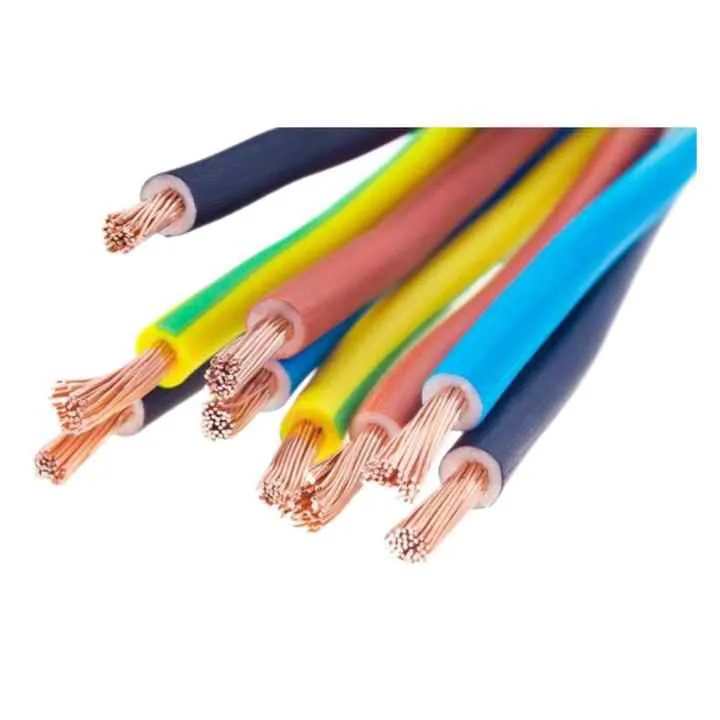
Flexible copper electrical wire with stranded copper conductor, PVC insulation a
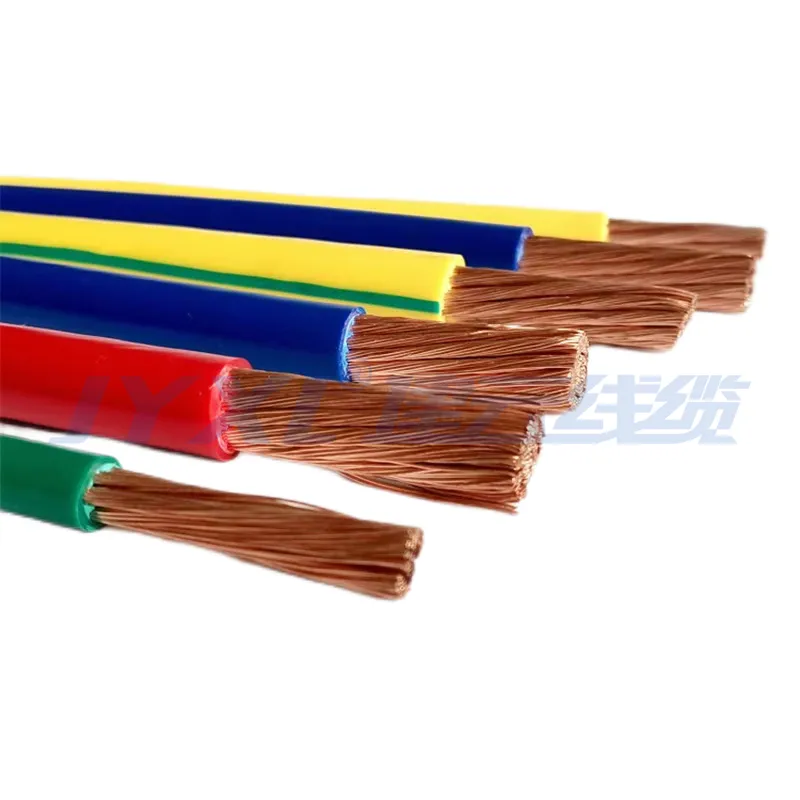
H07V-K flexible electrical wire with 1.5mm² and 2.5mm² stranded copper conductor
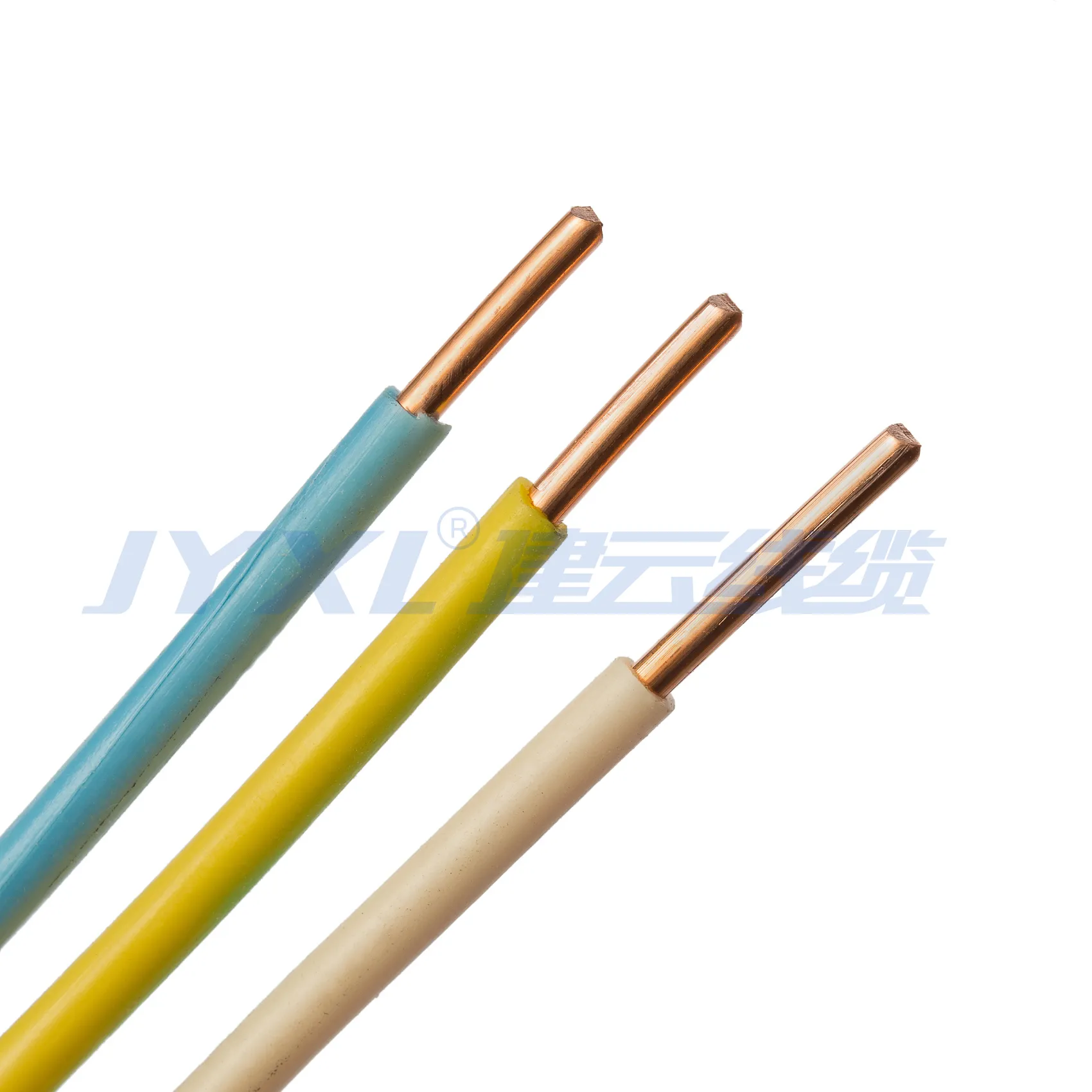
Jianyun H07V-U Solid Copper PVC Wire is a single core rigid electrical wire manu
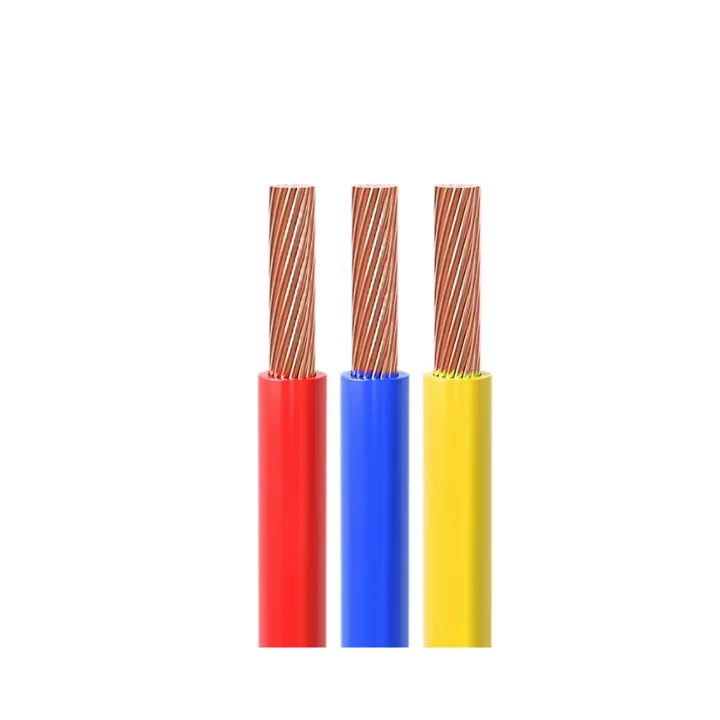
CE Certification 450/750v H07VVF Flexible Copper PVC Insulated Ac Cable 3*2.5 Mm