Keep up to date with our latest company news and relevant industry knowledge.
Time: 2026-07-29 08:57:42 Source: Henan Province Jianyun Cable Co., Ltd.
Author: Jianyun Cable
Bare conductor is widely used in overhead transmission and distribution systems where electrical efficiency, mechanical strength, long-span performance, and outdoor durability are essential. Unlike insulated cables, a bare conductor does not include an external insulation layer or protective jacket. It is installed on poles or transmission towers with suitable insulators and safety clearances.
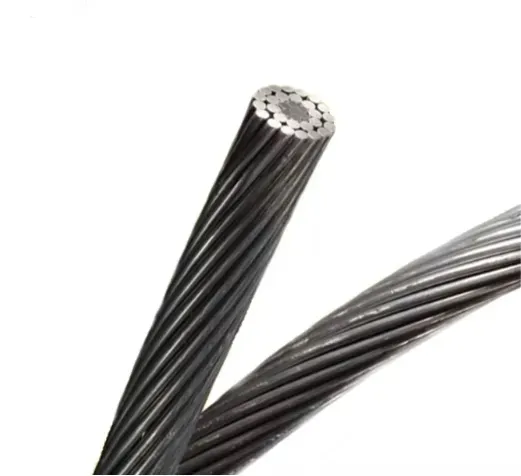
Different bare conductor structures are available for different operating conditions. AACSR, or Aluminum Alloy Conductor Steel Reinforced, combines conductive aluminum alloy wires with a high-strength steel core. This construction provides a practical balance between current-carrying capacity, tensile strength, sag control, and resistance to demanding mechanical loads.
Jianyun Cable supplies NF C34-125 AACSR bare conductor for river crossings, long-span transmission lines, heavy-ice areas, overhead ground wires, and other power transmission projects requiring greater mechanical strength.
Recommended Bare Conductor:
NF C34-125 AACSR Bare Conductor from Jianyun CableA bare conductor is an electrical conductor manufactured without an insulating covering. It is mainly used for overhead power transmission, distribution lines, substation busbars, grounding systems, railway networks, and industrial power systems.
Because the conductor is exposed to the surrounding air, the installation must maintain safe clearance from the ground, buildings, vegetation, and other conductors. The supporting insulators and line design provide the necessary electrical isolation.
Common bare conductor types include AAC, AAAC, ACSR, and AACSR. Each structure offers a different balance of conductivity, mechanical strength, corrosion resistance, weight, and sag performance.
AACSR stands for Aluminum Alloy Conductor Steel Reinforced. It is a concentrically stranded overhead conductor manufactured with one or more layers of aluminum alloy wires surrounding a high-strength steel core.
The aluminum alloy section carries electrical current and contributes mechanical strength. The central steel section provides additional tensile strength for long spans, river crossings, heavy loading conditions, and installations where sag control is important.
The proportion of aluminum alloy and steel can be adjusted according to the required relationship between current capacity and mechanical performance.
| Component | Function |
|---|---|
| 6201-T81 aluminum alloy wires | Carry electrical current while providing additional mechanical strength |
| High-strength steel core | Supports tensile loads and reduces excessive sag on long spans |
| Concentric stranded construction | Creates a stable and balanced overhead conductor |
| Galvanized or aluminum-clad core options | Provide different levels of corrosion protection |
| Optional protective grease | Improves corrosion protection in demanding environments |
| Advantage | Practical Benefit |
|---|---|
| High tensile strength | Suitable for long spans and high mechanical loads |
| Good current-carrying capacity | Supports efficient overhead power transmission |
| Improved sag performance | Helps maintain conductor clearance over extended spans |
| Strong resistance to mechanical loading | Suitable for wind, ice, and demanding geographical conditions |
| Flexible steel-core options | Allows corrosion protection to match the project environment |
| No insulation layer | Reduces conductor weight and supports efficient heat dissipation |
AACSR bare conductor is commonly selected for overhead electrical projects that require greater mechanical strength than a standard all-aluminum conductor.
| Feature | AACSR | ACSR |
|---|---|---|
| Outer conductor material | Aluminum alloy | Electrical-grade aluminum |
| Core material | High-strength steel | Steel |
| Mechanical strength | High due to aluminum alloy and steel combination | High due primarily to the steel core |
| Typical application | Long spans and demanding mechanical conditions | General overhead transmission and distribution |
| Selection priority | Balance of alloy strength, steel reinforcement, and conductivity | Established general-purpose overhead conductor design |
| Feature | AACSR | AAAC |
|---|---|---|
| Construction | Aluminum alloy wires with steel reinforcement | All-aluminum alloy construction |
| Tensile strength | Higher for demanding long-span applications | Suitable for moderate mechanical loading |
| Corrosion considerations | Depends partly on steel-core coating and protection | No steel core and generally strong corrosion resistance |
| Typical selection | Long spans, river crossings, and heavy loading | Distribution lines and corrosion-sensitive environments |
The steel core is an important part of AACSR bare conductor. Its protective coating should be selected according to humidity, pollution, salt exposure, temperature, and the expected service environment.
| Core Option | Description |
|---|---|
| Class A galvanized steel | Standard zinc-coated steel-core protection |
| Class B galvanized steel | Increased zinc coating for stronger corrosion protection |
| Class C galvanized steel | Heavier coating for more demanding environments |
| Aluminized steel (AZ) | Steel core protected with an aluminum-based coating |
| Aluminum-clad steel (AW) | Combines steel strength with an aluminum outer layer |
| Selection Factor | Recommendation |
|---|---|
| Required current capacity | Select the aluminum alloy area according to the electrical load |
| Span length | Use a higher-strength construction for long river, valley, or road crossings |
| Mechanical loading | Calculate wind, ice, tension, vibration, and installation loads |
| Sag requirement | Confirm that the selected conductor maintains required safety clearances |
| Corrosion environment | Choose the appropriate galvanized, aluminized, or aluminum-clad steel core |
| Operating temperature | Confirm continuous and emergency temperature requirements |
| Applicable standard | Specify NF C34-125, IEC, ASTM, BS, CSA, DIN, or the required project standard |
| Designation | Total Area | Overall Diameter | Resistance at 20°C |
|---|---|---|---|
| PHLOX 116.2 | 116.2mm² | 14.0mm | 0.591Ω/km |
| PHLOX 147.1 | 147.1mm² | 15.75mm | 0.467Ω/km |
| PASTEL 147.1 | 147.1mm² | 15.75mm | 0.279Ω/km |
| PHLOX 181.6 | 181.6mm² | 17.5mm | 0.378Ω/km |
| PASTEL 181.6 | 181.6mm² | 17.5mm | 0.226Ω/km |
| PHLOX 228 | Approximately 227.8mm² | 19.6mm | 0.300Ω/km |
Jianyun Cable provides AACSR bare conductor manufactured with aluminum alloy wires and a high-strength coated steel core. The conductor is designed for overhead transmission projects requiring dependable conductivity, tensile strength, controlled sag, and reliable long-span performance.
Available options include PHLOX and PASTEL conductor designs, different aluminum-to-steel ratios, multiple core coatings, optional corrosion-protection grease, and customized production according to project standards.
View Product Specifications and Request a Quote:
NF C34-125 AACSR Bare Conductor for Overhead TransmissionSuitable for:
Jianyun Cable manufactures bare conductor and electrical cable products for power utilities, transmission contractors, distributors, railway projects, industrial facilities, and infrastructure customers.
Bare conductor is a fundamental component of overhead transmission and distribution infrastructure. For projects involving long spans, heavy mechanical loads, river crossings, or strict sag requirements, AACSR provides a strong combination of aluminum alloy conductivity and steel-core reinforcement.
Jianyun Cable supplies NF C34-125 AACSR bare conductor in multiple PHLOX and PASTEL designs. Conductor size, aluminum-to-steel ratio, core coating, corrosion protection, and technical parameters can be selected according to the electrical and mechanical requirements of each project.
Request Your Bare Conductor Quotation:
Contact Jianyun Cable for NF C34-125 AACSR Bare ConductorA bare conductor is mainly used for overhead transmission lines, distribution networks, substation busbars, grounding systems, railway networks, and industrial power systems.
AACSR means Aluminum Alloy Conductor Steel Reinforced. It consists of aluminum alloy wires concentrically stranded around a high-strength steel core.
AACSR combines the conductivity and mechanical strength of aluminum alloy with the high tensile strength of a steel core. This structure helps control sag and withstand demanding wind, ice, and tension loads.
AACSR uses aluminum alloy wires around the steel core, while conventional ACSR generally uses electrical-grade aluminum wires. The aluminum alloy section gives AACSR additional mechanical strength.
Yes. Steel-core options may include Class A, B, or C galvanized steel, aluminized steel, or aluminum-clad steel. Additional corrosion protection can also be provided with grease.
AACSR conductor can be manufactured according to NF C34-125 and other standards such as ASTM, AS, BS, CSA, DIN, IEC, and SS, depending on project requirements.
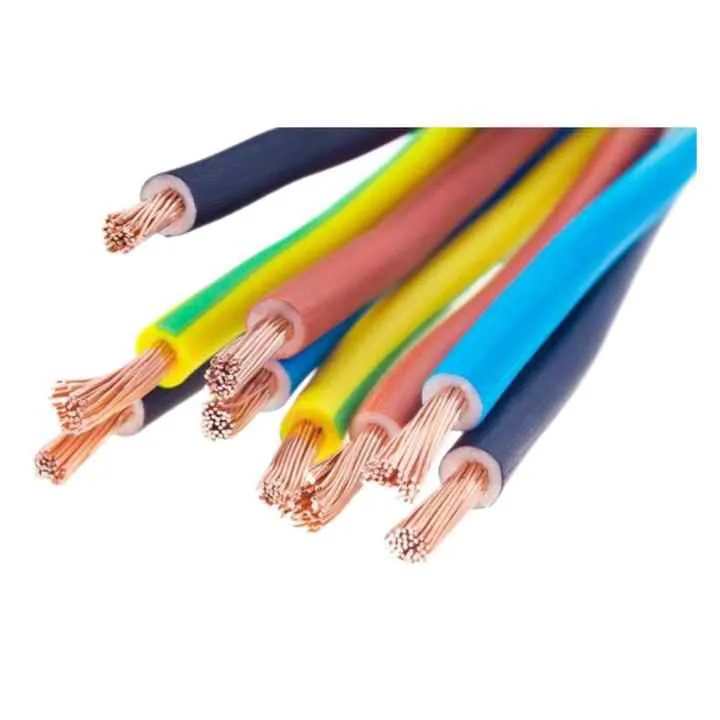
Flexible copper electrical wire with stranded copper conductor, PVC insulation a
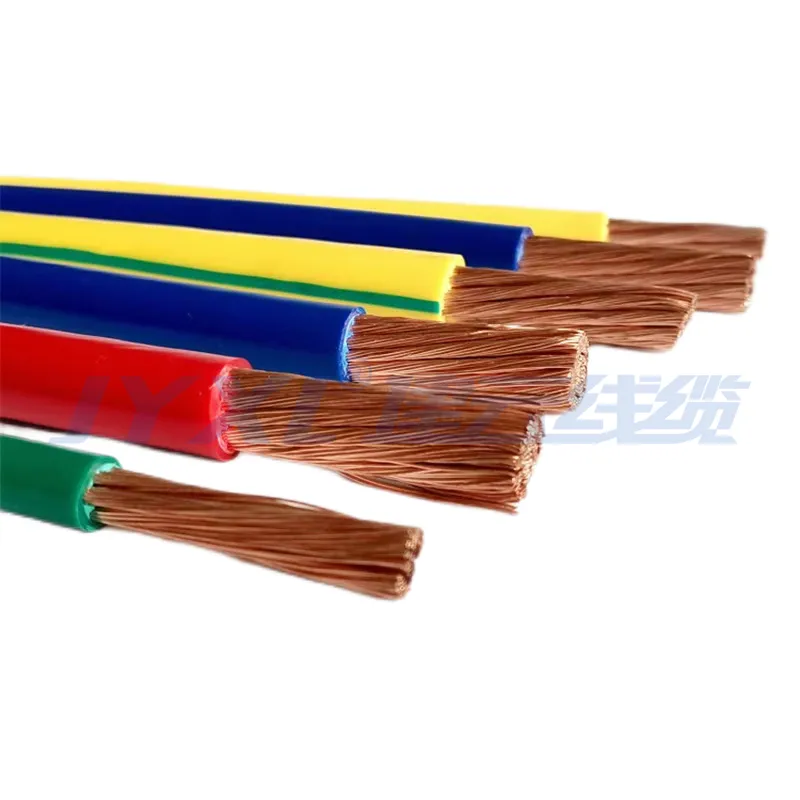
H07V-K flexible electrical wire with 1.5mm² and 2.5mm² stranded copper conductor
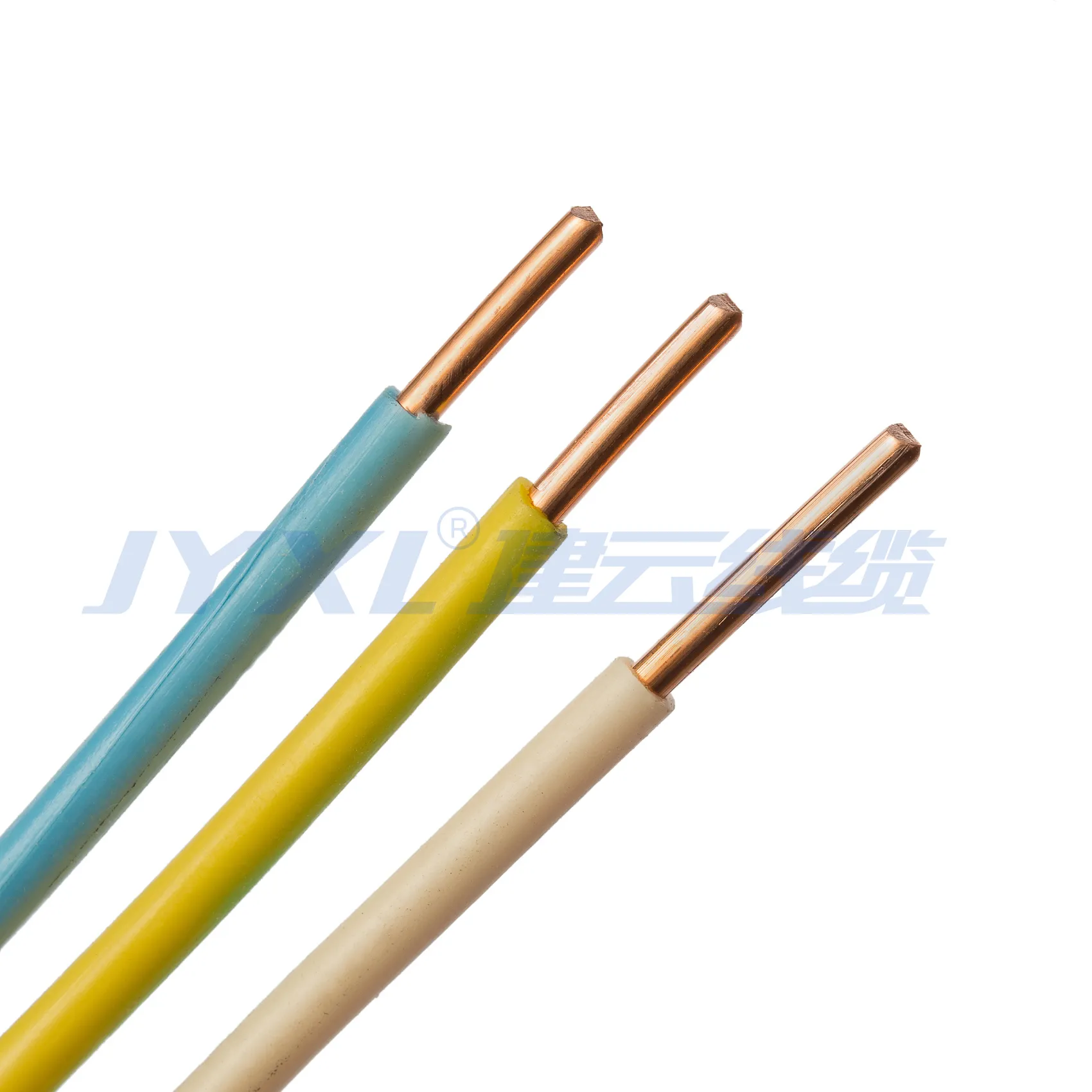
Jianyun H07V-U Solid Copper PVC Wire is a single core rigid electrical wire manu
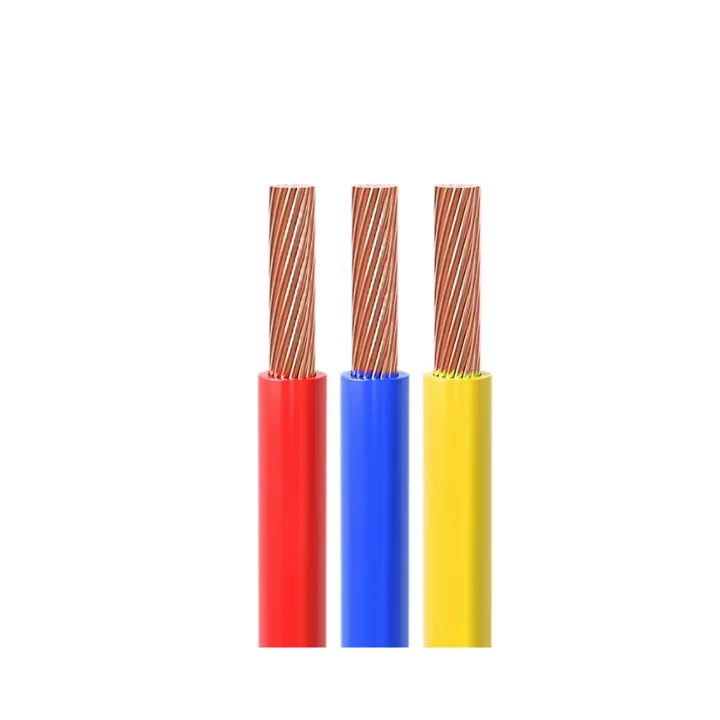
CE Certification 450/750v H07VVF Flexible Copper PVC Insulated Ac Cable 3*2.5 Mm