Keep up to date with our latest company news and relevant industry knowledge.
Time: 2026-05-14 09:25:21 Source: Henan Province Jianyun Cable Co., Ltd.
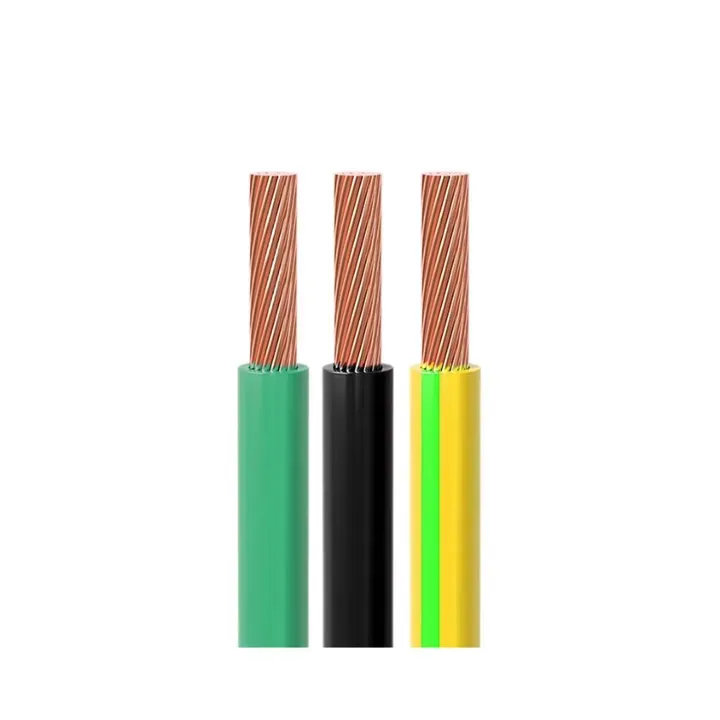
Author: Jianyun Cable
Electric wire is one of the most important components in modern electrical systems. Whether for residential wiring, industrial equipment, commercial buildings, or power distribution, selecting the correct wire helps improve safety, efficiency, and long-term electrical performance.
Today’s electrical projects require wires that can handle stable voltage, safe current transfer, environmental stress, and long service life. From house wiring to industrial installations, choosing the wrong electric wire may increase maintenance costs, reduce efficiency, or even create electrical hazards.
Janyun Cable supplies a wide range of electric wire products designed for household, industrial, and equipment applications. This guide explains the basics of electric wire, how to choose the right type, and why single core copper wire remains a popular solution in many electrical systems.
Electric wire is a conductive material used to transfer electrical current between power sources, equipment, lighting systems, appliances, and electrical networks. Most electric wires are manufactured using copper or aluminum conductors combined with insulation materials such as PVC or PE.
Electric wires are widely used in residential buildings, factories, offices, electrical equipment, construction projects, and infrastructure systems. Depending on the application, wires may vary in conductor type, insulation material, voltage rating, flexibility, and temperature resistance.
Single core electric wire is one of the most common wire structures because of its practical installation performance and stable electrical conductivity.
Electrical systems operate continuously under load, temperature changes, and environmental conditions. Poor-quality wires may create overheating, voltage instability, insulation failure, or fire risks.
High-quality electric wire helps maintain stable current transmission while reducing power loss and improving safety. Reliable insulation materials also help protect the conductor from moisture, abrasion, and environmental damage.
For residential and industrial projects, using certified electric wire is especially important because electrical safety standards are becoming stricter worldwide.
Single core copper wire is widely used for house wiring, electrical installations, lighting systems, and equipment connections. Copper provides excellent conductivity and stable electrical performance.
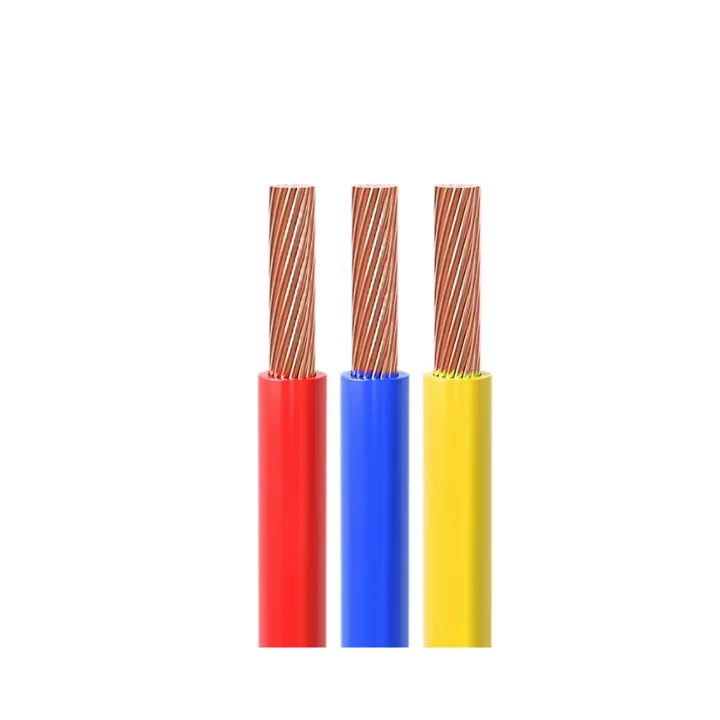
Janyun Cable offers Single Core Copper Wire (BV/BVR, 1.5-6mm, PVC) for indoor electrical systems and fixed wiring applications. The product supports rated voltages such as 450/750V and uses copper conductors with PVC insulation for practical electrical performance. :contentReference[oaicite:0]{index=0}
Flexible electric wires are designed for applications where bending and movement are common. Compared with rigid conductors, flexible wires are easier to install in complex wiring environments.
Products such as Flexible BVR PVC Copper Wire are suitable for house wiring and electrical equipment installations requiring better flexibility. :contentReference[oaicite:1]{index=1}
PVC insulation is commonly used because it offers electrical insulation, durability, and cost efficiency. PVC insulated wires are widely applied in homes, buildings, and industrial systems.
Janyun Cable’s BV Single-Core Copper Electrical Wire is designed for civil electricity and building wire applications with PVC insulation and copper conductors. :contentReference[oaicite:2]{index=2}
Copper remains one of the most widely used conductor materials because it offers strong electrical conductivity. This allows efficient current transmission with relatively low resistance.
Lower resistance can help reduce power loss and improve electrical efficiency in wiring systems.
Copper conductors provide stable mechanical performance and reliable long-term operation. In electrical systems requiring stable wiring and durability, copper wire remains a preferred option.
This is especially important for fixed installations and long-term building wiring projects.
Electric wire is used in lighting systems, electrical equipment, home appliances, industrial machinery, communication systems, and power supply networks.
Copper wire performs well across many environments and installation conditions, making it suitable for residential and industrial projects.
House wiring is one of the most common applications for electric wire. Residential systems require safe and reliable current transmission for lighting, sockets, appliances, and electrical panels.
Single core copper wires are frequently selected because they provide stable conductivity and practical installation performance.
Factories and industrial facilities use electric wire for machinery, equipment control systems, and internal electrical networks.
Industrial applications may require wires with higher temperature resistance, durability, and flexible installation capabilities depending on the working environment.
Construction projects require electrical wiring for temporary power systems, building infrastructure, and permanent electrical installations.
Electric wire used in construction must comply with project specifications and safety standards.
Many electronic devices and communication systems use insulated electrical wire for signal transmission and power supply connections.
Stable conductor quality and insulation reliability help maintain consistent electrical performance.
The voltage rating should match the project requirements. Many household electrical wires use 450/750V ratings for common installations.
Using a wire with the correct voltage specification improves operational safety and system stability.
Wire size directly affects current carrying capacity. Smaller wires may overheat under heavy loads, while oversized wires may increase project cost unnecessarily.
Common sizes include 1.5mm², 2.5mm², 4mm², and 6mm² for residential and commercial applications.
Rigid and flexible wires are designed for different installation conditions. Flexible wires are useful for equipment and complex routing, while rigid wires are often used for fixed building installations.
Understanding the installation environment helps determine the correct conductor type.
Electrical safety standards are essential for modern electrical systems. Buyers should verify product standards, certifications, and insulation specifications before purchasing.
Janyun Cable electric wire products are manufactured according to standards such as IEC 60227 and include certifications like ISO9001 and CCC. :contentReference[oaicite:3]{index=3}
Janyun Cable provides electric wire products for residential, industrial, equipment, and construction applications. The company offers different conductor structures, insulation materials, and wire specifications to support diverse project needs.
Its electric wire products include single core copper wire, PVC insulated electrical wire, flexible BVR wire, automotive wire, and house wiring cable solutions.
The company’s Electric Wire Product Collection includes multiple product categories suitable for household, industrial, and commercial electrical systems. :contentReference[oaicite:4]{index=4}
For additional technical information, buyers can also review related product pages and technical specifications to compare conductor type, insulation material, voltage rating, and installation applications.
Always match the wire size with the electrical load and installation requirement. Incorrect wire sizing may affect electrical safety and efficiency.
Although some electric wires are flexible, excessive bending may damage insulation or conductor structure over time.
Electrical installations should avoid unnecessary exposure to moisture unless the wire is specifically designed for wet environments.
Electrical installation should comply with local regulations and project standards. Professional installation improves safety and long-term performance.
Electric wire plays a critical role in residential, industrial, and commercial electrical systems. Choosing the correct wire type helps improve safety, conductivity, durability, and installation performance.
Single core copper wire remains one of the most practical solutions for house wiring and electrical installations because of its stable conductivity and reliable performance. Whether for lighting systems, equipment connections, or industrial projects, selecting high-quality electric wire supports long-term electrical reliability.
To learn more about reliable electric wire products, visit Janyun Cable’s Single Core Copper Wire Product Page. :contentReference[oaicite:5]{index=5}
Electric wire is used to transfer electrical current between power sources, devices, lighting systems, equipment, and electrical installations.
Copper offers excellent electrical conductivity, stable performance, and reliable durability for residential and industrial electrical systems.
Rigid wire is commonly used for fixed installations, while flexible wire is designed for applications requiring easier bending and movement.
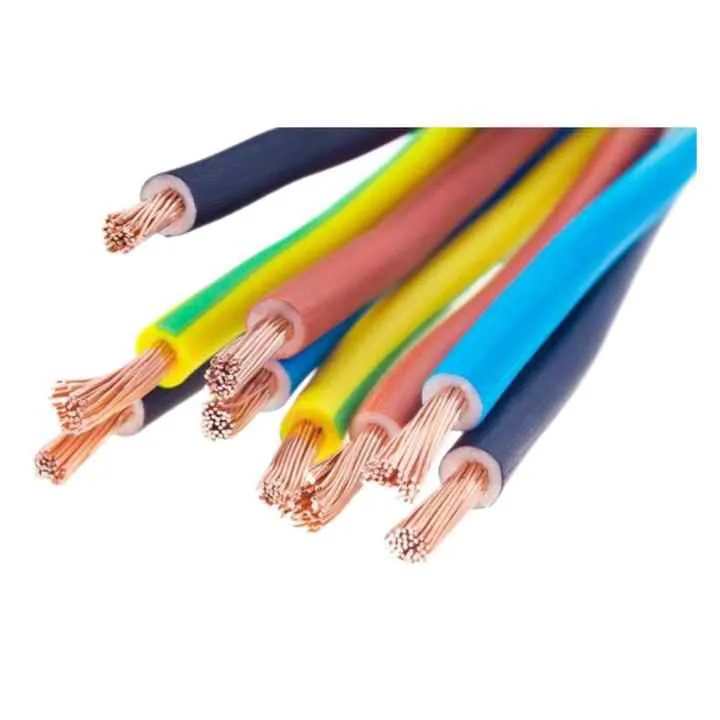
Flexible copper electrical wire with stranded copper conductor, PVC insulation a
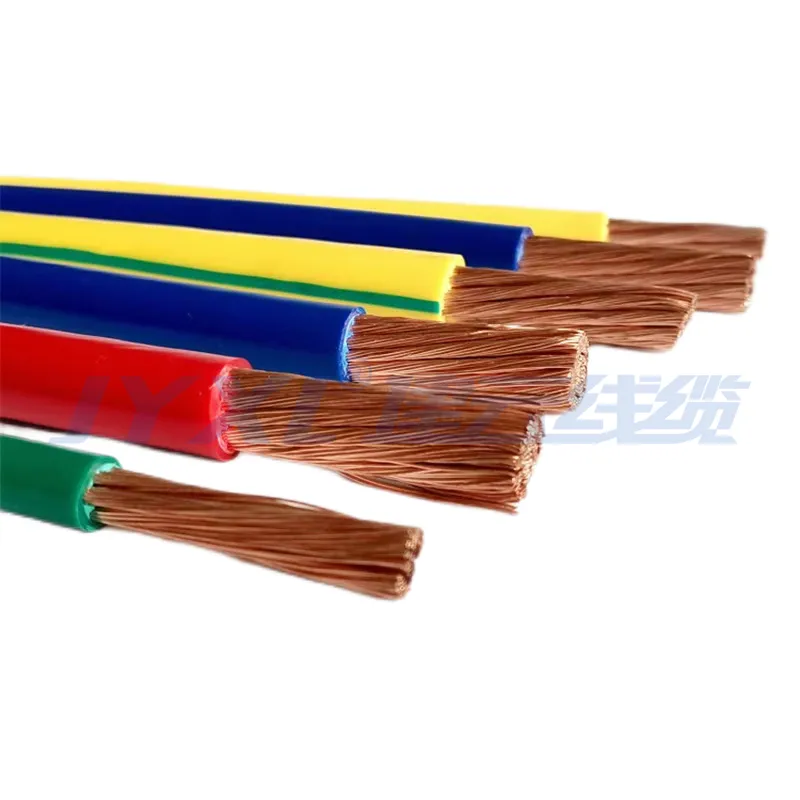
H07V-K flexible electrical wire with 1.5mm² and 2.5mm² stranded copper conductor
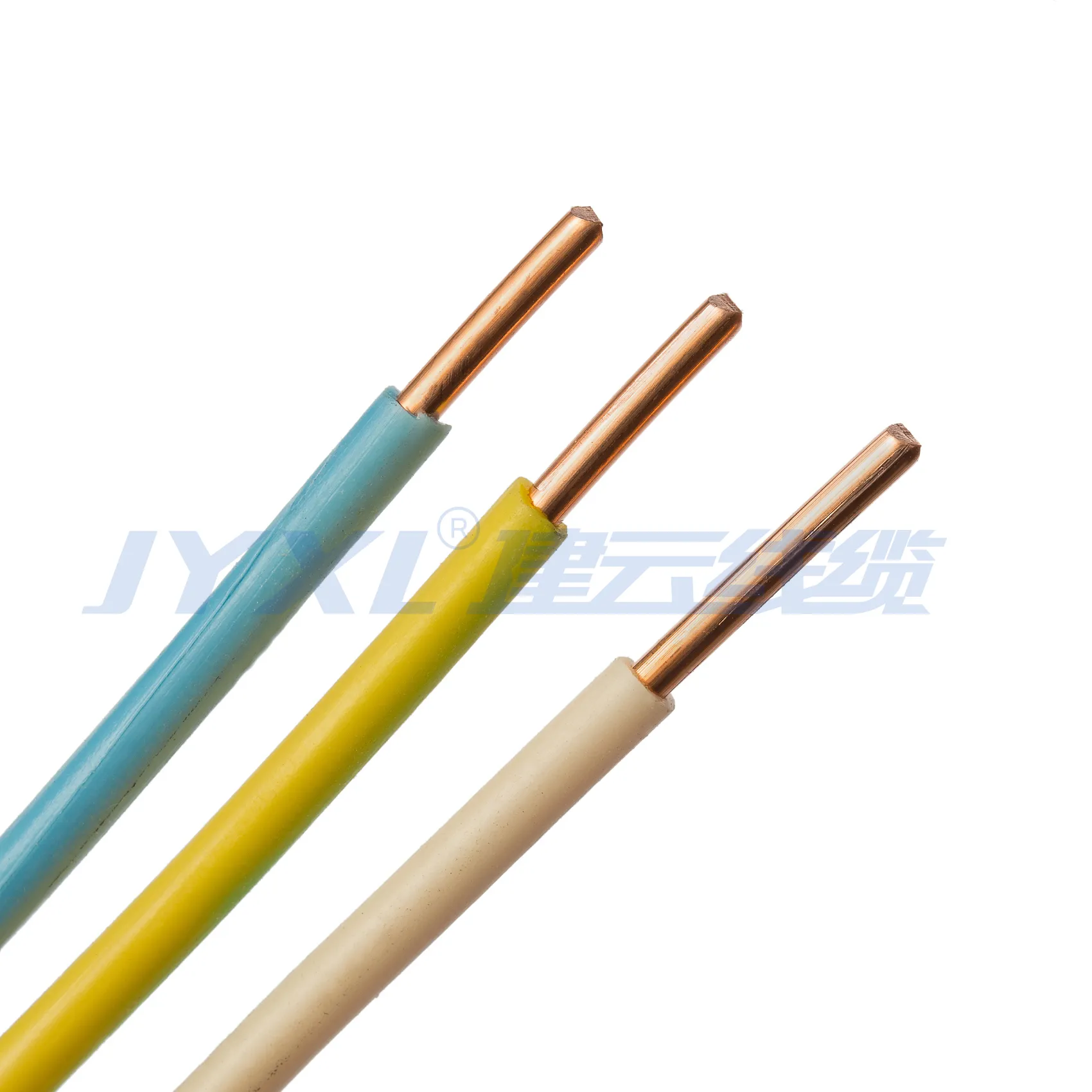
Jianyun H07V-U Solid Copper PVC Wire is a single core rigid electrical wire manu
CE Certification 450/750v H07VVF Flexible Copper PVC Insulated Ac Cable 3*2.5 Mm