Keep up to date with our latest company news and relevant industry knowledge.
Time: 2025-12-25 10:58:02 Source: Henan Province Jianyun Cable Co., Ltd.
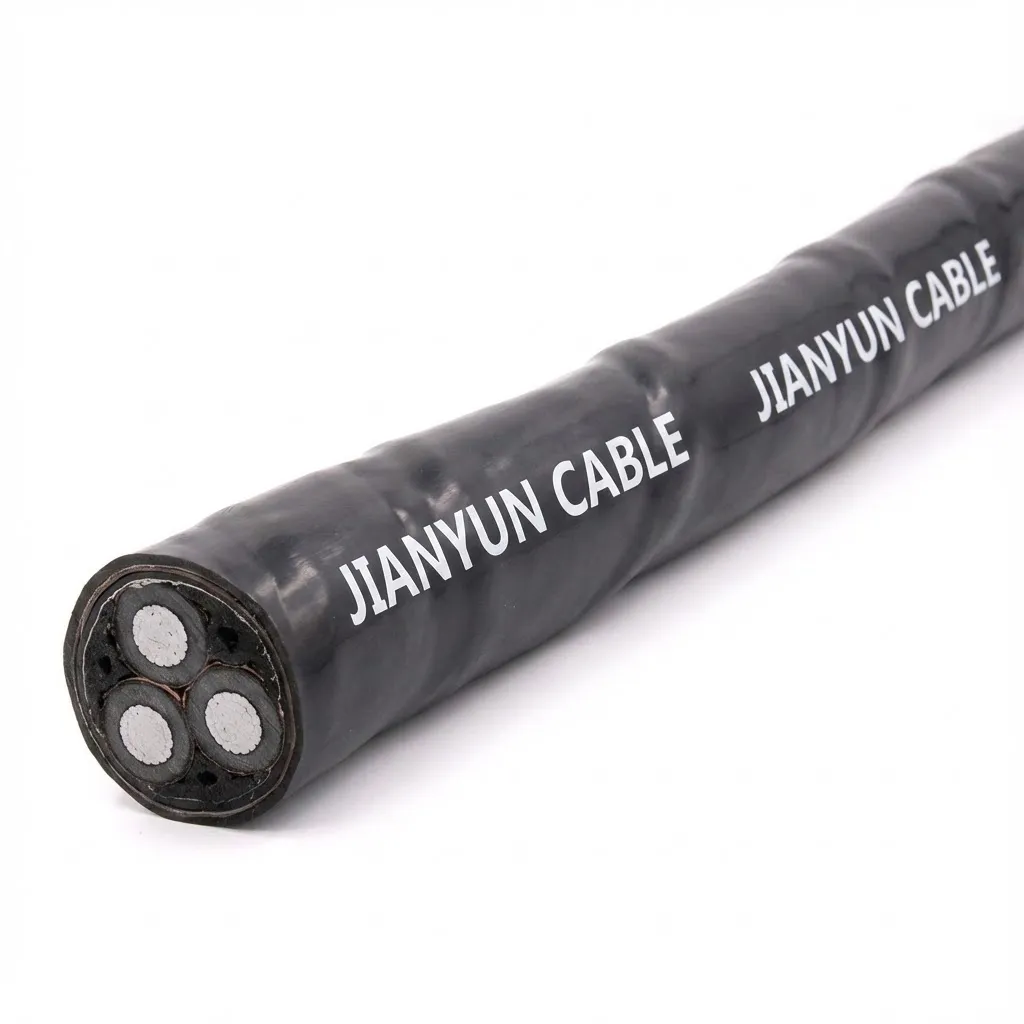
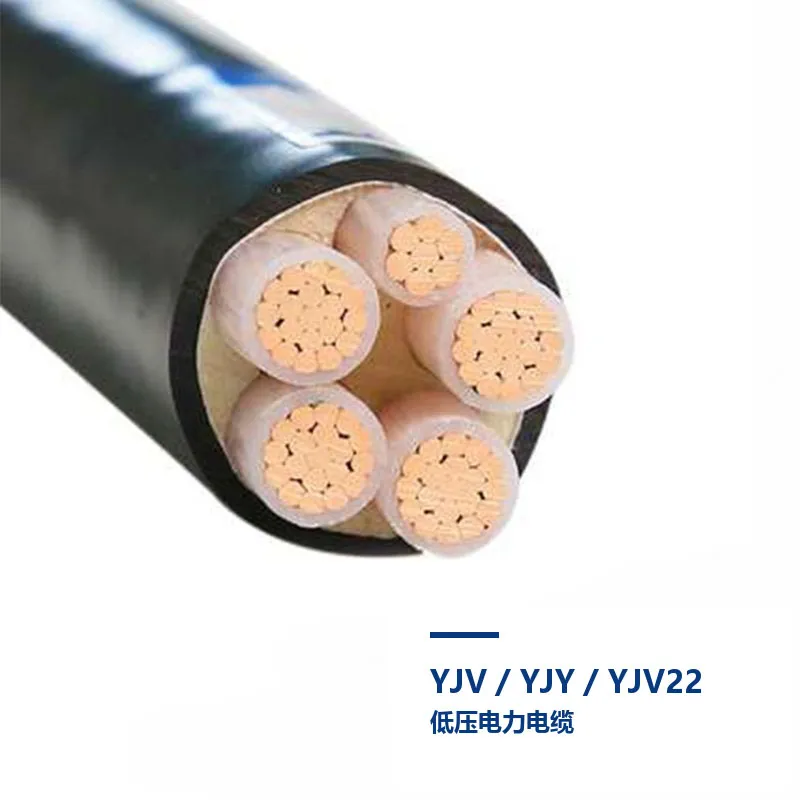
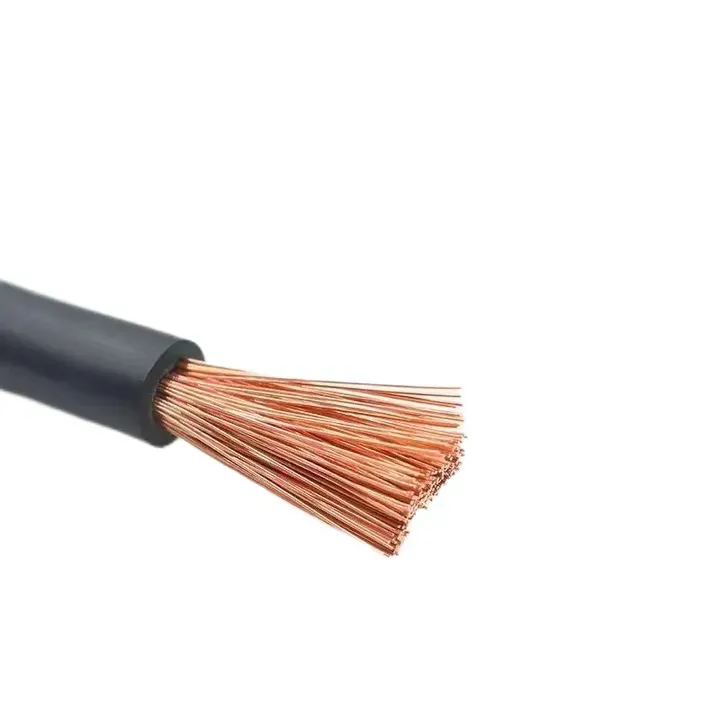
Electric cables power our daily lives, but damaged or improperly used electric cables are a leading cause of electrical fires, shocks, and equipment failures. Following practical electric cable safety tipscan prevent accidents in both residential and industrial settings. This 2025 guide provides actionable advice to keep your electric cable installations safe and reliable.
Electrical faults from cables cause thousands of fires annually worldwide. Proper handling reduces risks of overheating, insulation breakdown, arcing, and electrocution. Safe electric cable practices also extend cable life, lower energy costs, and ensure compliance with regulations.
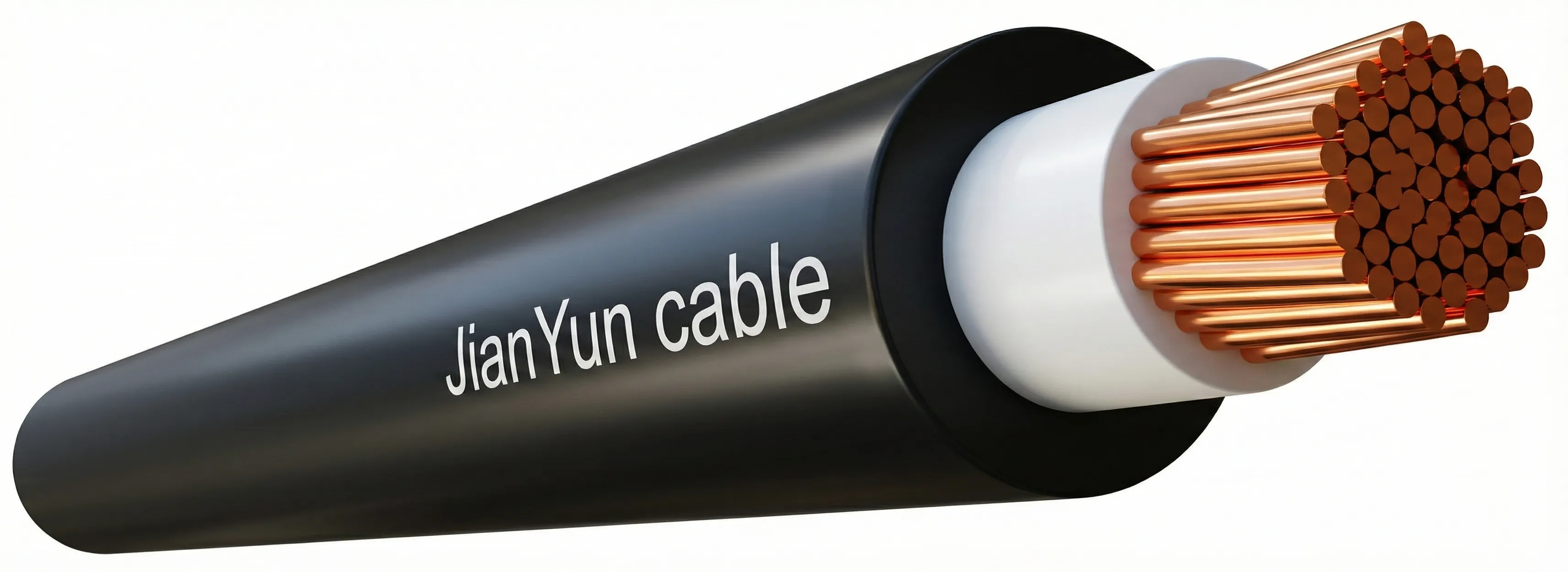
| Hazard | Signs | Prevention Tips |
|---|---|---|
| Overloading | Warm plugs/sockets, flickering lights | Calculate total load; distribute across circuits |
| Physical Damage | Cuts, crushing, fraying | Use armored cables or conduits in vulnerable areas |
| Overheating | Burn marks, melted insulation | Ensure proper sizing and ventilation; avoid bundling |
| Moisture Ingress | Corrosion, tracking marks | Use waterproof cables and sealed glands outdoors |
| Rodent Damage | Chewed insulation | Install rodent-resistant armored or repellent cables |
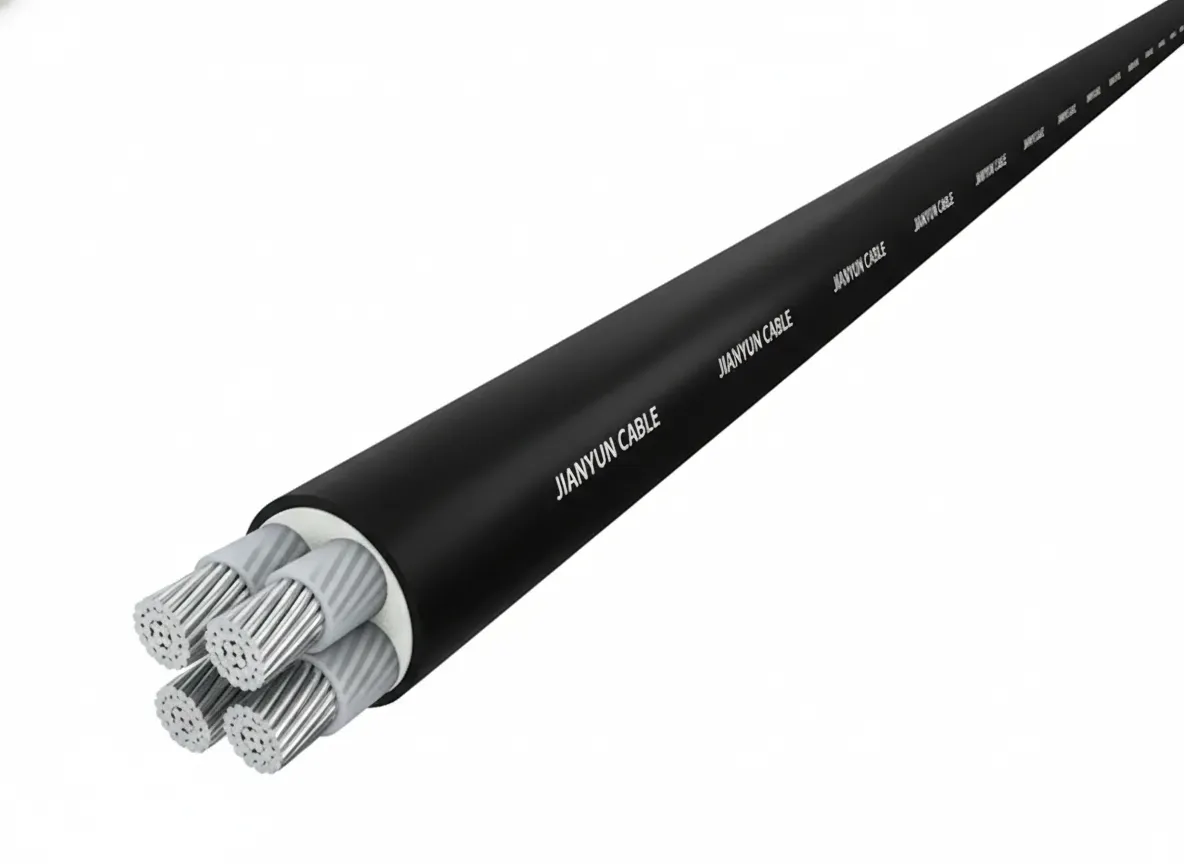
Simple vigilance and good practices go a long way in electric cable safety. By selecting quality cables, installing them correctly, and maintaining them regularly, you protect lives, property, and operations from preventable electrical hazards. Stay safe and proactive with your electric cablesystems.
Need safe, certified electric cables for your home or industrial project? Contact Henan Province Jianyun Cable Co., Ltd. for reliable products and expert guidance.
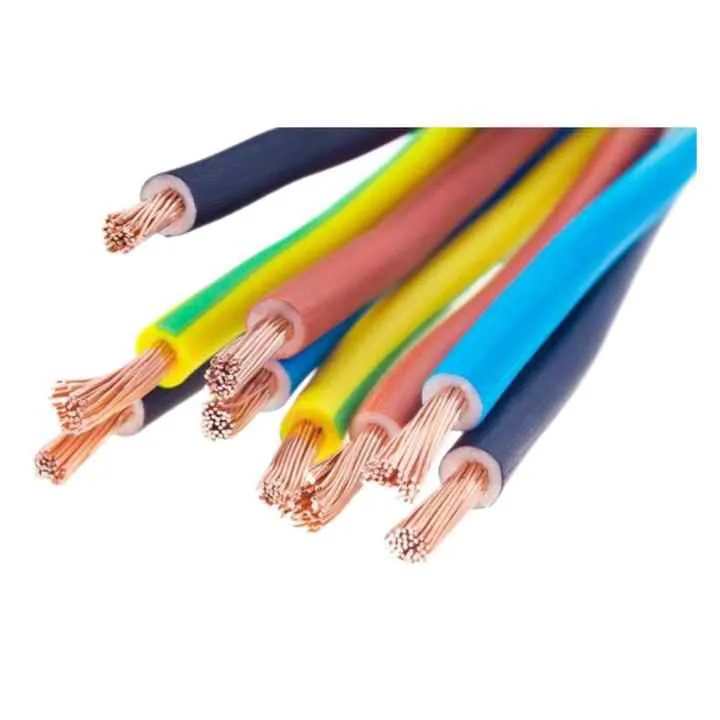
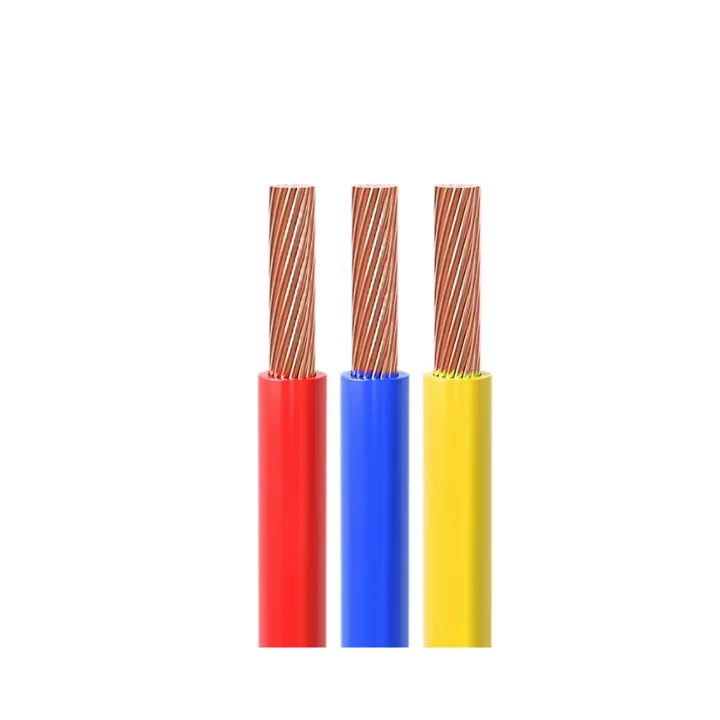
Flexible copper electrical wire with stranded copper conductor, PVC insulation a
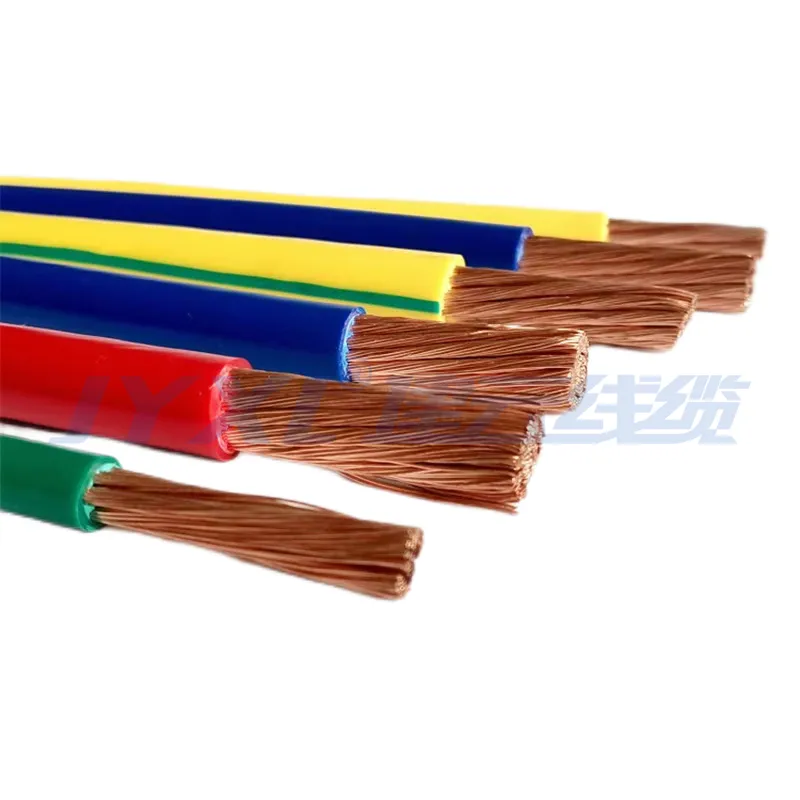
H07V-K flexible electrical wire with 1.5mm² and 2.5mm² stranded copper conductor
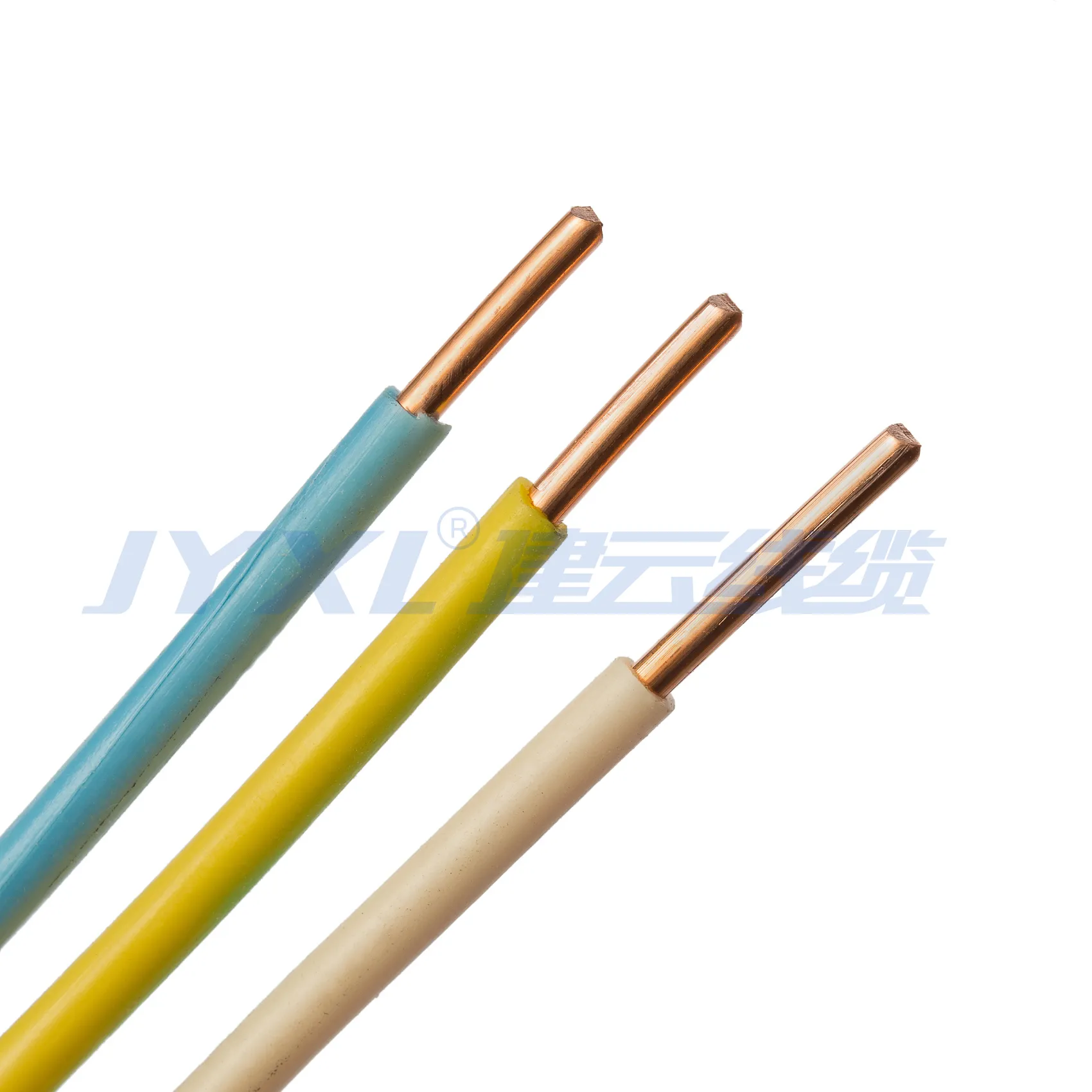
Jianyun H07V-U Solid Copper PVC Wire is a single core rigid electrical wire manu
CE Certification 450/750v H07VVF Flexible Copper PVC Insulated Ac Cable 3*2.5 Mm