Keep up to date with our latest company news and relevant industry knowledge.
Time: 2025-12-06 02:42:07 Source: Henan Province Jianyun Cable Co., Ltd.
Russia's unforgiving winters, where temperatures plummet to -50°C in Siberia, demand electrical cables that don't just conduct power – they endure. The GOST R 53769 standard, governing power cables with plastic insulation for voltages of 0.66, 1, and 3 kV, ensures these "Siberian survivors" maintain flexibility, integrity, and safety in subzero extremes. Established in 2010 and aligned with IEC 60502, it incorporates rigorous low-temperature testing via GOST R IEC 60811-1-4, making Russian cables uniquely robust. This guide reveals their design secrets, from stranded conductors to specialized sheaths, for engineers, installers, and exporters targeting Russia's $10B+ cable market amid Arctic infrastructure projects.
GOST R 53769-2010 specifies general technical conditions for power cables with plastic (PVC or XLPE) insulation, suitable for fixed installations in power networks. It covers construction, materials, testing, and marking for voltages up to 3 kV, emphasizing environmental resilience – including cold impact tests at -50°C. Referenced in TR CU 004/2011 for Eurasian Economic Union certification, it's mandatory for Russian imports/exports. 2025 updates integrate enhanced cold-flex tests (GOST R IEC 60811-1-4) for renewables in northern regions, ensuring cables withstand thermal cycling without cracking.
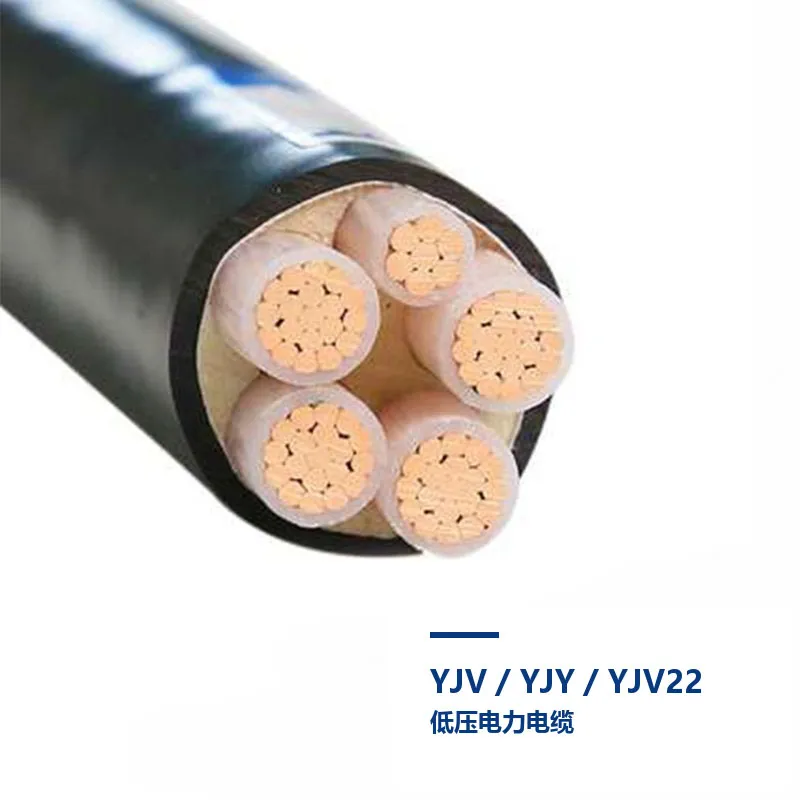
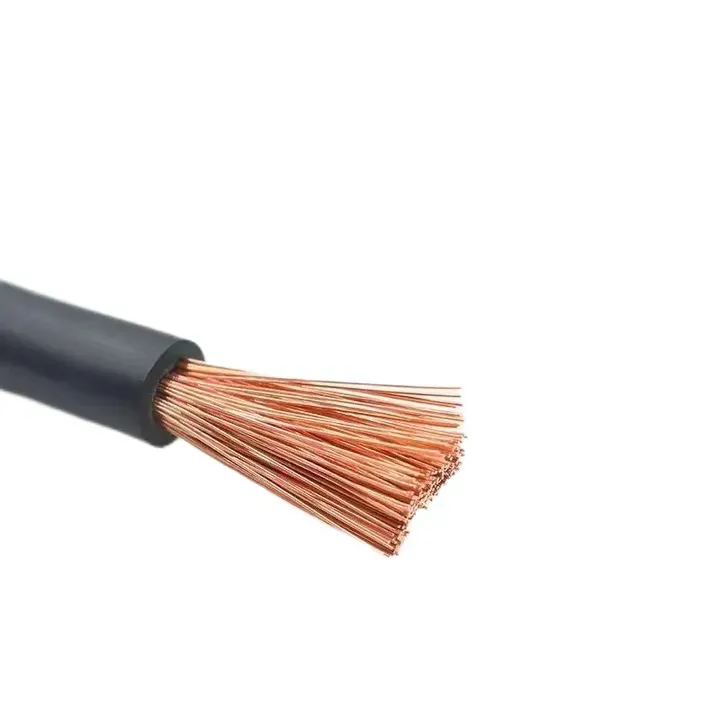
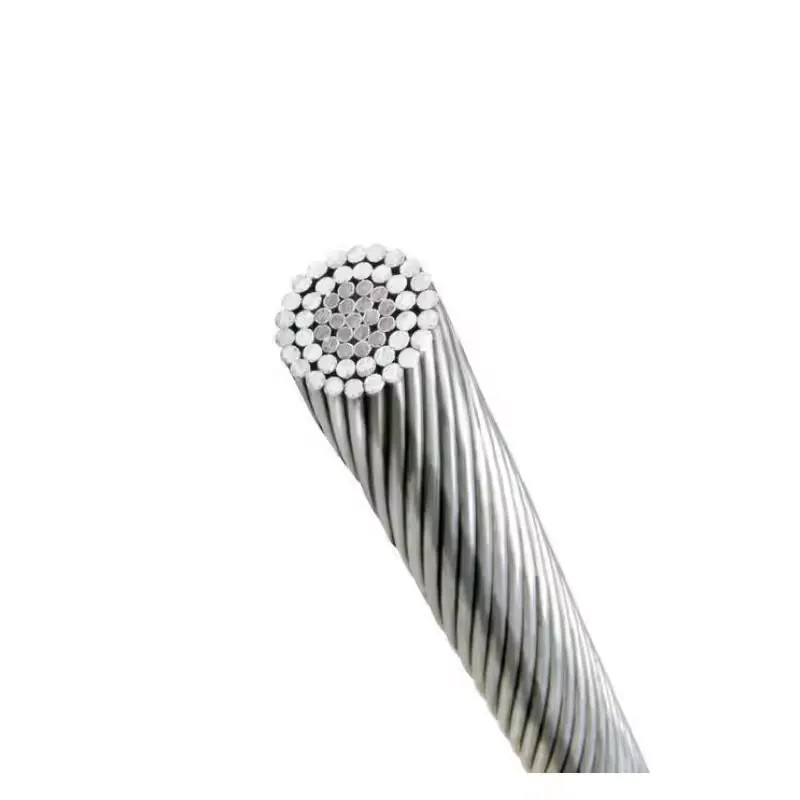
Russian cables under GOST R 53769 are engineered for "Siberian toughness": Multi-stranded Class 2 copper/aluminum conductors (7-61 strands) prevent brittleness; XLPE insulation (90°C max operating) remains pliable at -50°C via low-temperature copolymers; outer PVC sheaths with plasticizers resist cracking (tested per GOST 16962.1 for -60°C flexibility). Armored variants (e.g., steel tape) add mechanical protection against ice loads. Visually, they appear as robust, multi-core bundles (1-5 cores) with thick, matte-black or gray sheaths, often 10-30 mm diameter for power lines. These "cold warriors" maintain >95% flexibility post-freeze, unlike standard cables that shatter.
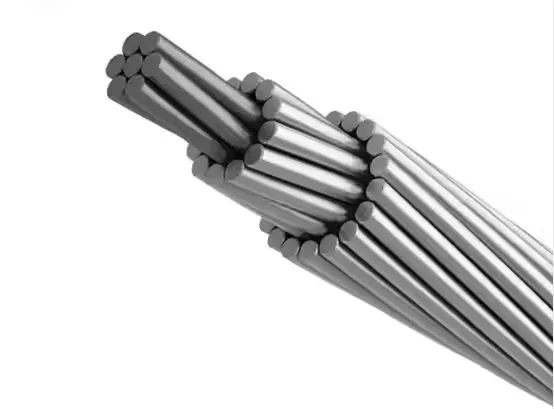
Sizing per GOST R 53769 tables factors ampacity, voltage drop (max 5%), and cold derating (minimal due to materials). Minimum 2.5 mm² for power; use XLPE for -50°C zones. Cold tests ensure no embrittlement.
| Circuit Type | Cable Size (mm²) | Ampacity (-50°C to 90°C) | Breaker Rating | Typical Use |
|---|---|---|---|---|
| Lighting | 2.5 | 25 A | 16 A | Remote outposts |
| General Power | 4.0 | 35 A | 25 A | Heating systems |
| Industrial Feeders | 10.0 | 70 A | 63 A | Oil rigs |
| Underground Lines | 16.0 | 95 A | 80 A | Buried in permafrost |
| Earth (PE) | Min 4.0 | N/A | N/A | Grounding |
Per GOST R 53769 and GOST R 53246 (IEC 60446 equivalent): Brown (phase), blue (neutral), green/yellow (PE). Multi-core: Black (L1), brown (L2), grey (L3). Cold-resistant inks ensure markings don't fade in freeze-thaw cycles.
GOST R 53769 requires radial circuits, buried cables 0.7 m deep with thermal backfill for permafrost, and armored sheaths for aerial lines. RCDs (30 mA) mandatory; pre-heating advised for -50°C installs. 2025: Enhanced for Arctic oil/gas per GOST R 55891.
Integrates GOST R IEC 60332 for flame retardance; XLPE sheaths resist cracking in cold, maintaining circuit integrity. Low-smoke options for enclosed spaces; bundle tests ensure no propagation post-freeze.
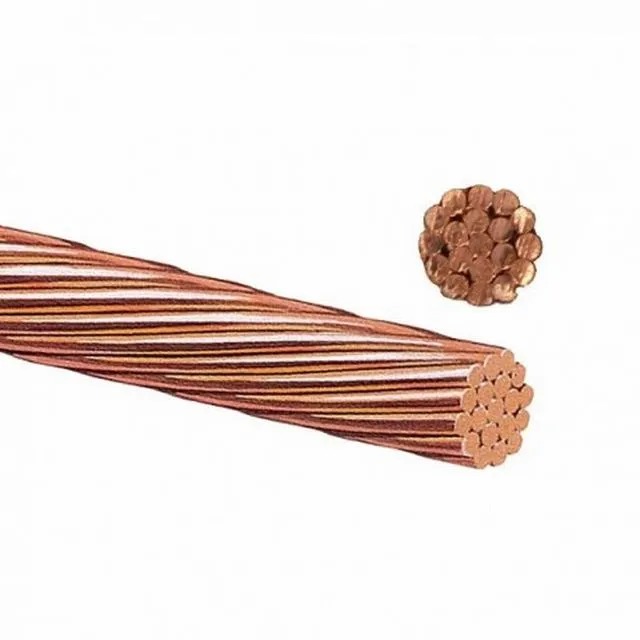
GOST R 53769 cables – stranded, XLPE-clad fortresses – conquer Russia's icy expanse, flexible at -50°C yet robust for decades. From Siberian pipelines to Arctic outposts, their design embodies resilience. For Russia's northern frontier, these cables power progress without pause.
Need GOST R 53769-compliant cold-resistant cables? Contact Henan Province Jianyun Cable Co., Ltd. for tailored solutions and quotes.
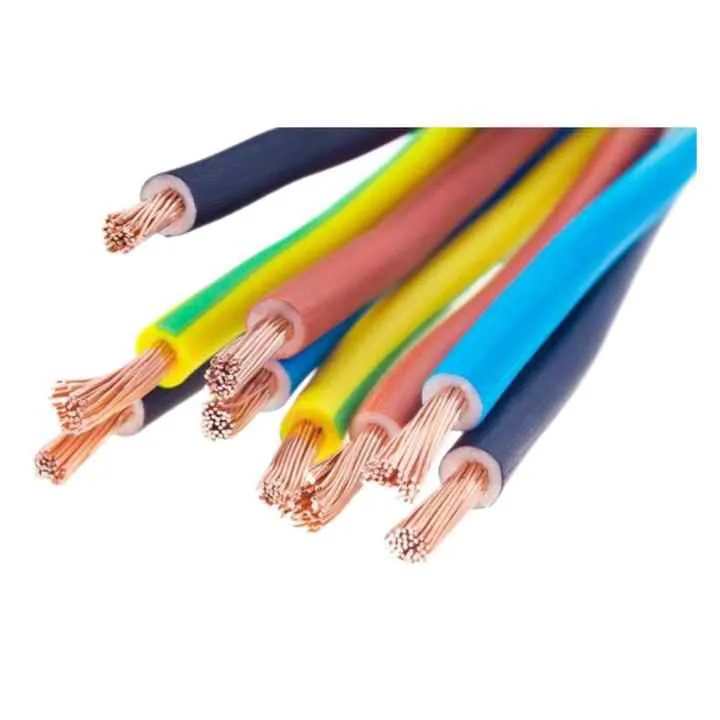
Flexible copper electrical wire with stranded copper conductor, PVC insulation a
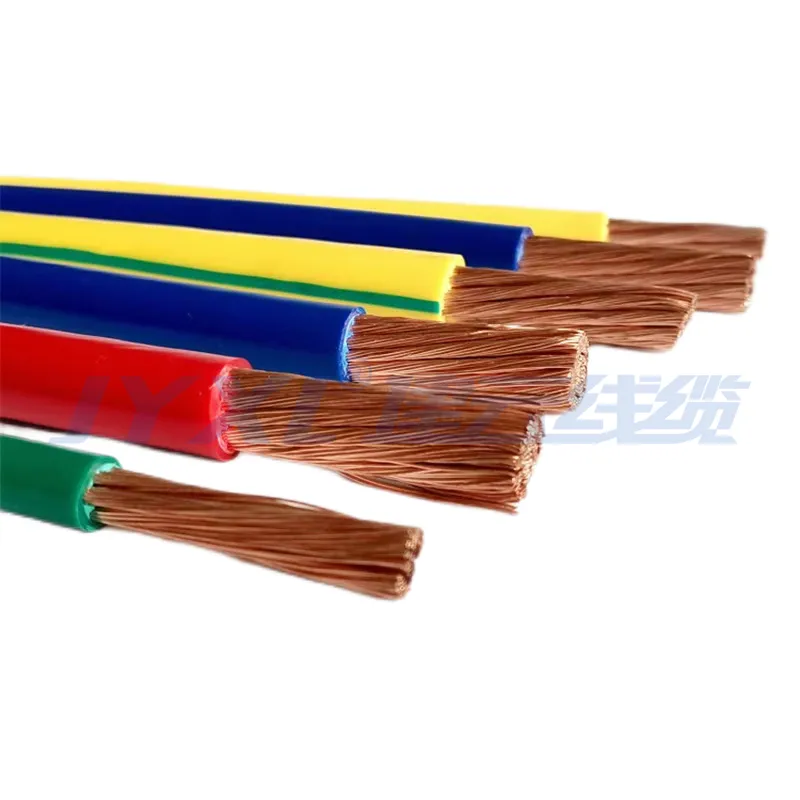
H07V-K flexible electrical wire with 1.5mm² and 2.5mm² stranded copper conductor
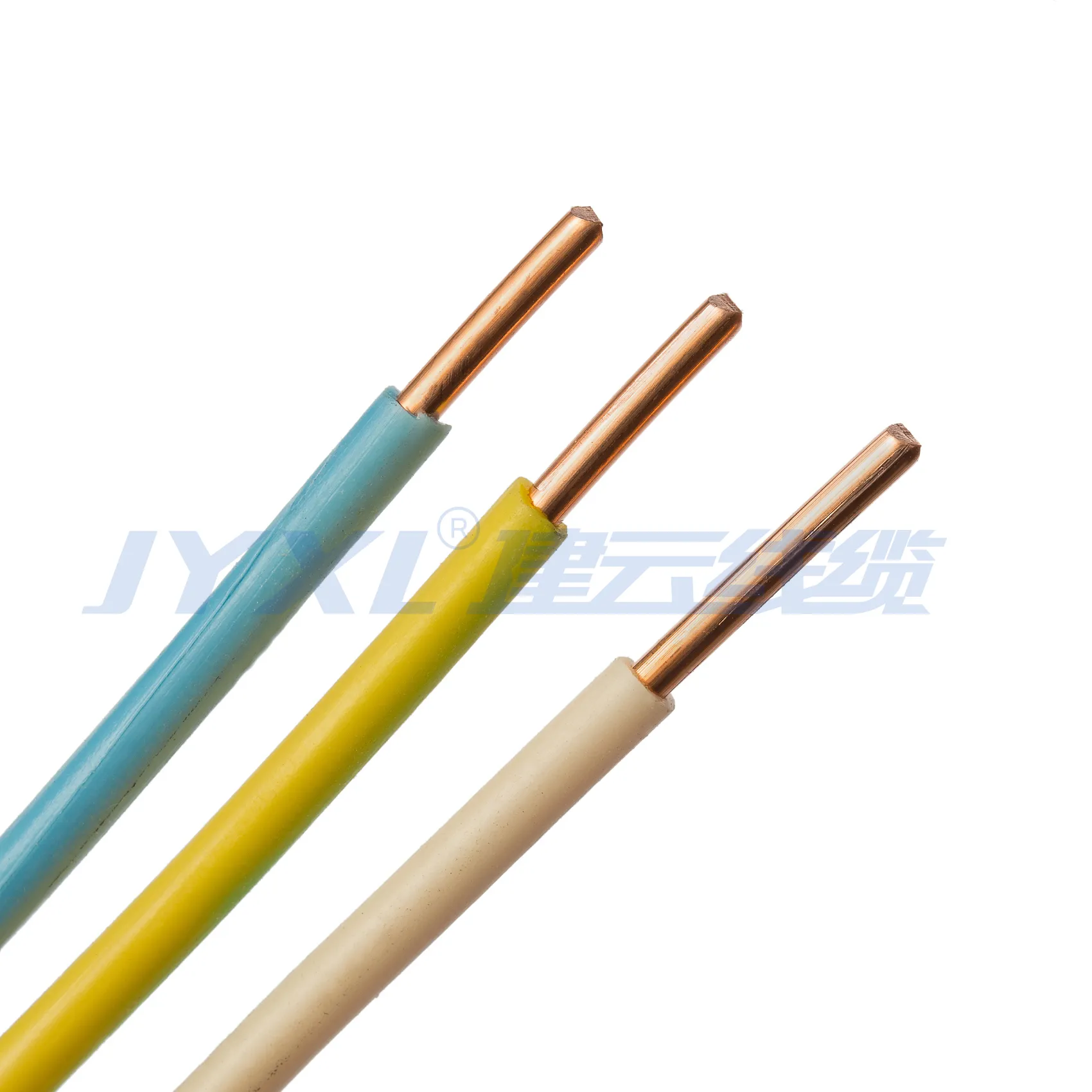
Jianyun H07V-U Solid Copper PVC Wire is a single core rigid electrical wire manu
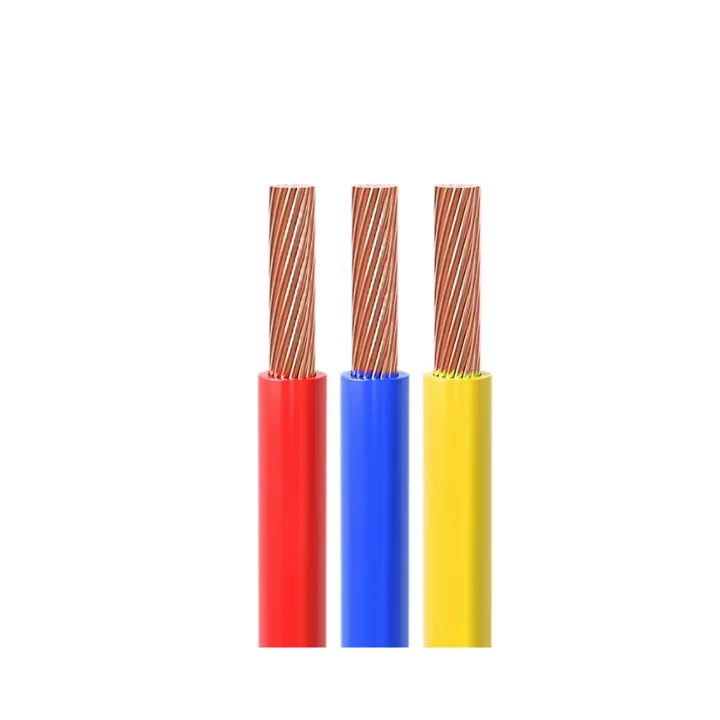
CE Certification 450/750v H07VVF Flexible Copper PVC Insulated Ac Cable 3*2.5 Mm