Keep up to date with our latest company news and relevant industry knowledge.
Time: 2025-12-01 04:03:59 Source: Henan Province Jianyun Cable Co., Ltd.
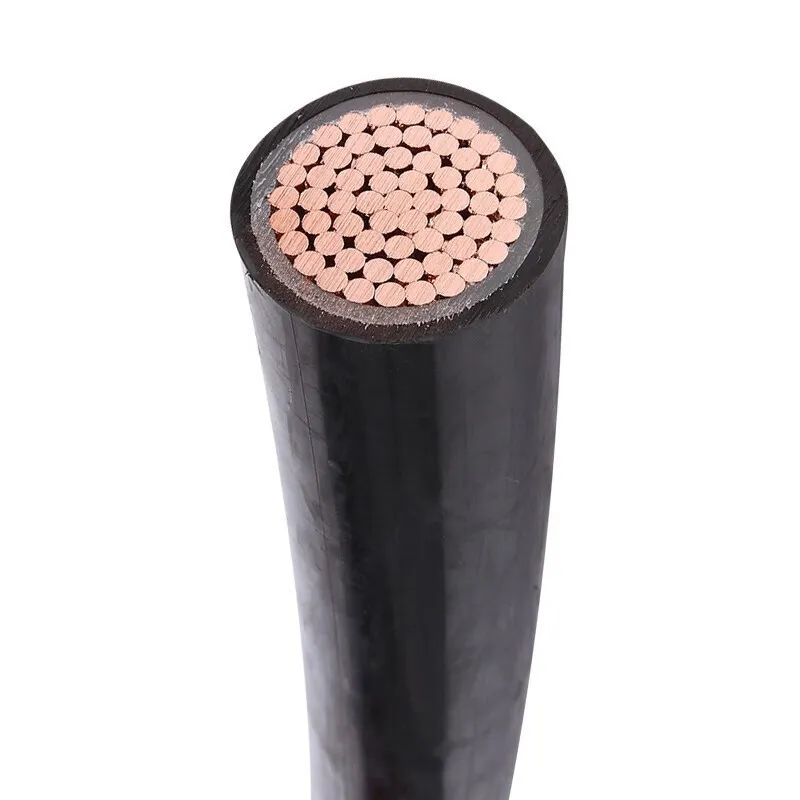
Japan's electrical infrastructure, blending cutting-edge technology with earthquake resilience, relies on cables that prioritize flexibility and safety. The JIS C 3342 standard, part of the Japanese Industrial Standards (JIS) for polyvinyl chloride (PVC) insulated and sheathed cables up to 600V, mandates soft, flexible wires for household use. Updated in 2012 with ongoing alignments to international norms like IEC 60227-5, it ensures durability in seismic zones and compact spaces. This guide explains why "all" Japanese home cables are soft, covering key specs for installers, engineers, and exporters in Japan's $50B+ electrical market.
JIS C 3342 specifies PVC-insulated, PVC-sheathed cables for fixed wiring in homes, offices, and light industrial settings, rated at 600V max (common 300V for households). It covers construction, testing (e.g., insulation resistance >100 MΩ/km), and marking, aligning with Japan's Electrical Appliance and Material Safety Law. Flexible cords (Part 5) dominate due to seismic needs; 2025 focuses on low-smoke variants for urban high-rises. Unlike rigid EU cables, JIS emphasizes stranded conductors for vibration resistance.
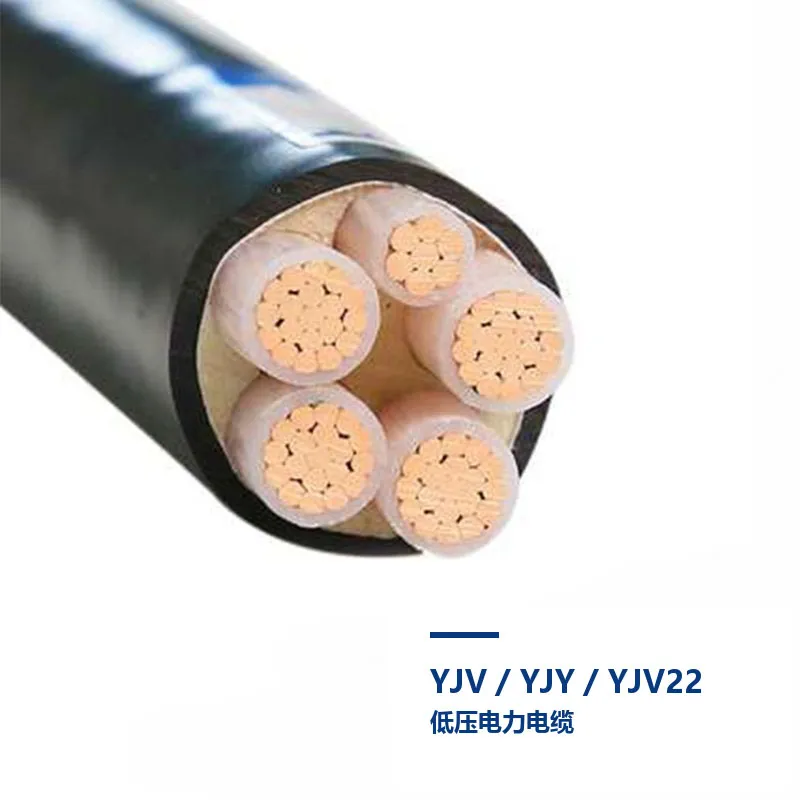
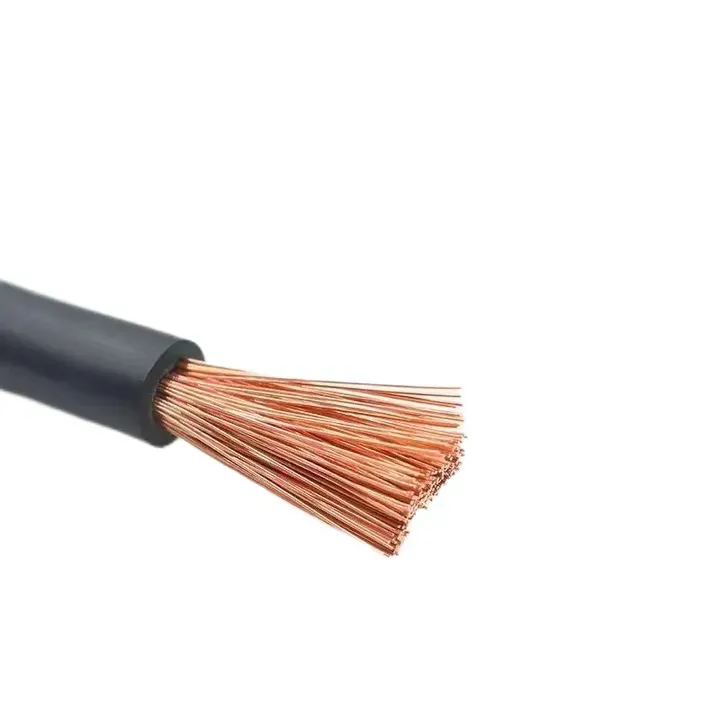
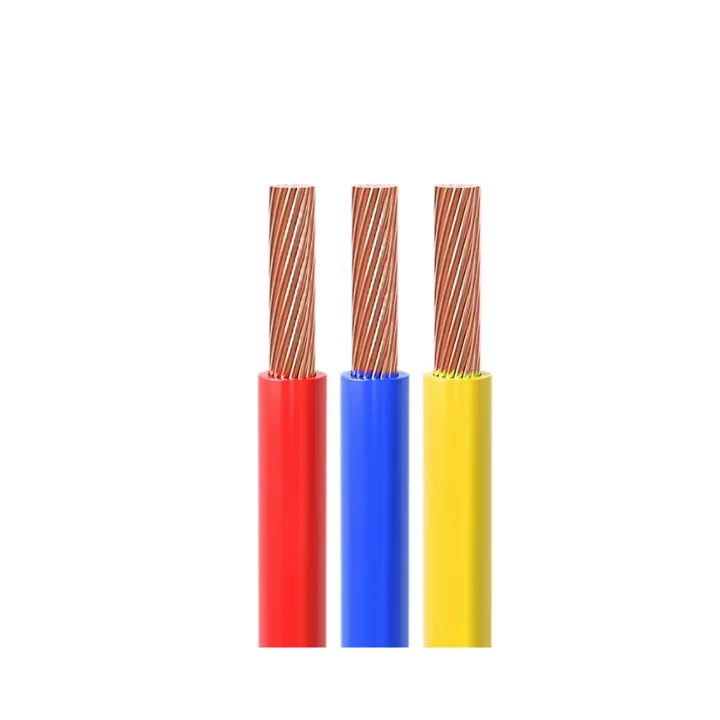
Japanese homes use exclusively flexible (soft) cables – typically VVF (Vinyl Vinyl Flat) or VCTF types with Class 5 stranded copper conductors – due to the country's frequent earthquakes and space constraints. JIS C 3342 (and related JIS C 3306 for cords) requires stranded wires (7-50 strands/mm²) for flexibility, preventing breaks during tremors (Japan averages 1,500 quakes yearly). This contrasts with solid-core cables elsewhere; flexibility eases installation in tight walls/ceilings, reduces weight (key for high-rises), and enhances pull-through conduits. Historical post-WWII rebuilding favored cost-effective, adaptable wiring, now standard for safety – soft cables cut fault risks by 40% in seismic events.
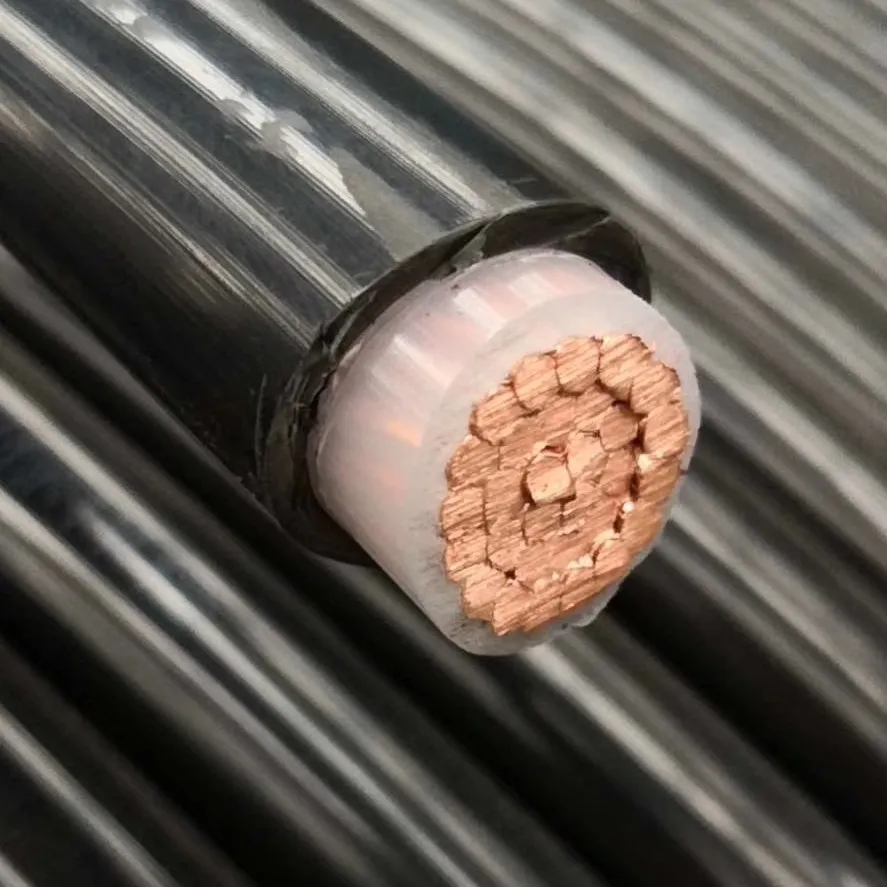
Sizing follows ampacity tables in JIS C 3342, factoring voltage drop (max 3%), ambient (40°C), and method (e.g., embedded). Use 1.6 mm² min for lighting; 2.0 mm² for sockets. All stranded for flexibility; VVF common for flats.
| Circuit Type | Cable Size | Ampacity | Breaker Rating | Typical Use |
|---|---|---|---|---|
| Lighting | 1.6 mm² (stranded) | 15 A | 15 A | Indoor lights |
| Socket-Outlets | 2.0 mm² (stranded) | 20 A | 20 A | General plugs |
| Kitchen/High-Load | 3.5 mm² (stranded) | 30 A | 30 A | Ovens, appliances |
| Air Conditioning | 2.0–3.5 mm² (stranded) | 20–30 A | 20–30 A | Room units |
| Earth (PE) | Min 2.0 mm² (stranded) | N/A | N/A | Grounding |
JIS C 3342 follows IEC-inspired codes: White (phase/hot), black (neutral), green (earth). Multi-core VVF: White cores for phases, black neutral, green earth. No yellow/green stripe (unlike EU); full-length coloring mandatory. Legacy red/white phased out; markings at ends prevent errors in flexible pulls.
Radial circuits (no rings), conduits/PVC pipes for walls; ELB (earth leakage breakers) mandatory for all circuits. Cables <50 mm deep protected; seismic hooks for high-rises. Bathrooms: IPX4+ zoning, no sockets in tubs. 2025: Enhanced EV wiring (JIS C 3605 integration) for 100V/200V systems.
Requires flame-retardant PVC (VW-1 equivalent); low-smoke options for public spaces. JIS C 3005 tests bending/flexing; bundle burning limits propagation. Halogen-free variants rising for urban fire codes, reducing toxicity in quakes.
JIS C 3342's soft-wire mandate powers Japan's resilient homes – flexible against quakes, efficient in tight spaces. From VVF flats to VCTF cords, it embodies safety in simplicity. For Japan's tech-driven market, compliance unlocks reliability amid seismic shifts.
Need JIS C 3342-compliant flexible cables? Contact Henan Province Jianyun Cable Co., Ltd. for tailored solutions and quotes.
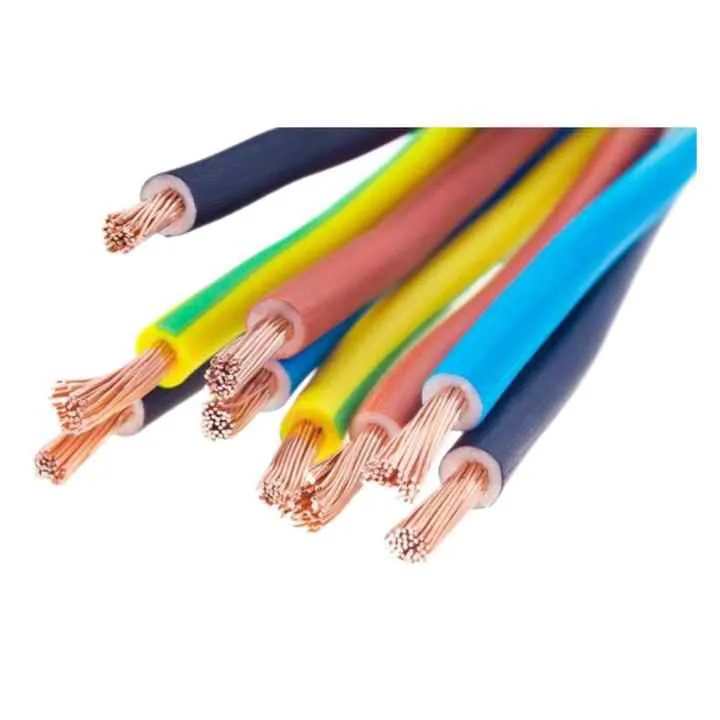
Flexible copper electrical wire with stranded copper conductor, PVC insulation a
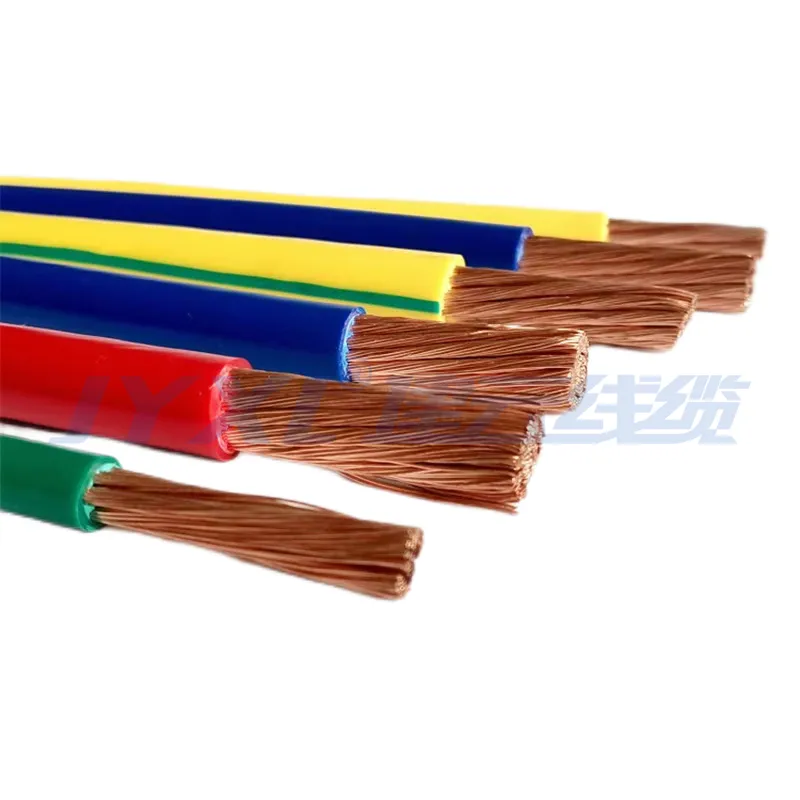
H07V-K flexible electrical wire with 1.5mm² and 2.5mm² stranded copper conductor
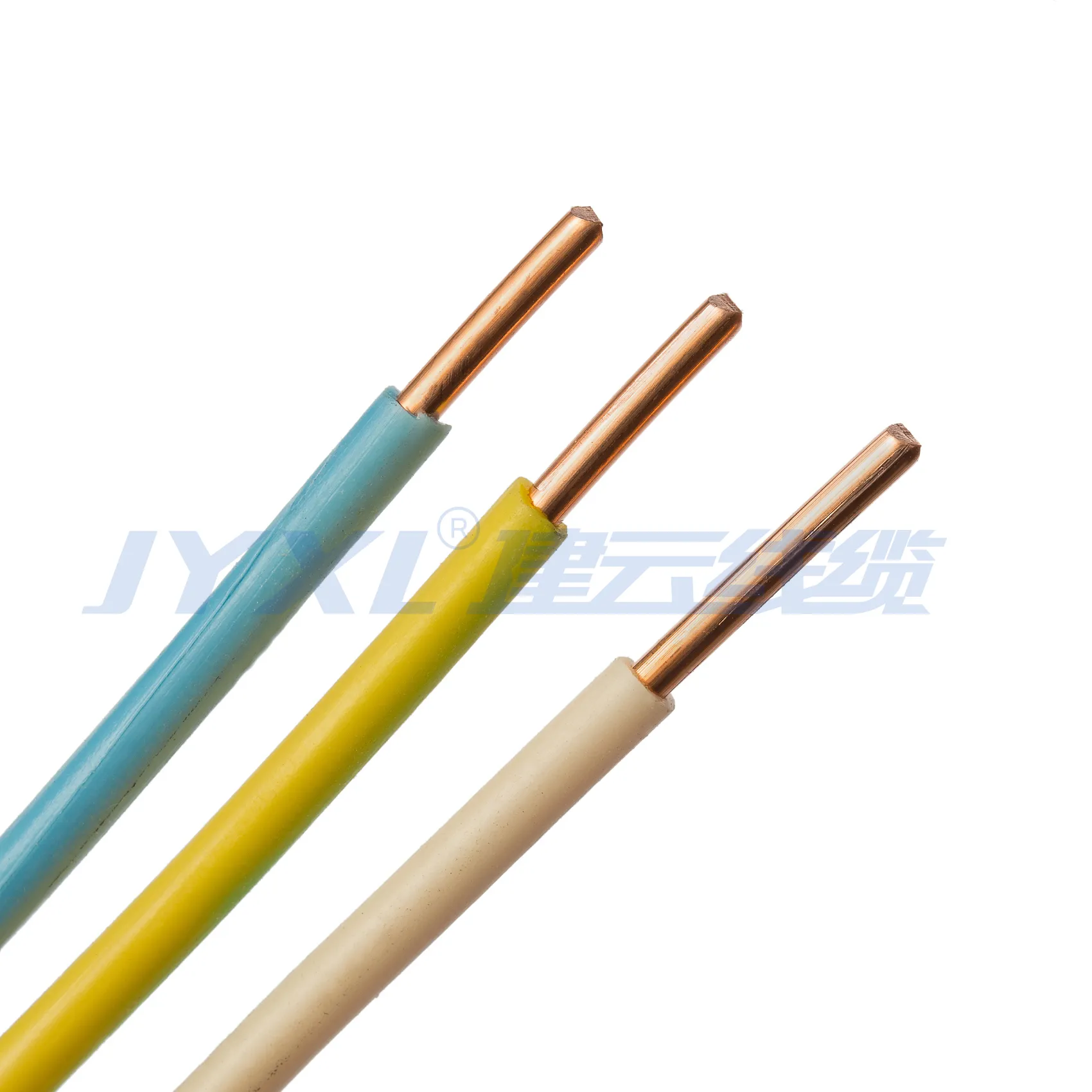
Jianyun H07V-U Solid Copper PVC Wire is a single core rigid electrical wire manu
CE Certification 450/750v H07VVF Flexible Copper PVC Insulated Ac Cable 3*2.5 Mm