Keep up to date with our latest company news and relevant industry knowledge.
Time: 2026-06-25 08:18:15 Source: Henan Province Jianyun Cable Co., Ltd.
Author: Jianyun Cable
Bare cable is a key component in overhead power transmission and distribution systems. Among various conductor types, AACSR (Aluminum Alloy Conductor Steel Reinforced) offers an excellent balance of electrical conductivity and mechanical strength, making it ideal for long-span transmission lines and harsh operating environments.
Jianyun Cable's AACSR Bare Cable is manufactured for utility companies, EPC contractors, and infrastructure projects requiring reliable overhead conductors with outstanding durability.
Product Link:
https://www.jianyuncable.com/bare-conductor/aacsr-conductor.html
Bare cable is an uninsulated electrical conductor installed on transmission towers or utility poles, where air provides natural insulation. Compared with insulated cables, bare cable offers lower weight, better heat dissipation, and lower installation costs.
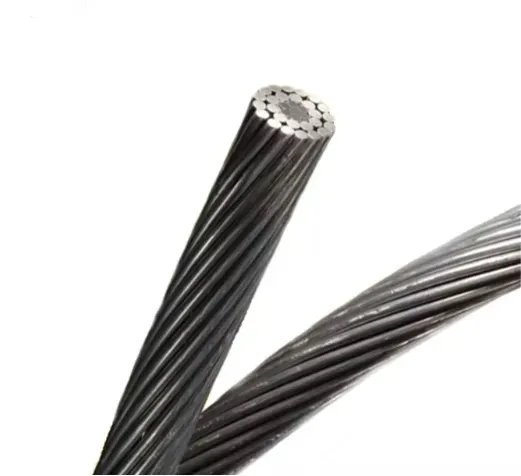
AACSR bare cable consists of 6201 aluminum alloy strands wrapped around a high-strength galvanized steel core, providing greater tensile strength than standard ACSR while maintaining excellent current-carrying capacity.
| Component | Function |
|---|---|
| Aluminum Alloy Strands | Efficient electrical conductivity |
| Galvanized Steel Core | High tensile strength |
| Concentric Stranding | Improved flexibility |
| Bare Surface | Excellent heat dissipation |
| Advantage | Benefit |
|---|---|
| High Mechanical Strength | Ideal for long-span transmission |
| Good Conductivity | Efficient power delivery |
| Low Sag Performance | Improved line stability |
| Corrosion Resistance | Suitable for harsh environments |
| Long Service Life | Reduced maintenance costs |
Bare cable is widely used in:
Overhead transmission lines
Utility distribution networks
Mountain and river crossings
Rural electrification projects
Wind and solar power transmission
High-voltage substations
Industrial power infrastructure
| Feature | AACSR | Standard ACSR |
|---|---|---|
| Conductor Material | Aluminum Alloy | Pure Aluminum |
| Tensile Strength | Higher | Standard |
| Sag Resistance | Better | Good |
| Long Span Performance | Excellent | Good |
| Heavy Weather Applications | Ideal | Suitable |
| Factor | Recommendation |
|---|---|
| Span Length | Choose high-strength AACSR for long spans |
| Current Capacity | Match system load requirements |
| Environment | Consider corrosion and weather conditions |
| Mechanical Load | Evaluate wind and ice loading |
| Standards | Verify IEC, ASTM, or project specifications |
https://www.jianyuncable.com/bare-conductor/aacsr-conductor.html
Suitable for:
Utility transmission lines
Long-distance power projects
Mountain transmission routes
Renewable energy grids
Industrial infrastructure
Jianyun Cable manufactures high-quality bare cable solutions that comply with international standards. The company's AACSR conductors combine aluminum alloy conductivity with galvanized steel reinforcement, delivering excellent strength-to-weight performance, corrosion resistance, and long-term reliability.
Bare cable remains one of the most economical solutions for overhead power transmission. For projects requiring greater mechanical strength and reduced sag, AACSR bare cable provides an excellent balance of durability, conductivity, and operational reliability.
Request a Quote Today:
https://www.jianyuncable.com/bare-conductor/aacsr-conductor.html
Bare cable is used for overhead transmission lines, utility distribution networks, substations, and renewable energy power transmission.
AACSR uses aluminum alloy strands, providing significantly higher tensile strength and improved sag resistance while maintaining good electrical conductivity.
Yes. AACSR is widely used in long-span lines, mountainous regions, coastal areas, and locations exposed to heavy wind, ice, or challenging weather conditions.
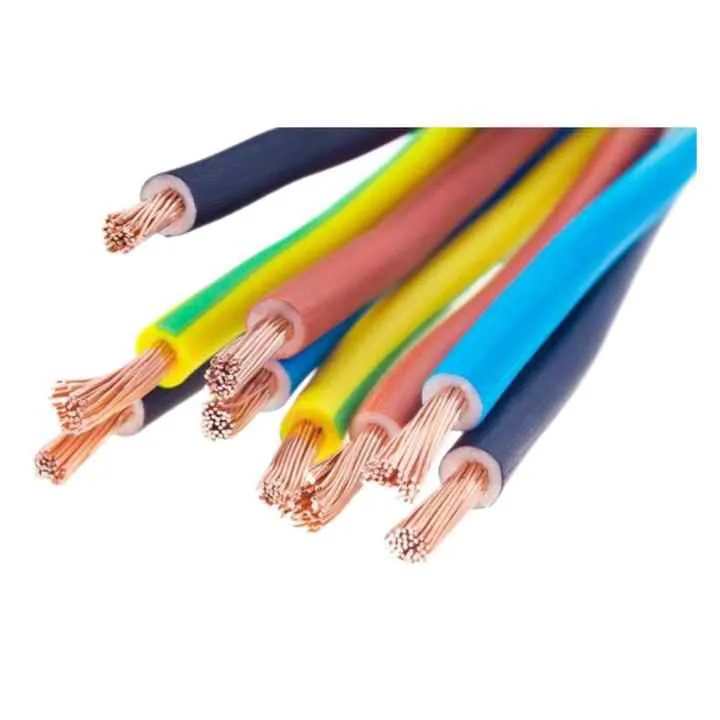
Flexible copper electrical wire with stranded copper conductor, PVC insulation a
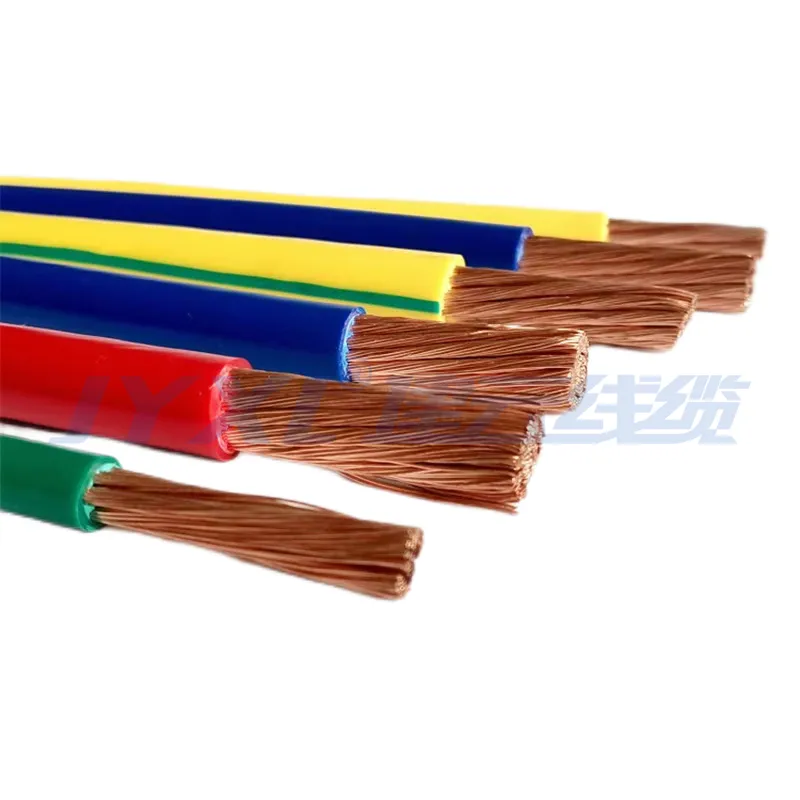
H07V-K flexible electrical wire with 1.5mm² and 2.5mm² stranded copper conductor
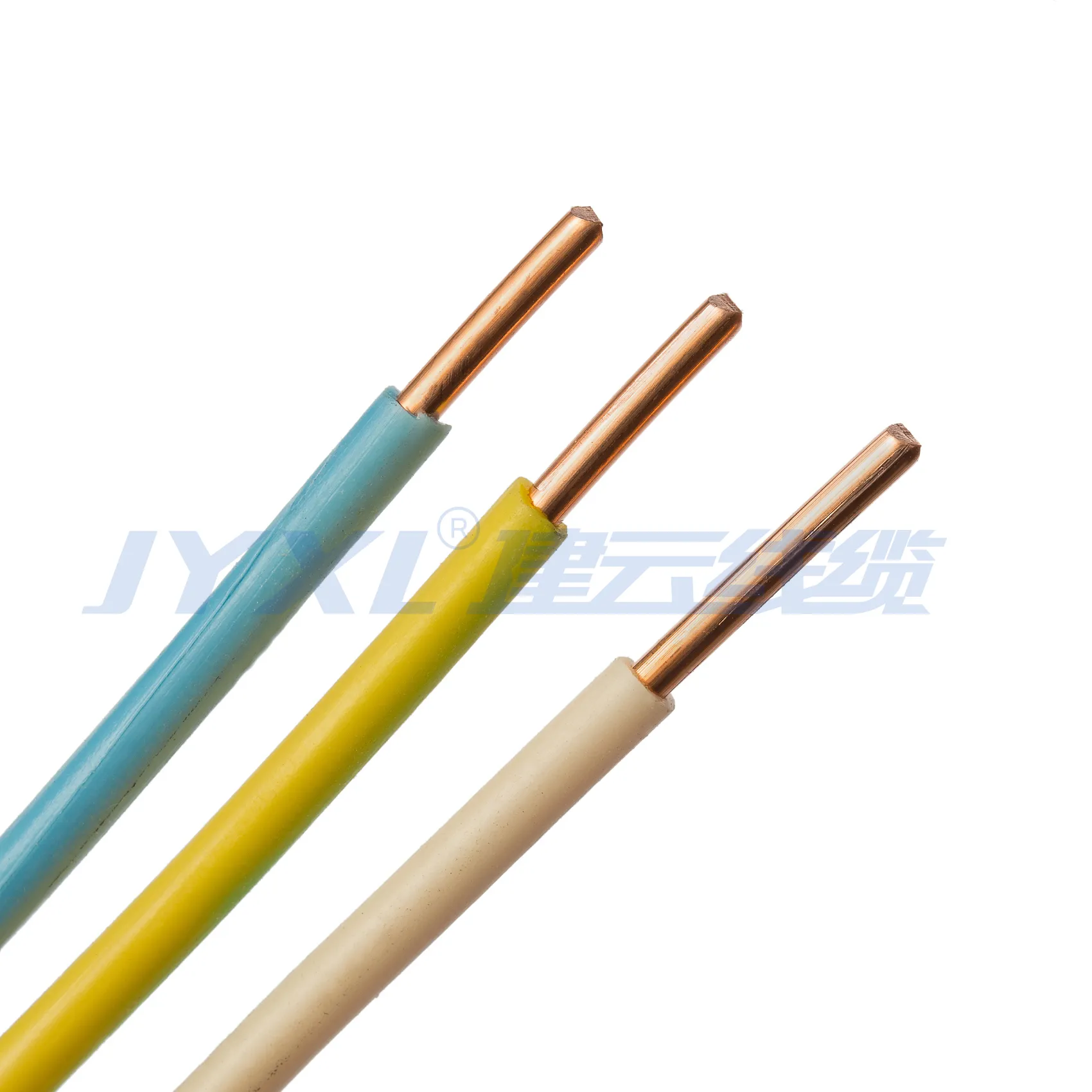
Jianyun H07V-U Solid Copper PVC Wire is a single core rigid electrical wire manu
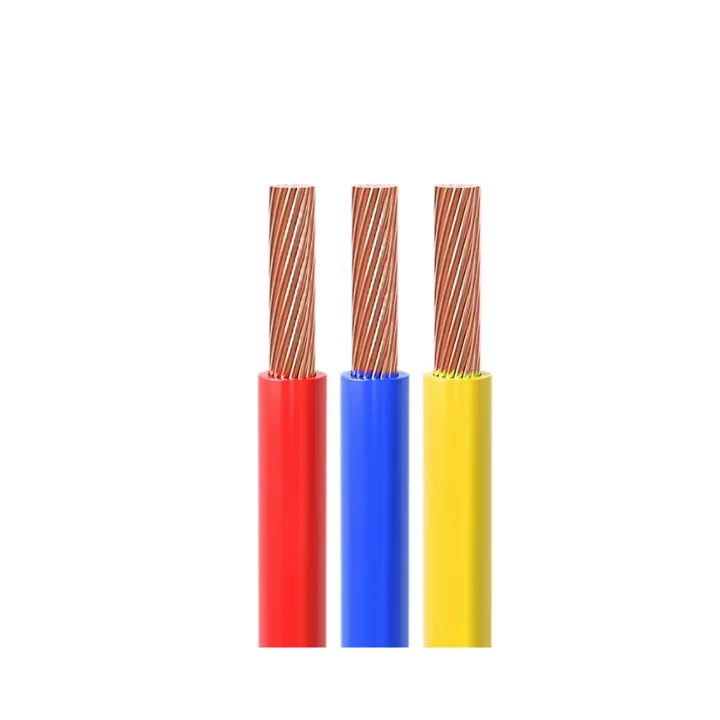
CE Certification 450/750v H07VVF Flexible Copper PVC Insulated Ac Cable 3*2.5 Mm