Keep up to date with our latest company news and relevant industry knowledge.
Time: 2026-05-09 13:43:05 Source: Henan Province Jianyun Cable Co., Ltd.
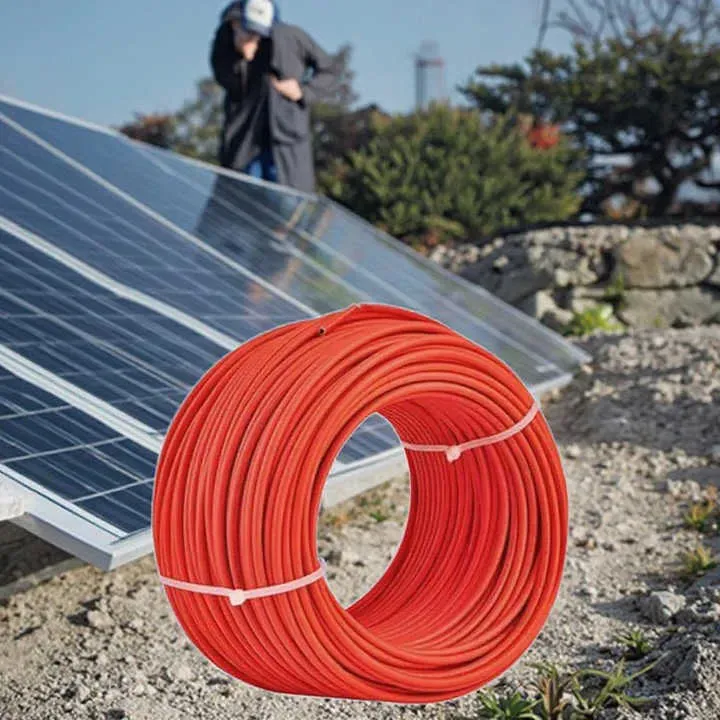
Jianyun Cable – A professional cable manufacturer providing reliable solar cable and power distribution solutions.
In every photovoltaic project, solar cable plays a key role in safe and efficient power transmission. A solar power system does not only depend on panels and inverters. It also needs reliable cables that can handle outdoor exposure, temperature changes, moisture, and long-term electrical load.
For PV systems, ordinary wire is not always suitable. Solar cable is designed for solar power generation equipment, inverter connections, and outdoor installation under different climate conditions.
Jianyun Cable’s 6mm² Halogen-Free H1Z2Z2-K Solar Cable is made for photovoltaic power stations and solar programs. It uses tinned copper conductors, XLPO insulation, and a durable XLPO jacket for stable performance in demanding solar applications.
Product page:
https://www.jianyuncable.com/solar-cable/solar-cable-70.html
Solar cable is a special electrical cable used in photovoltaic power systems. It connects solar panels, combiner boxes, inverters, and other PV system components.
Unlike general building wire, solar cable must perform under outdoor conditions for many years. It may be exposed to sunlight, heat, cold, moisture, and mechanical stress.
The product from Jianyun Cable is a H1Z2Z2-K / ZZ-F solar cable designed for low-voltage PV applications. It is suitable for construction and solar programs, especially where halogen-free materials and high outdoor durability are required.
This structure makes the cable suitable for PV systems that require stable conductivity, flexible installation, and long-term outdoor performance.
A solar system works continuously under changing outdoor conditions. During the day, cables may face high surface temperatures from sunlight. At night, they may cool quickly. In wet or dry environments, the cable must still maintain safe insulation and reliable conductivity.
Solar cable connects power generation devices and inverters. Without the right cable, the energy generated by solar panels cannot be transmitted efficiently.
PV cables are often installed outdoors, on rooftops, solar farms, mounting structures, or open areas. They need better weather resistance than ordinary indoor electrical wire.
A suitable solar cable helps reduce risks related to insulation damage, overheating, moisture exposure, and unstable current transmission.
Solar projects are usually designed for many years of operation. Choosing a quality cable at the beginning can help reduce future maintenance problems.
The cable uses tinned copper conductors. Tinned copper improves corrosion resistance and helps maintain stable electrical performance in solar environments.
For PV systems exposed to moisture and changing weather, this conductor structure is a practical choice.
The insulation and outer sheath are made from XLPO material. XLPO is commonly used in solar cables because it provides strong heat resistance, insulation performance, and environmental durability.
The double-insulation design helps protect the conductor and supports safer operation.
This solar cable is halogen-free, which makes it suitable for projects where fire safety and low smoke performance are important.
For solar installations on buildings, factories, and infrastructure projects, halogen-free materials can be a valuable advantage.
The cable is designed to work in demanding temperature conditions. Its listed temperature range is from -40°C to +90°C, while technical specifications also show strong resistance under higher rated conditions.
This helps the cable perform in both hot and cold installation environments.
The product is TUV certified and follows EN 50618 standard requirements. Certification helps buyers confirm that the cable is designed for professional solar cable applications.
Solar power stations require large amounts of cable for panel arrays, string connections, and inverter systems. Reliable solar cable helps maintain stable power transfer across the entire installation.
For commercial and residential rooftops, solar cable must be flexible, weather-resistant, and safe for long-term outdoor exposure.
The cable can be used for connection between solar power generation devices and inverters. This is one of the most important connection points in a PV system.
In construction-related solar programs, cables often need to handle complex installation environments. A durable XLPO solar cable helps improve installation reliability.
This product can adapt to dry and wet indoor working environments as well as outdoor installation under different climate conditions.
For 1×6.0mm² cable, the listed current carrying capacity is 70A. This makes it suitable for many PV system connection requirements.
The product table lists 1×6.0mm² resistance at 3.39 Ω/km. Lower resistance helps support efficient power transmission.
The conductor follows Class 5 tinned copper construction, which improves flexibility during installation.
The technical specification includes a test voltage of 6500V, 50Hz, 5 minutes, supporting strong insulation reliability.
The cable supports fixed installation bending radius above 4X and occasionally moved bending radius above 5X. This helps installers manage cable routing more effectively.
Solar systems may use different DC voltage levels. Make sure the selected solar cable meets your system voltage requirements.
For this product, the rated voltage is listed as 1500V, with technical data showing suitability for PV applications.
Cable size affects current capacity, voltage drop, and system efficiency. Common sizes include 1.5mm², 2.5mm², 4mm², 6mm², 10mm², 16mm², and larger options.
For many solar projects, 6mm² is widely used because it balances flexibility, current capacity, and installation convenience.
If the cable will be used outdoors, it should resist sunlight, moisture, temperature changes, and mechanical stress.
XLPO insulation and jacket materials help meet these needs.
For professional PV projects, certification is important. TUV and EN 50618 compliance can help improve buyer confidence and project approval.
Solar cable selection should match the system design, operating environment, and installation requirements. Jianyun Cable can provide solar cable solutions for different PV project needs.
View the recommended product here:
https://www.jianyuncable.com/solar-cable/solar-cable-70.html
If you need a reliable cable for solar panels, PV power stations, or inverter connections, Jianyun Cable’s 6mm² Halogen-Free H1Z2Z2-K Solar Cable is a practical choice.
It features tinned copper conductors, XLPO insulation, XLPO jacket, TUV certification, and a temperature range suitable for demanding solar environments.
Recommended product link:
https://www.jianyuncable.com/solar-cable/solar-cable-70.html
You may also review these related Jianyun Cable pages:
Before ordering solar cable, prepare your project details clearly. This helps the supplier recommend the correct size and specification.
Important details include:
For solar projects, choosing the correct cable at the planning stage can help reduce voltage drop, installation problems, and future maintenance costs.
In summary, solar cable is a critical component in photovoltaic systems. It supports safe power transmission between solar panels, inverters, and other PV equipment while resisting outdoor conditions.
Jianyun Cable’s 6mm² Halogen-Free H1Z2Z2-K Solar Cable offers tinned copper conductors, XLPO insulation, TUV certification, and reliable performance for solar power systems.
Choose Jianyun Cable solar cable for your next PV project:
https://www.jianyuncable.com/solar-cable/solar-cable-70.html
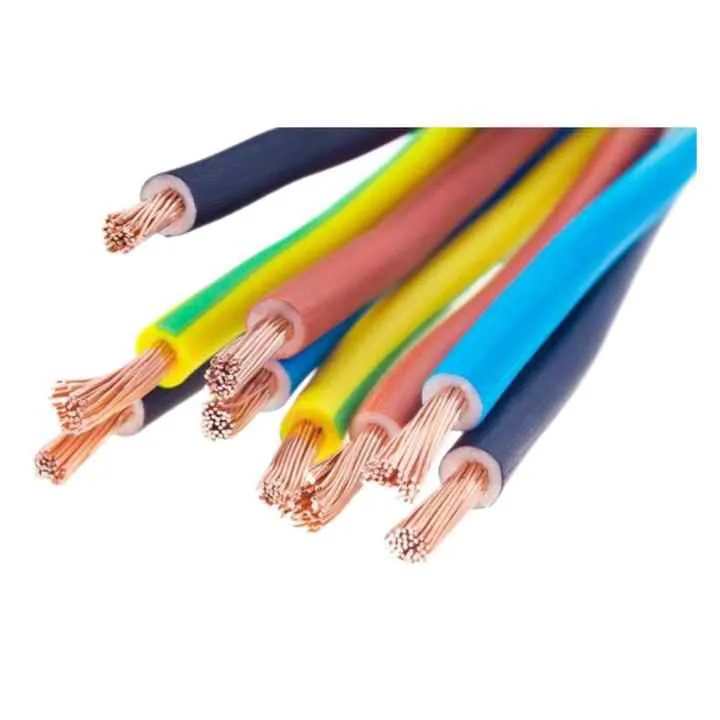
Flexible copper electrical wire with stranded copper conductor, PVC insulation a
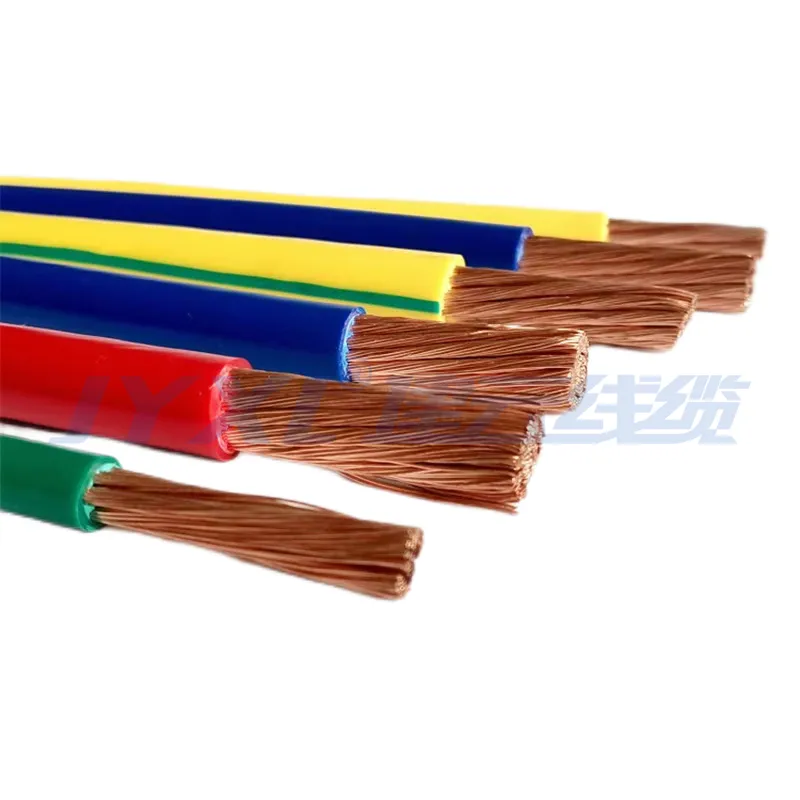
H07V-K flexible electrical wire with 1.5mm² and 2.5mm² stranded copper conductor
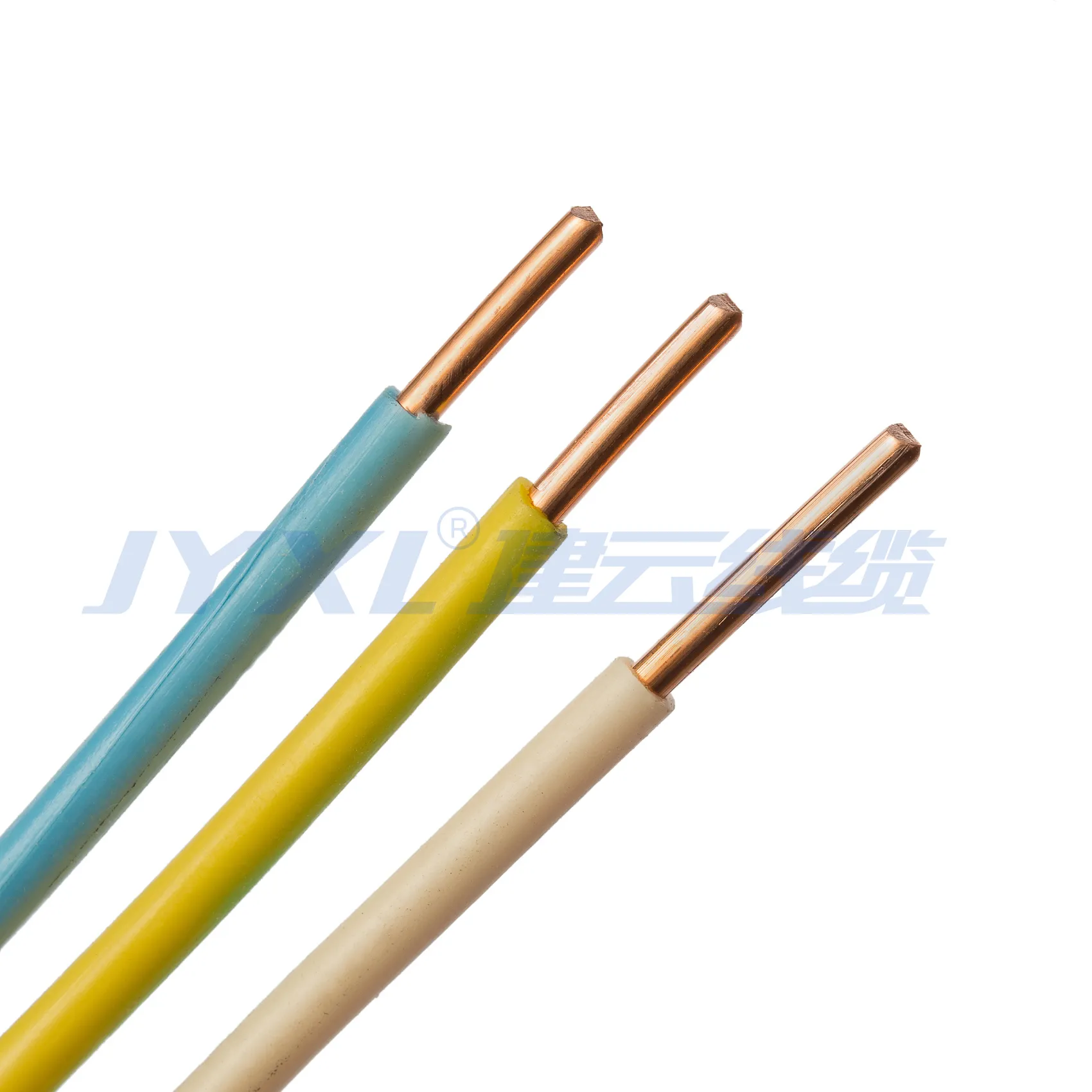
Jianyun H07V-U Solid Copper PVC Wire is a single core rigid electrical wire manu
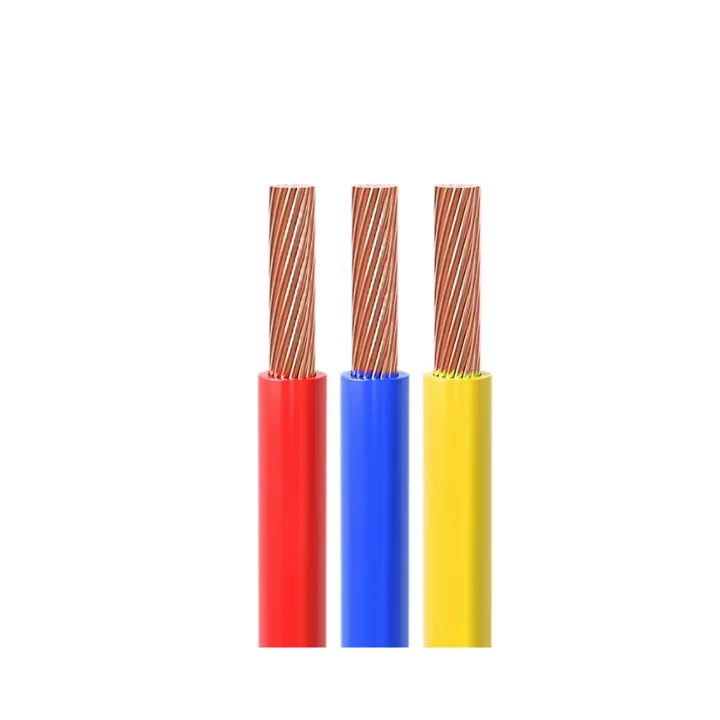
CE Certification 450/750v H07VVF Flexible Copper PVC Insulated Ac Cable 3*2.5 Mm