Keep up to date with our latest company news and relevant industry knowledge.
Time: 2025-12-31 10:23:27 Source: Henan Province Jianyun Cable Co., Ltd.
The electric cable industry is on the cusp of transformative changes, driven by rapid advancements in technology, sustainability demands, and the push for smarter energy systems. As we look ahead to 2025 and beyond, emerging trends in electric cable technology promise to enhance efficiency, reduce environmental impact, and support the global shift to renewables and digital infrastructure. This forward-looking article explores the key trends shaping the future of electric cables.
Electric cables have evolved from simple copper conductors to sophisticated systems integrating sensors, advanced materials, and connectivity. With growing demands from 5G, EVs, and smart grids, the industry is innovating to meet challenges like higher data speeds, energy efficiency, and climate resilience. Understanding these trends helps stakeholders prepare for a more connected, sustainable future.
Sustainability is a cornerstone of future electric cable technology. Manufacturers are shifting to recyclable, halogen-free, and low-emission materials like bio-based polymers and lead-free compounds. This reduces environmental footprint during production and disposal, aligning with global regulations like RoHS and REACH. Expect more electric cables with circular economy designs, minimizing waste and promoting reuse.
The rise of smart grids and Industry 4.0 is driving electric cable technology toward intelligent systems. Embedded sensors in cables monitor temperature, vibration, and faults in real-time, preventing outages through predictive maintenance. AI algorithms analyze data for optimized performance, making electric cables proactive components in energy management.

As 5G and beyond-5G networks expand, electric cable technology must support ultra-high bandwidths and low latency. Hybrid fiber-copper cables and advanced coaxial designs are emerging to handle massive data flows in urban and industrial settings. These innovations ensure electric cableskeep pace with IoT proliferation and edge computing.
Renewable integration demands robust electric cable technology for solar farms, wind turbines, and EV charging infrastructure. UV-resistant, flexible cables with high ampacity are key, alongside submarine cables for offshore wind. As EV adoption surges, fast-charging electric cables with cooling features will become standard.
AI is revolutionizing how electric cables are produced, with smart factories using robotics for precision extrusion and quality control. Predictive analytics optimize material use and reduce defects, leading to customized electric cable technology for specific applications. This boosts efficiency and lowers costs for end-users.
Future electric cable technology will feature higher voltage capacities (e.g., 800V+ for data centers) and modular systems for easy upgrades. Superconducting materials and nanotechnology promise lossless transmission, while flexible, plug-and-play designs simplify installations in dynamic environments.
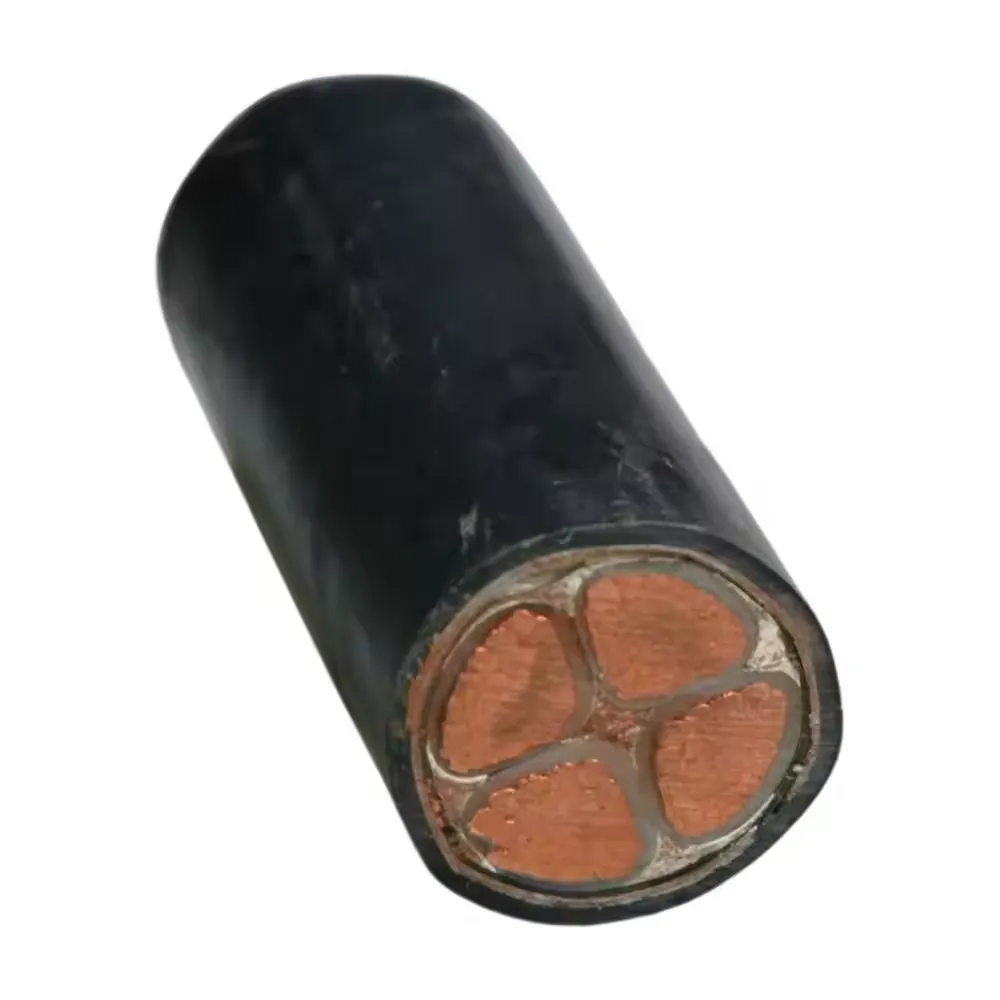
| Trend | Key Innovations | Impact on Electric Cables | Expected Timeline |
|---|---|---|---|
| Sustainability | Bio-based, recyclable materials | Lower emissions, circular economy | 2025–2030 |
| Smart Integration | Sensors, AI monitoring | Predictive maintenance | Immediate–2027 |
| High-Speed Networking | Hybrid fiber-copper | Ultra-low latency | 2025+ |
| Renewables & EVs | UV-resistant, high-ampacity | Efficient energy transfer | Ongoing |
| AI Manufacturing | Robotics, analytics | Custom, defect-free | 2025–2028 |
| High-Voltage Modular | Superconductors, plug-and-play | Lossless, scalable | 2026–2030 |
The future of electric cable technology is bright, with trends focusing on intelligence, sustainability, and efficiency to support a greener, more connected world. Staying ahead of these developments ensures industries and consumers benefit from safer, more reliable energy solutions.
For cutting-edge electric cables aligned with these trends, Henan Province Jianyun Cable Co., Ltd. offers innovative, high-quality products designed for tomorrow's challenges.
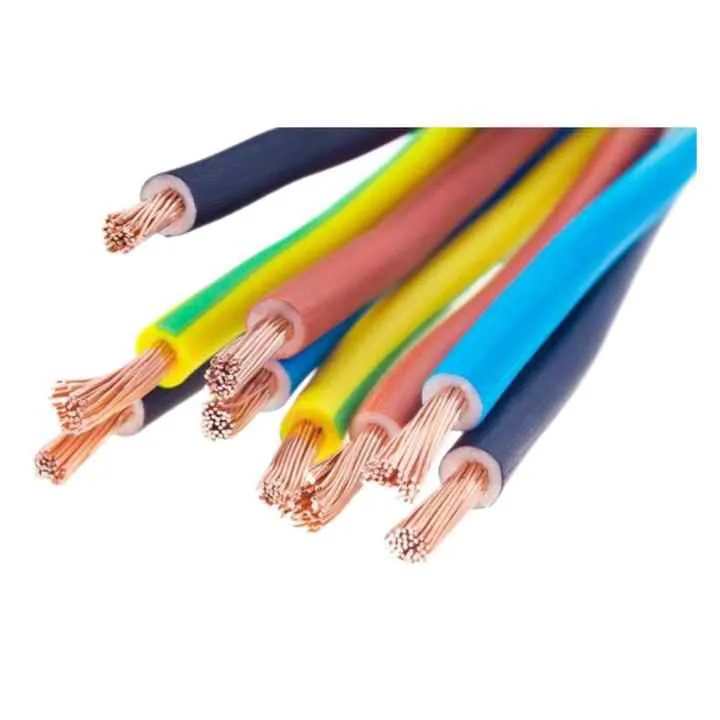
Flexible copper electrical wire with stranded copper conductor, PVC insulation a
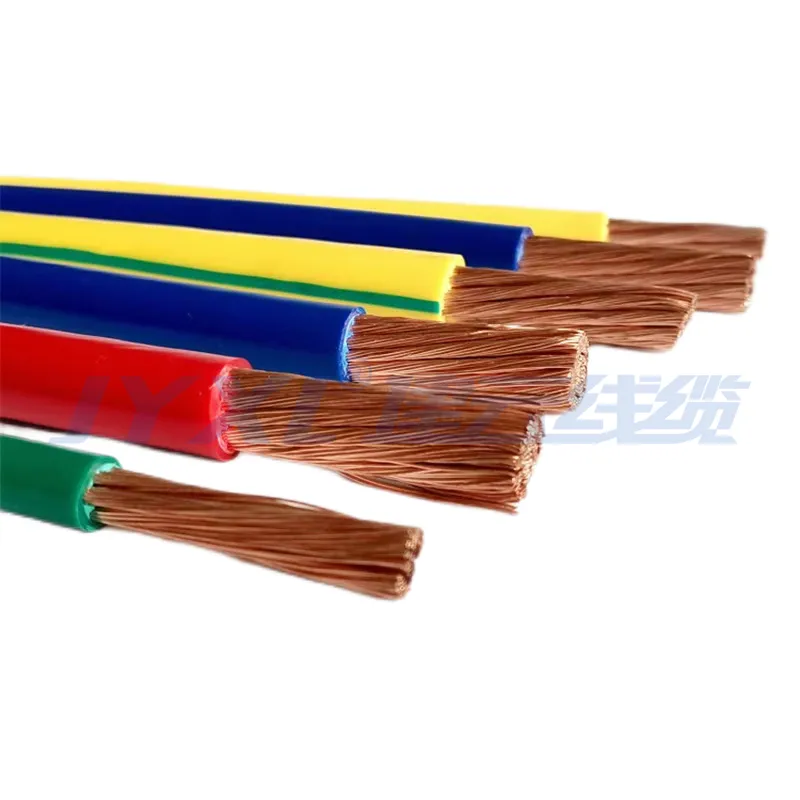
H07V-K flexible electrical wire with 1.5mm² and 2.5mm² stranded copper conductor
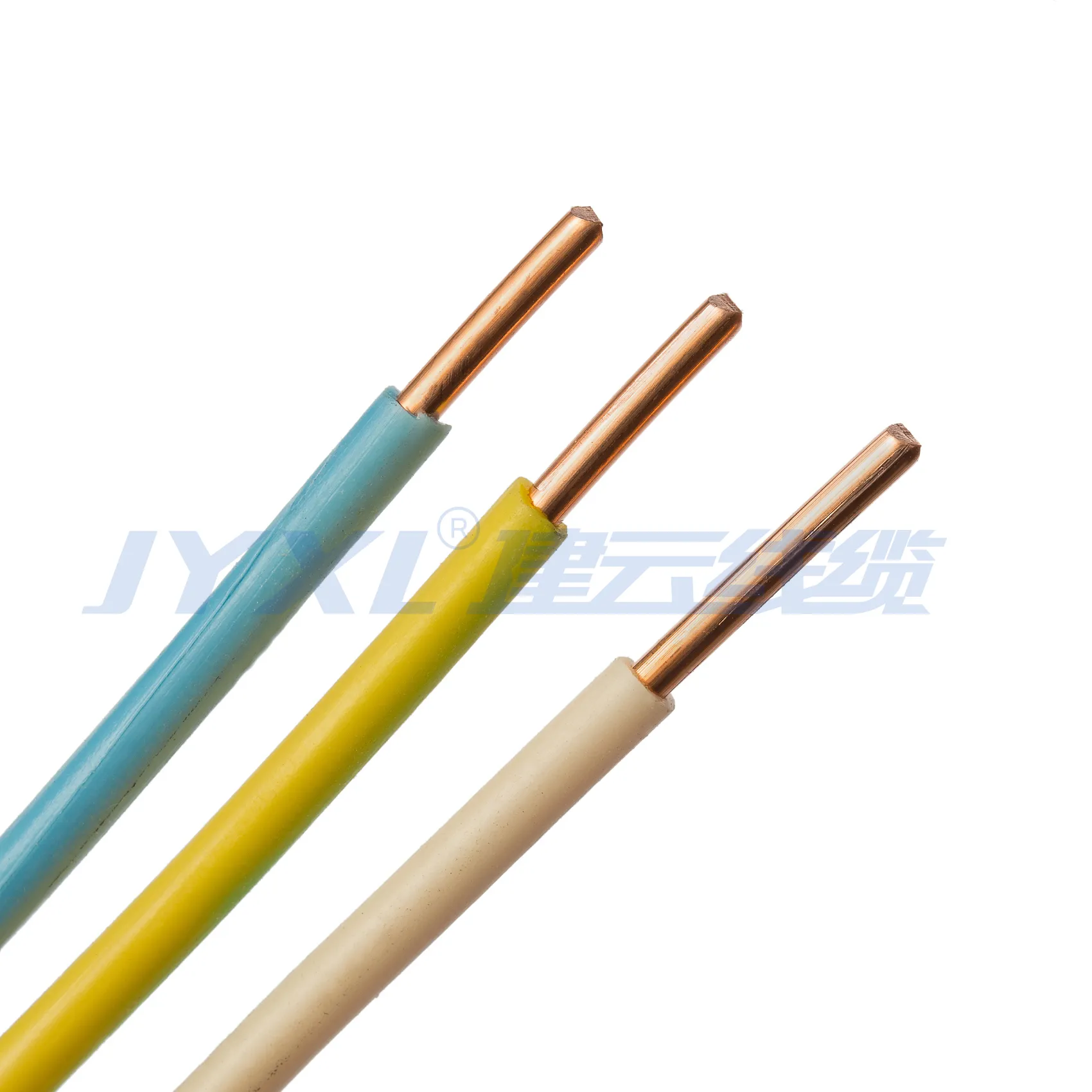
Jianyun H07V-U Solid Copper PVC Wire is a single core rigid electrical wire manu
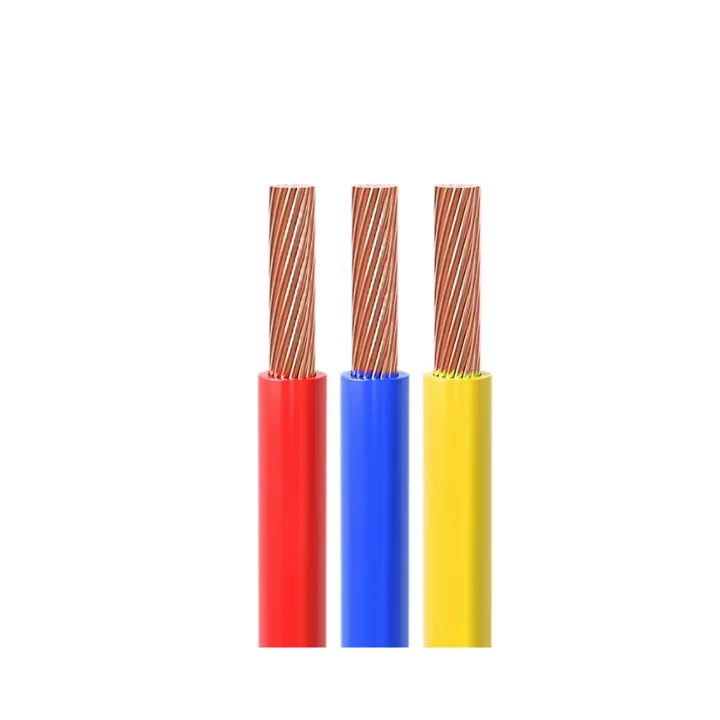
CE Certification 450/750v H07VVF Flexible Copper PVC Insulated Ac Cable 3*2.5 Mm