Keep up to date with our latest company news and relevant industry knowledge.
Time: 2026-03-05 12:55:56 Source: Henan Province Jianyun Cable Co., Ltd.
Large-scale transmission projects — whether connecting remote renewable energy zones, upgrading aging infrastructure, or building cross-border interconnectors — demand overhead conductors that balance mechanical strength, electrical efficiency, cost, and long-term reliability. Two of the most widely deployed aluminum-based solutions worldwide are ACSR (Aluminum Conductor Steel Reinforced) and AAC (All Aluminum Conductor). This guide explains their technical characteristics, applications, performance metrics, and selection criteria for high-voltage transmission projects in 2025.
Aluminum conductors dominate overhead transmission lines globally due to their favorable conductivity-to-weight ratio and corrosion resistance. ACSR remains the most common choice for extra-high-voltage (EHV) and long-span lines thanks to its steel core, while AAC excels in shorter spans, urban/suburban corridors, and corrosive coastal environments where steel reinforcement is unnecessary or undesirable.
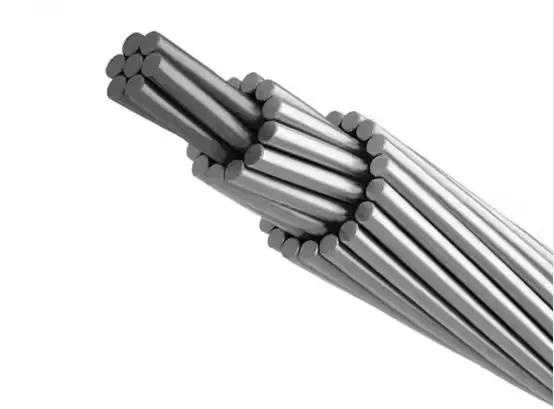
ACSR consists of concentric layers of hard-drawn aluminum wires stranded around a galvanized steel core. The aluminum provides excellent conductivity; the steel core delivers high tensile strength and low sag under heavy ice/wind loads. Popular configurations include Drake (26/7), Zebra (54/7), and Moose (54/19).
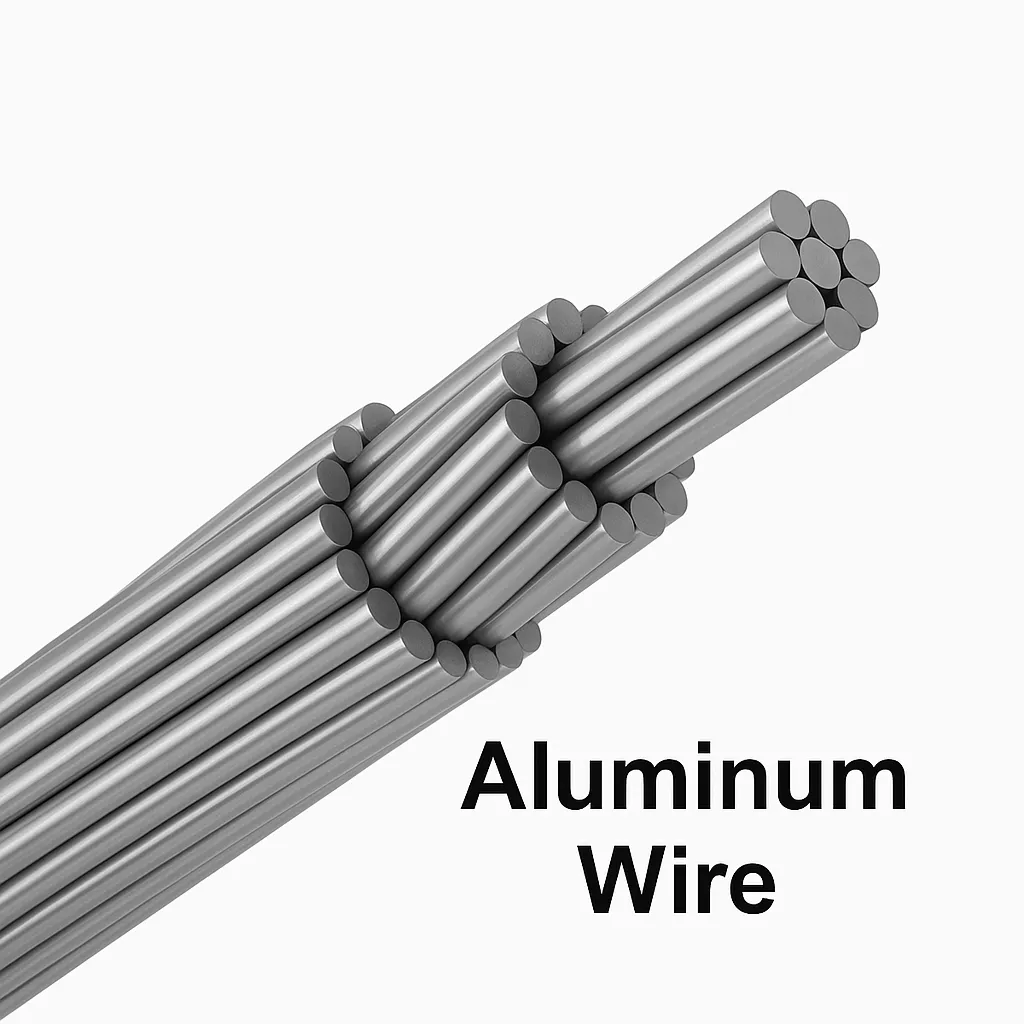
AAC is composed entirely of EC-grade (1350) aluminum wires in concentric stranding. With no steel core, it offers maximum conductivity per unit weight but lower tensile strength, making it suitable for spans up to ~300–400 m and lower mechanical loading conditions. Common codes include Iris, Poppy, and Orchid (smaller sizes) up to Arbutus and Bluebell (larger sizes).
| Parameter | ACSR | AAC |
|---|---|---|
| Tensile Strength | High (steel core: 40–70% of total strength) | Moderate (aluminum only: 20–30% lower than ACSR) |
| Sag under Load | Lower sag due to steel core | Higher sag – requires shorter spans or taller towers |
| Weight per km (same ampacity) | Heavier (~15–25% more) | Lighter – reduces tower loading |
| Corrosion Resistance | Good (galvanized steel protected by grease) | Excellent (no dissimilar metals) |
| Typical Span Length | 400–1200 m | 150–450 m |
| Cost (material only) | Moderate | Lower (no steel) |
| Best Suited For | Long spans, high wind/ice zones, EHV lines | Urban, coastal, shorter spans, lower mechanical loads |
ACSR typically exhibits 20–40% lower sag than equivalent AAC under the same conditions due to the steel core's lower thermal expansion coefficient. Ampacity is similar for equal aluminum cross-sections, but ACSR allows higher operating temperatures in some designs. Both offer excellent corrosion resistance; AAC has an edge in severely corrosive (marine) environments. Ice/wind loading calculations per IEC 60826 or NESC/ASCE standards favor ACSR for extreme conditions.
For large-scale transmission projects, ACSR remains the go-to solution for long spans and demanding mechanical conditions, while AAC provides a lightweight, cost-effective alternative for shorter spans and corrosion-prone areas. Both deliver proven performance when manufactured to international standards. Selecting the right conductor optimizes tower design, reduces lifecycle costs, and ensures grid reliability for decades.
Jianyun Cable manufactures ACSR, AAC, AAAC, and other overhead conductors to exacting IEC, ASTM, and regional standards. Contact our team for technical datasheets, sag-tension tables, or project-specific recommendations.
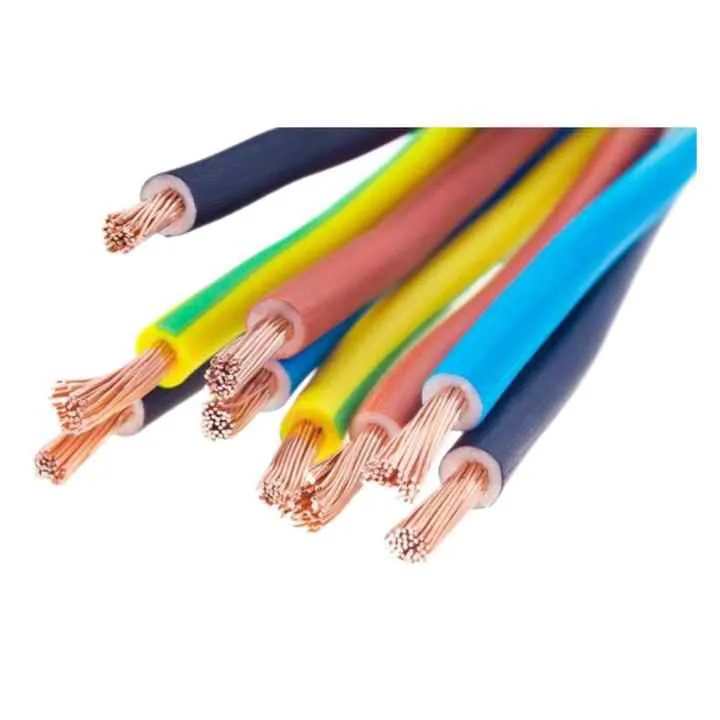
Flexible copper electrical wire with stranded copper conductor, PVC insulation a
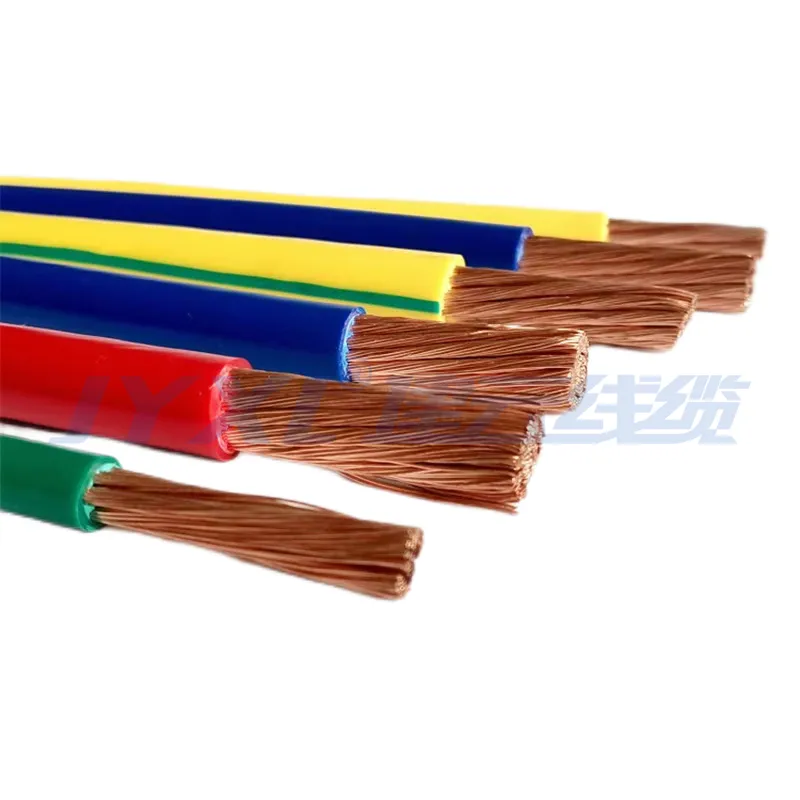
H07V-K flexible electrical wire with 1.5mm² and 2.5mm² stranded copper conductor
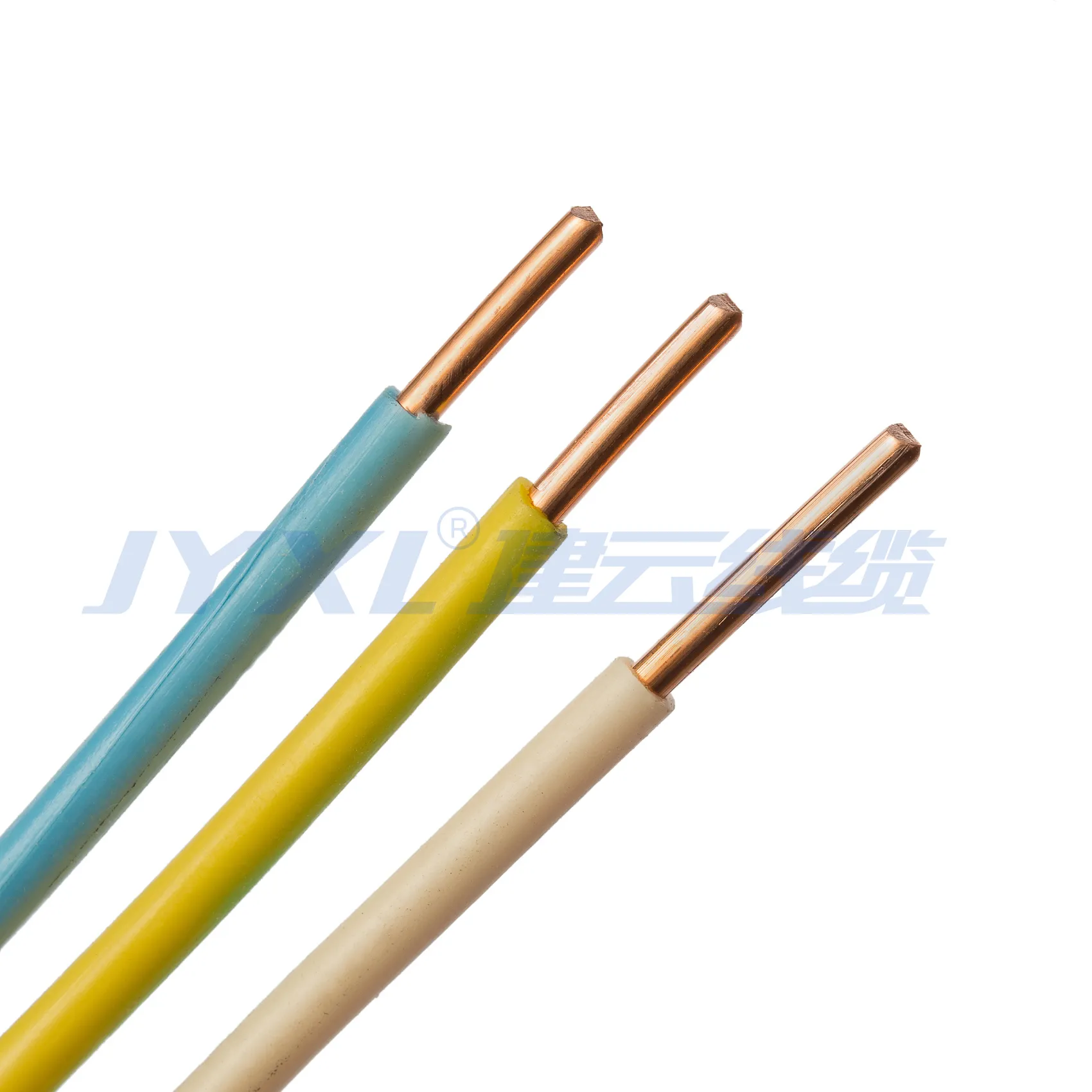
Jianyun H07V-U Solid Copper PVC Wire is a single core rigid electrical wire manu
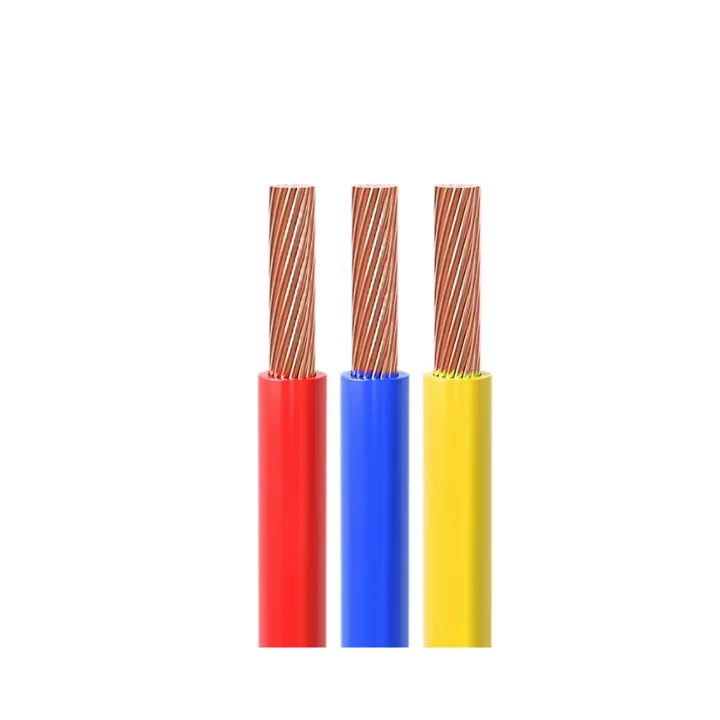
CE Certification 450/750v H07VVF Flexible Copper PVC Insulated Ac Cable 3*2.5 Mm