
Keep up to date with our latest company news and relevant industry knowledge.
Time: 2026-11-05 05:16:06 Source: Henan Province Jianyun Cable Co., Ltd.
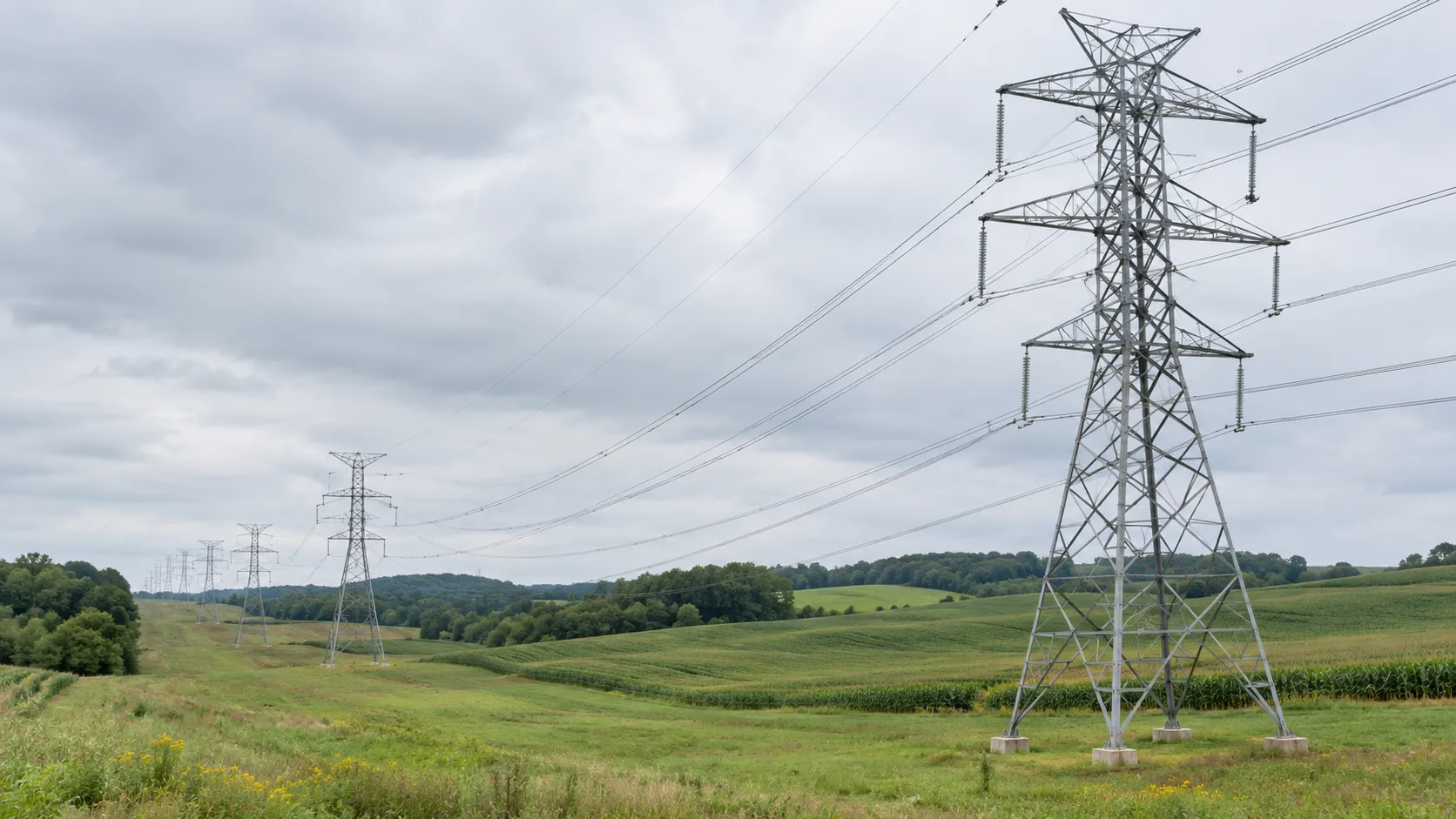
When an overhead line reaches its capacity limit, the first question is often: should we build a new line or upgrade the existing one?
For many utility and EPC projects, reconductoring can be a practical way to increase capacity without replacing every pole, tower, foundation, or section of right-of-way. But it is not an automatic solution. The existing line must still meet clearance, structural, mechanical, and operational requirements.
The best choice depends on the line condition, required capacity, route constraints, and long-term project objective.
Reconductoring means replacing an existing overhead conductor with a new conductor while keeping some or all of the existing line infrastructure.
Depending on the project, this may include:
Replacing old AAC, AAAC, or ACSR conductor
Upgrading to a larger or stronger conductor construction
Reusing existing poles, towers, and part of the hardware system
Improving line capacity while limiting right-of-way work
Reducing the time and disruption associated with a complete rebuild
For projects where the route is already established, reconductoring can be an efficient option. However, the replacement conductor must be selected based on the actual condition and capability of the existing line.
Building a new overhead line can involve land access, permitting, environmental review, new structures, foundation work, and extended construction time.
Reconductoring may reduce part of that workload by making better use of an existing corridor. It can be especially attractive when a utility needs to serve new industrial loads, renewable-energy projects, substations, or growing communities without creating an entirely new route.
Potential benefits include:
Faster capacity upgrades in established corridors
Less right-of-way and civil work
Reduced disruption compared with a full rebuild
Opportunity to replace aging conductor
Better use of existing poles or towers, where technically suitable
These benefits only apply when the existing structures and route can safely support the new line design.
The poles, towers, crossarms, insulators, foundations, and hardware must be assessed before a new conductor is selected.
A larger or heavier conductor may change vertical load, transverse load, tension, and hardware requirements. Even when the structure remains in service, some components may require reinforcement or replacement.
Do not assume that an existing structure can accept a new conductor simply because the nominal conductor size appears similar.
Ground clearance is one of the most important issues in any overhead-line upgrade.
Conductor sag changes with span length, temperature, tension, conductor weight, wind, ice, and route profile. A line that is acceptable with its existing conductor may not maintain the required clearance after an upgrade.
Before issuing an RFQ, provide available span data, clearance requirements, operating temperature, and design loading information.
Define the project objective clearly.
Is the goal to replace an aging conductor with an equivalent design? Increase current-carrying capacity by a moderate amount? Support a new industrial load? Improve reliability during peak demand?
The required ampacity should be evaluated together with conductor resistance, operating temperature, sag-tension performance, and line hardware compatibility.
A conductor should not be selected only because it has a larger cross-section or a lower price per kilometer.
The environment affects both conductor selection and long-term reliability.
Key conditions to review include:
Coastal or salt exposure
Humidity and industrial pollution
High wind or ice loading
Mountainous or uneven terrain
Long spans and road or river crossings
High ambient temperatures
Wildlife, vegetation, and maintenance access
For example, a project with higher mechanical loading may need a different conductor construction from a standard urban distribution route.
The conductor is only one part of the system.
Dead-end clamps, suspension clamps, splices, vibration dampers, insulators, and other fittings must be compatible with the new conductor diameter, construction, and load requirements.
Confirming hardware compatibility early can prevent delays during installation.
For many conventional overhead upgrades, standard bare conductors remain a practical and cost-effective option.
ACSR is commonly considered where tensile strength, longer spans, and mechanical loading are key concerns. Its steel-reinforced core helps support demanding line conditions.
AAAC may be a strong option when corrosion resistance and balanced mechanical performance are priorities, especially in humid, coastal, or industrial environments.
AAC can remain suitable for shorter spans and standard distribution applications where high mechanical strength is not the primary requirement.
The correct choice depends on the engineering design—not on the conductor name alone.
Explore Jianyun Cable’s Bare Conductor range for AAC, AAAC, and ACSR options for overhead transmission and distribution projects.
Reconductoring is not always the most economical or technically sound path.
A full rebuild may be necessary when:
Poles or towers have reached the end of their service life
Existing ground clearance is already limited
Foundations or crossarms cannot support the required loading
The project requires major route or voltage changes
Existing hardware is no longer suitable
The future capacity requirement exceeds what the existing corridor can support
In these cases, trying to preserve outdated infrastructure can create additional cost, risk, and project delays.
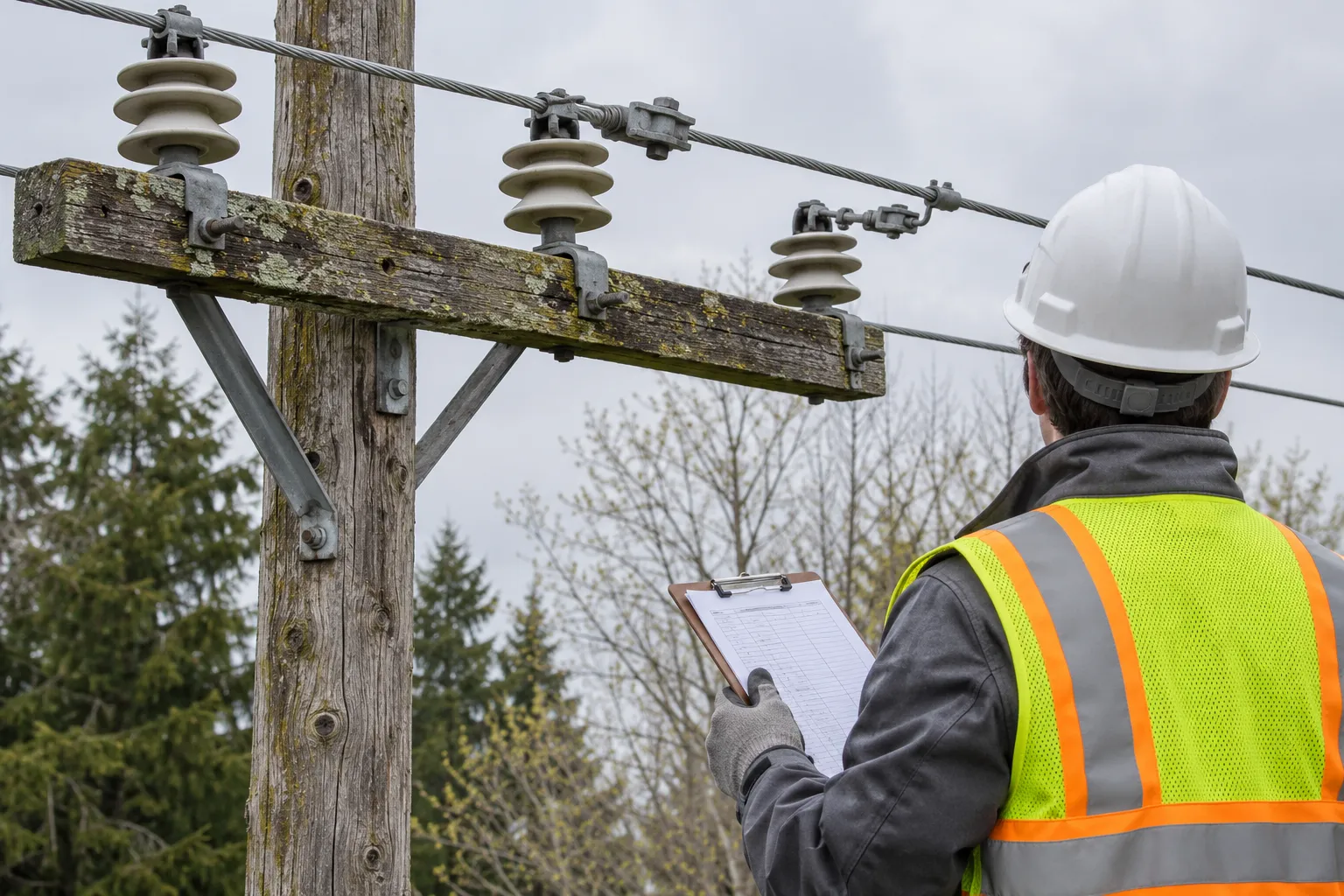
A complete RFQ helps suppliers provide technically relevant conductor options and accurate delivery information.
Include the following:
Existing conductor type, size, and construction
Required conductor type or acceptable alternatives
Applicable standard and test requirements
Maximum span length and available sag-tension data
Required ampacity and operating temperature
Wind, ice, corrosion, and climate conditions
Hardware and fitting compatibility requirements
Total quantity, required drum length, and destination
Delivery schedule and project installation date
Reconductoring can be an effective way to add capacity and extend the value of an existing overhead line. But it works only when the new conductor, structures, hardware, clearances, and route conditions are evaluated as one system.
Before selecting a conductor, define the required capacity, review the existing infrastructure, and provide complete project information to your supplier.
Need assistance with an overhead-line upgrade? Send your existing conductor data, span information, required standard, project environment, and quantity through Jianyun Cable’s inquiry page. Our team can help identify an appropriate AAC, AAAC, or ACSR conductor configuration for your project.

