Keep up to date with our latest company news and relevant industry knowledge.
Time: 2025-12-11 02:24:30 Source: Henan Province Jianyun Cable Co., Ltd.
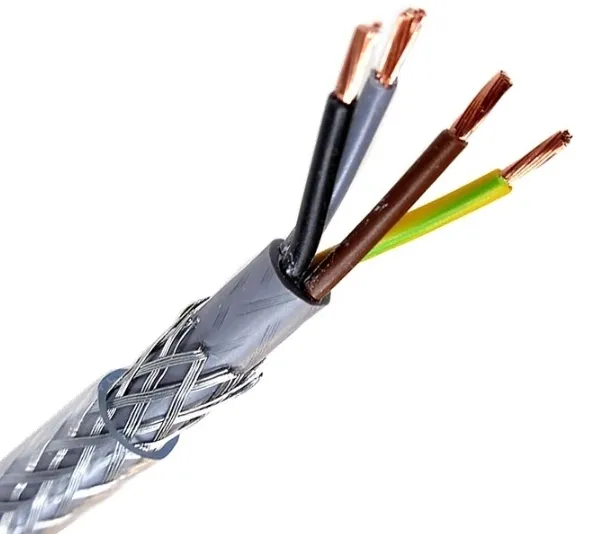
Electrical cables power the world, but their safe and efficient use hinges on international standards that ensure compatibility, safety, and performance. From low-voltage building wiring to high-voltage transmission lines, global bodies like the International Electrotechnical Commission (IEC), IEEE, and UL set rigorous benchmarks. As electrification accelerates in 2025—with EV infrastructure, renewables, and smart grids—understanding these standards is essential for manufacturers, engineers, and installers. This guide overviews key international electric cable standards, highlighting their scope, differences, and compliance tips for seamless global deployment.
International standards unify cable design, testing, and installation, reducing risks like fires, shocks, and failures while facilitating trade. The IEC leads globally, influencing over 97% of the world's population through consensus-based rules. Regional variants like IEEE (US-focused) and CENELEC (Europe) adapt these for local needs. Core aspects include conductor sizing (e.g., IEC 60228), insulation (IEC 60502), and fire performance (IEC 60332). Non-compliance can lead to recalls or hazards, making adherence critical in a $200B+ market.
The IEC, founded in 1906, publishes over 1,000 standards for electrical technologies, with 212 dedicated to cables under Technical Committee 20. These cover construction, performance, and safety for voltages from 1 kV to 30 kV, emphasizing extruded insulation like XLPE for durability. IEC standards are adopted nationwide (e.g., via BSI in the UK) and form the basis for EU and Asian regulations. In 2025, updates focus on sustainability, such as low-smoke zero-halogen (LSZH) materials for urban grids.
IEEE standards, from the Institute of Electrical and Electronics Engineers, target power systems and testing, like IEEE 1202 for flame testing in industrial trays. UL (Underwriters Laboratories) emphasizes safety certification, with UL 1581 detailing wire and cable performance, including fire retardancy. Unlike IEC's global consensus, IEEE/UL cater to US practices, such as medium-voltage overhead lines. They align partially with IEC but add specifics for North American grids, influencing exports via cULus marks.
CENELEC coordinates EN standards across 23 European countries, mirroring IEC but with EU tweaks for trade and safety. EN 50525 covers low-voltage wiring, while HD 620 specifies MV cables. These integrate IEC tests (e.g., EN 60332 for flames) with regional mandates like CPR (Construction Products Regulation) for fire reaction classes. In 2025, CENELEC emphasizes renewables, ensuring cables withstand harsh climates from Nordic winds to Mediterranean heat.
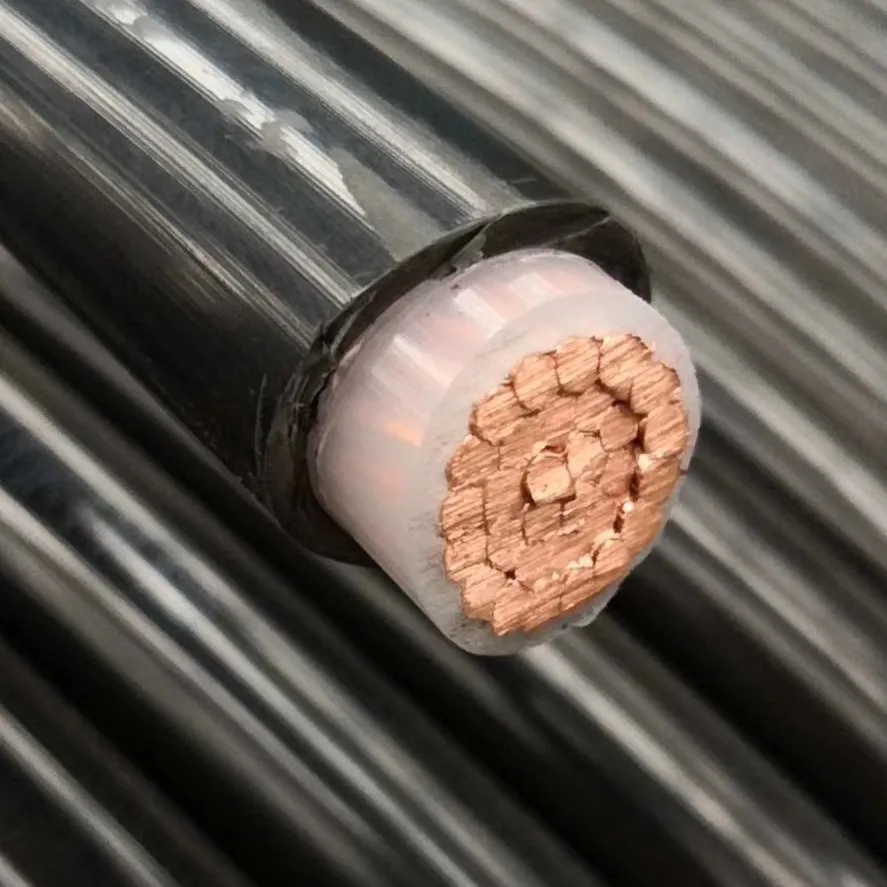
Standards vary by voltage and application. Below is a summary of prominent ones:
| Standard | Organization | Voltage Range | Key Focus |
|---|---|---|---|
| IEC 60502-1 | IEC | 1-3 kV | Extruded insulation for fixed installations |
| IEC 60502-2 | IEC | 6-30 kV | MV power cables, XLPE construction |
| IEC 60332 | IEC | All | Flame retardancy tests |
| UL 1581 | UL | Low to MV | Safety, fire performance for wires/cords |
| IEEE 1202 | IEEE | MV | Flame testing in trays |
| EN 50525 | CENELEC | Low (<1 kV) | Flexible cords and building wires |
| IEC 60092 | IEC | Shipboard | Marine electrical installations |
While harmonized, standards diverge in scope and philosophy. IEC is consensus-driven and global; IEEE/UL are regional and application-specific. Key contrasts:
| Aspect | IEC (Global) | IEEE/UL (North America) | CENELEC/EN (Europe) |
|---|---|---|---|
| Scope | Broad, all voltages; consensus-based | MV focus; industry-specific testing | IEC-aligned with EU trade mandates |
| Fire Testing | IEC 60332: Vertical/bundled flame | IEEE 1202/UL 1581: Tray combustion | EN 60332 + CPR classes |
| Voltage Emphasis | Underground HV/EHV | Overhead MV distribution | Low-voltage harmonization |
| Certification | IEC marks, national adoption | UL listing, cULus for cross-border | CE marking, EN compliance |
| Sustainability | LSZH, recyclability updates 2025 | Fire safety priority | RoHS, low-halogen mandates |
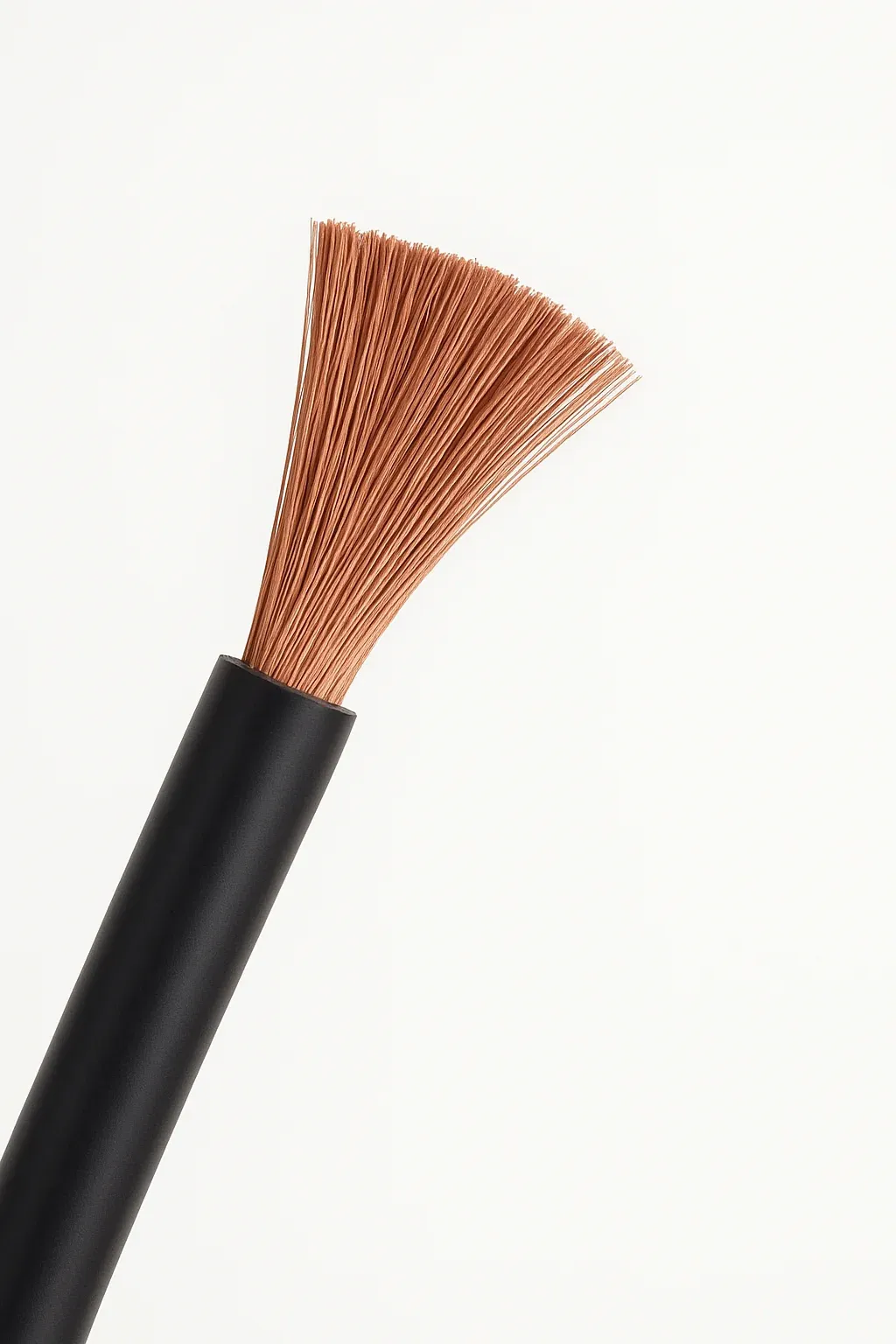
International electric cable standards like IEC 60502, IEEE 1202, and EN 50525 form a unified yet adaptable framework for safe power delivery. As 2025 brings greener grids, bridging these standards ensures innovation without compromise. For global projects, start with IEC as the foundation—it's the thread connecting continents.
Need cables meeting international standards? Contact Henan Province Jianyun Cable Co., Ltd. for compliant solutions and expert consultation.

